A roof curb is the raised frame that supports rooftop HVAC equipment and creates a weather-resistant transition between the unit and the roofing system. When commercial HVAC equipment is replaced, the curb must be evaluated carefully because small differences in size, height, weight, or alignment can lead to water intrusion, membrane damage, and premature roof deterioration.
For commercial property owners in Phoenix, AZ, this coordination is especially important. Rooftop equipment is exposed to intense sunlight, high temperatures, dust, wind, and seasonal storms. A replacement unit may operate properly while still creating roofing problems if the curb and surrounding membrane are not adapted correctly.
What Does a Commercial Roof Curb Do?
A commercial roof curb provides a stable base for rooftop mechanical equipment. It raises the HVAC unit above the roof surface, distributes its weight, and creates a defined area where flashing and waterproofing materials can be installed.
The curb also protects roof openings. Ductwork, wiring, and other components often pass through the roof beneath the unit. Without a properly sized and sealed curb, these penetrations can become direct pathways for moisture.
Roof curbs may also include insulation to reduce condensation. Their dimensions, slope, height, and attachment method must match the roof assembly and the equipment being installed.
Why Can HVAC Replacement Create Roofing Problems?
Commercial HVAC units do not always have identical footprints. A new unit may be wider, narrower, heavier, or positioned differently from the one being removed. When the existing curb does not match, installers may use an adapter curb to create a secure transition.
Problems arise when the adapter is poorly fitted or the original curb has corrosion, weak fasteners, damaged insulation, or deteriorated flashing. Gaps and poorly sealed seams may allow moisture beneath the roofing membrane.
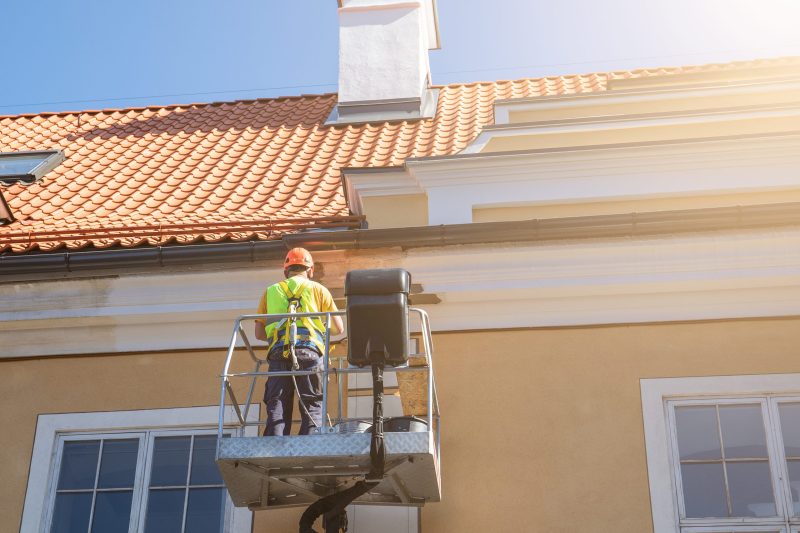
Service traffic can also damage the surrounding roof. Tools, equipment carts, removed panels, and repeated foot traffic may puncture or compress roofing materials. Commercial roof repair may then be required even when the project originally involved only mechanical equipment.
How Should the Existing Curb Be Evaluated?
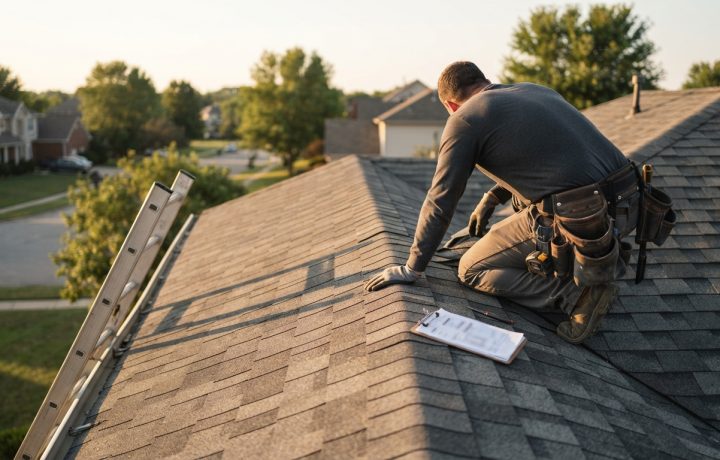
Before the old HVAC unit is removed, the curb should be inspected for condition, dimensions, elevation, drainage, and compatibility with the proposed equipment. The surrounding membrane should also be checked for open seams, soft areas, trapped moisture, and previous patching.
A licensed roofing contractor can assess whether the curb should remain, be modified, or be replaced. They can also determine whether the roof opening needs resizing or additional support for the new unit.
This review should occur before installation day. Early coordination gives the roofing and HVAC teams time to resolve conflicts, order the correct materials, and define responsibility for each part of the work.
Why Are Curb Height and Drainage Important in Phoenix?
A curb must be high enough to keep the HVAC unit above the roof surface and away from flowing or ponding water. If an adapter reduces the effective curb height, water may reach flashing joints or enter openings around the equipment.
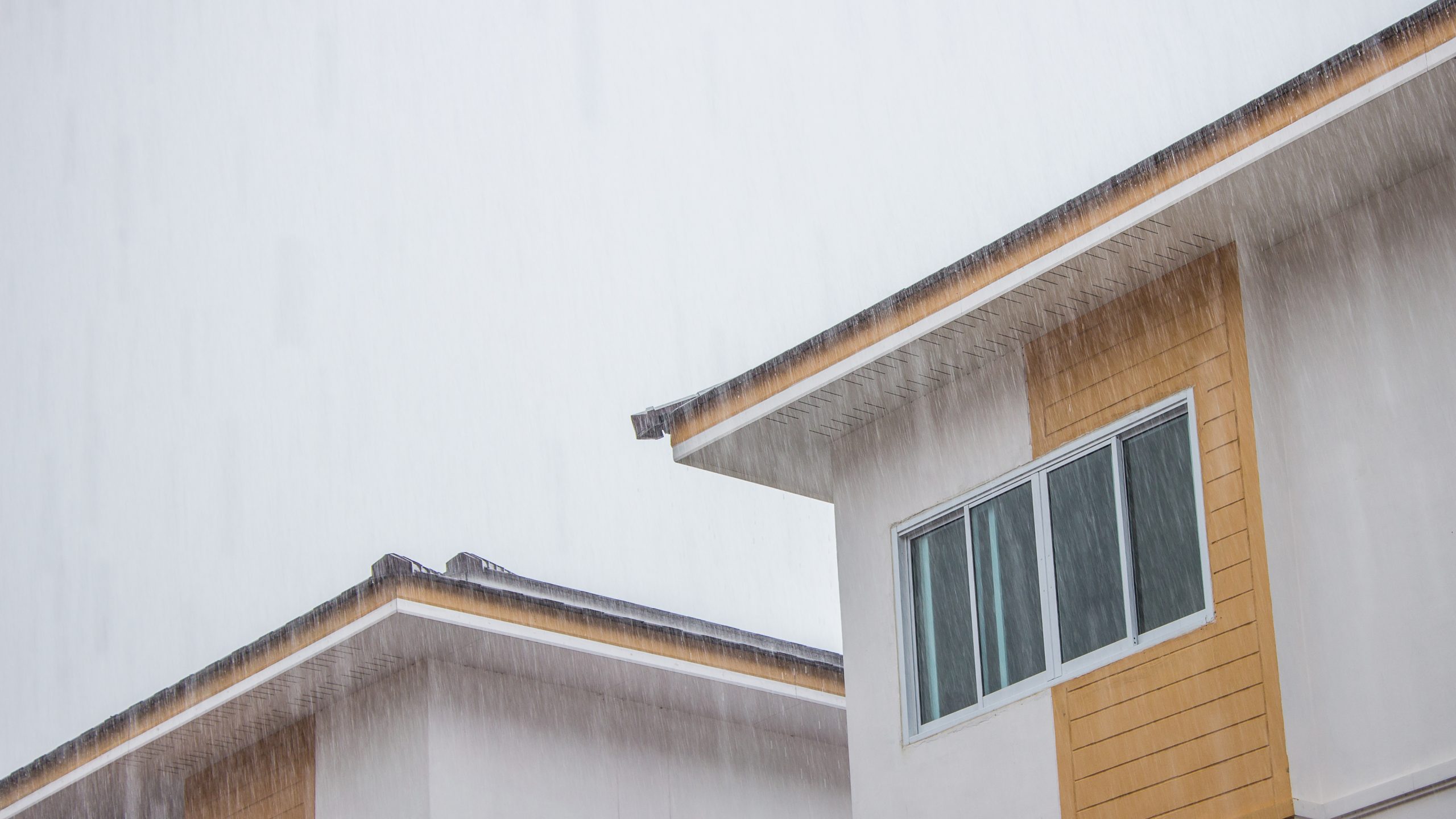
Phoenix roofs must also handle sudden rainfall during monsoon season. Dust and debris can obstruct drainage paths, allowing water to collect near rooftop units. A curb placed too close to drains, scuppers, or low areas may interfere with water movement.
The roofing team should confirm that the new equipment does not create unintended low points. Localized corrections may be needed to guide water away from the curb.
When Is a New Curb Better Than an Adapter?
Adapter curbs can work when the existing curb is sound and the new unit has a different footprint. However, an adapter may not be suitable when the original curb is corroded, undersized, poorly attached, too low, or incompatible with the current roofing system.
Installing a new curb may require opening and restoring a larger roof area, but it can provide a cleaner long-term solution. This approach may also make sense when the property is already planning a new roof installation. Coordinating both projects allows the curb, insulation, flashing, and membrane to be integrated as one system.
The correct option depends on equipment specifications, roof type, curb condition, drainage, and expected service life. Field measurements should guide the decision.
How Can Property Owners Coordinate the Work?
Property owners should ensure that the HVAC provider and roofing professional communicate before equipment is ordered or lifted onto the roof. Both teams should receive the unit specifications, curb drawings, roof details, access plan, and project schedule.
The roofing professional should document conditions before and after the replacement. After installation, the area should be checked for punctures, blocked drainage, exposed fasteners, loose materials, and incomplete seals.
A follow-up inspection after the first substantial rainfall may also help identify issues that were not visible during dry conditions.
Protect Your Roof Before the Next HVAC Upgrade
Protecting a commercial roof starts with coordinating every rooftop equipment change. Before scheduling HVAC replacement, arrange a professional curb and membrane evaluation to identify sizing, flashing, drainage, and load concerns. Connect with trusted roof repair services to plan corrective work, reduce leak risks, and support dependable performance from both the roofing system and the new mechanical equipment for many years.