Choosing the right paving material is an important decision for commercial property owners. Parking lots experience constant vehicle traffic, weather exposure, and daily operational demands, making durability and long-term performance major considerations. Two of the most commonly used materials for commercial parking lots are asphalt and concrete.
Both options offer advantages depending on the property type, traffic volume, maintenance expectations, and environmental conditions. For businesses in Phoenix, climate also plays a significant role in determining which paving material may perform better over time.
Understanding the differences between commercial asphalt and concrete surfaces can help property owners make informed decisions for long-term accessibility, maintenance, and operational efficiency.
Understanding Commercial Asphalt Paving
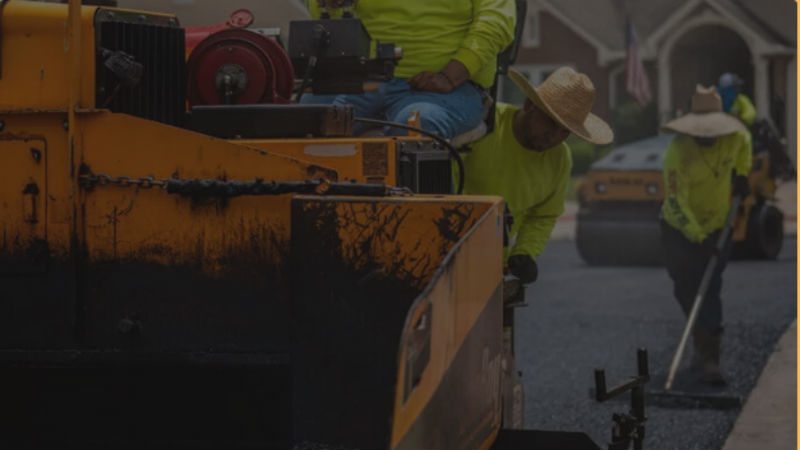
Commercial asphalt paving uses a mixture of aggregates and liquid asphalt binder to create smooth driving surfaces. Asphalt is commonly used for parking lots, roadways, loading zones, and industrial properties because of its flexibility and relatively quick installation process.
Commercial paving services often recommend asphalt for properties that require durable surfaces capable of handling frequent traffic. Asphalt’s flexibility allows it to expand and contract more easily than rigid paving materials, helping reduce certain types of cracking under changing temperatures.
In Phoenix, asphalt is widely used throughout commercial developments because it provides reliable performance under high traffic conditions while remaining easier to repair and maintain compared to some alternatives.
Understanding Concrete Parking Lots
Concrete parking lots are constructed using cement-based slabs reinforced to support vehicle loads. Concrete is known for its rigid structure and lighter surface appearance.
Many commercial properties choose concrete for applications where long-term structural strength is a primary concern. Concrete surfaces are commonly used in heavy industrial environments, distribution centers, and areas exposed to large commercial vehicles regularly.
While concrete can offer long service life, it also behaves differently under heat and traffic conditions compared to asphalt surfaces. Understanding these differences is important when planning commercial paving projects in Arizona’s climate.
Durability Differences Between Asphalt and Concrete
Both asphalt and concrete can provide long-lasting parking lot surfaces when properly installed and maintained. However, they respond differently to wear, weather, and traffic stress.
Commercial asphalt surfaces are generally more flexible, which allows them to absorb some movement caused by traffic loads and temperature fluctuations. This flexibility helps reduce sudden cracking in certain conditions.
Concrete, by comparison, is more rigid. While strong, rigid surfaces can sometimes develop larger cracks if shifting or expansion occurs beneath the slab.
In Phoenix, extreme heat and UV exposure affect both materials differently. Asphalt may soften slightly during very high temperatures, while concrete surfaces can experience expansion and contraction stress over time.
The long-term durability of either surface depends heavily on factors such as:
- Proper site preparation
- Drainage design
- Traffic volume
- Soil stability
- Maintenance frequency
- Installation quality
Commercial paving services often evaluate these conditions before recommending a paving solution for a specific property.
Maintenance Requirements for Commercial Parking Lots
Maintenance plays a major role in preserving the lifespan of any parking lot. Asphalt and concrete each require different types of ongoing care.
Commercial asphalt surfaces typically benefit from routine maintenance services such as:
- Crack sealing
- Sealcoating
- Asphalt patching
- Parking lot striping
- Surface resurfacing
These services help protect the pavement from moisture intrusion, oxidation, and traffic wear. Asphalt repairs are often easier to complete in sections without replacing the entire surface.
Concrete parking lots may require joint sealing, slab repairs, or replacement of cracked sections over time. Repairs can sometimes be more noticeable due to color variation between old and new concrete sections.
Businesses often choose asphalt because maintenance procedures are generally more straightforward and less disruptive for active commercial properties.
Installation Timelines and Business Operations
Installation time is another factor commercial property owners often consider. Asphalt paving projects are typically completed faster than concrete installations because asphalt cools and cures more quickly.
For businesses that rely on continuous customer access, shorter installation timelines can help minimize operational disruptions. Parking lots can often reopen sooner after asphalt paving compared to concrete projects that require extended curing periods.
Commercial properties such as retail centers, restaurants, and office parks may prioritize faster turnaround times to maintain accessibility for customers and employees.
Commercial asphalt paving is frequently selected for projects where scheduling flexibility and reduced downtime are important considerations.
Appearance and Surface Performance
Both asphalt and concrete create functional parking lot surfaces, but they offer different visual characteristics.
Asphalt surfaces provide a dark, smooth appearance that creates strong contrast for painted striping and directional markings. Many property owners appreciate the clean appearance of newly paved asphalt parking lots.
Concrete surfaces are lighter in color and may reflect more sunlight. Some businesses prefer this appearance for specific architectural or aesthetic reasons.
Surface texture also affects vehicle traction and pedestrian safety. Properly maintained asphalt provides smooth driving conditions while reducing loose debris and uneven surfaces.
Businesses focused on maintaining safe and accessible commercial properties often evaluate how each material performs under daily traffic conditions.
Climate Considerations in Phoenix
Phoenix’s desert climate creates unique challenges for parking lot surfaces. Intense heat, UV exposure, and occasional monsoon storms all contribute to pavement wear over time.
Commercial asphalt can become vulnerable to oxidation and surface drying if not properly maintained. However, routine sealcoating and maintenance help protect the pavement from accelerated deterioration.
Concrete surfaces may experience expansion stress during temperature fluctuations and can sometimes develop joint-related cracking over time.
Drainage design is especially important for both materials during Arizona’s monsoon season. Proper grading helps prevent standing water, erosion, and surface damage regardless of the paving material used.
Property owners often work with a trusted professional asphalt service provider in Phoenix, AZ to evaluate which paving option aligns best with their property’s traffic demands and long-term operational goals.
Choosing the Right Commercial Paving Solution
There is no single paving material that works best for every commercial property. Asphalt and concrete each offer benefits depending on the property type, budget planning, maintenance expectations, and traffic requirements.
Commercial asphalt paving remains a popular option for many Phoenix businesses because of its flexibility, repairability, and efficient installation process. Concrete may be preferred in applications requiring extremely rigid load-bearing surfaces.
By understanding the strengths and maintenance needs of each material, commercial property owners can make more informed paving decisions that support accessibility, durability, and long-term property performance.