Diabetic neuropathy can reduce feeling in the feet, making it harder to notice pressure, rubbing, blisters, or injuries caused by poorly fitting shoes. For patients seeking neuropathy treatment Phoenix providers offer, proper shoe fit plays an important role in reducing irritation, protecting the skin, and lowering the risk of foot complications.
Footwear is not just a comfort issue for people with diabetic neuropathy. When sensation is reduced, shoes that are too tight, too narrow, worn out, or poorly supportive may create pressure points that go unnoticed until skin damage occurs. For Phoenix residents who walk frequently, stand for work, or stay active outdoors, this risk can become even more important.
Why Does Diabetic Neuropathy Affect Shoe Safety?
Diabetic neuropathy occurs when elevated blood sugar levels damage nerves over time. The feet are commonly affected because the nerves that travel to the toes and soles are long and vulnerable to injury. Symptoms may include burning, tingling, numbness, shooting pain, or loss of protective sensation.
Protective sensation is the body’s ability to feel pain, pressure, heat, and injury. When this sensation is reduced, a patient may not realize a shoe is rubbing against the skin or pressing against a toe. A small blister or callus can become more serious if it is not noticed early.
This is why shoe fit matters. Shoes should not only feel comfortable at the time of purchase. They should also provide enough depth, width, cushioning, and stability to reduce pressure during daily movement.
How Can Poor Shoe Fit Lead to Foot Problems?
Poorly fitting shoes can create friction and concentrated pressure. In a person with normal sensation, discomfort usually signals that something needs to be adjusted. For someone with neuropathy, that warning sign may be missing.
Common shoe-related problems may include:
- Blisters from rubbing
- Corns and calluses from pressure
- Toe irritation from narrow toe boxes
- Heel friction from loose shoes
- Wounds under the ball of the foot
- Ingrown nail irritation
- Skin breakdown near bunions or hammertoes
In Phoenix, heat can also make footwear issues worse. Warm weather may contribute to swelling, perspiration, and skin irritation. Shoes that fit comfortably in the morning may feel tighter later in the day, especially after walking or standing for long periods.
What Should Patients Look for in Orthopedic Shoes?
Patients searching for orthopedic shoes Phoenix options should focus on support, protection, and fit. Orthopedic shoes are designed to accommodate foot structure, reduce pressure, and provide improved stability compared with many standard shoes.
Helpful shoe features may include a wide toe box, extra depth, cushioned interiors, firm heel support, adjustable closures, and removable insoles. Extra depth is especially useful when custom inserts or orthotics are needed. Seamless or low-friction interiors may also help reduce rubbing against sensitive skin.
Orthopedic shoes should not squeeze the toes or create pressure over bunions, hammertoes, calluses, or bony areas. A proper fit allows enough room for the toes to move without sliding excessively inside the shoe.
How Are Orthotic Shoes Different?
Orthotic shoes Phoenix patients may use are often designed to work with supportive inserts or custom orthotics. While orthopedic shoes focus on overall shoe structure and accommodation, orthotic-friendly shoes provide space and support for devices that help improve foot alignment or redistribute pressure.
For patients with diabetic neuropathy, orthotic shoes may be recommended when foot mechanics increase pressure in certain areas. If a person has flat feet, high arches, bunions, hammertoes, prior wounds, or abnormal gait patterns, orthotic support may help reduce repetitive strain.
The goal is not only comfort. The goal is prevention. Better pressure distribution may help protect areas that are vulnerable to skin breakdown.
Why Is a Foot Evaluation Important Before Choosing Shoes?
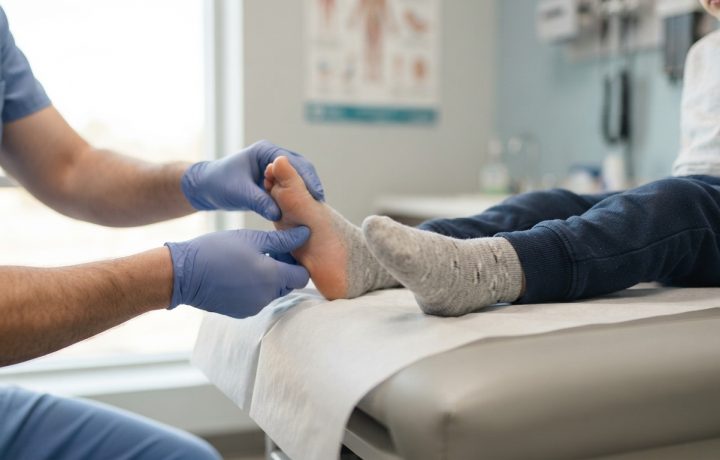
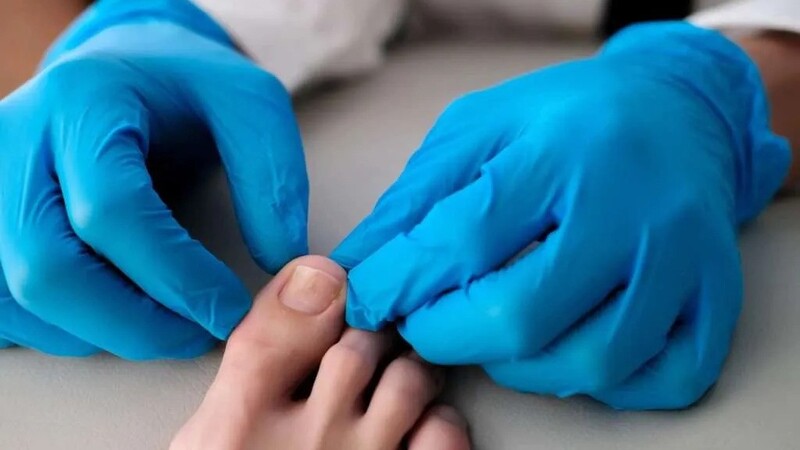
A professional foot evaluation can help identify risk areas that patients may not notice on their own. A podiatry provider may check sensation, circulation, skin condition, nail health, foot structure, pressure points, and walking patterns.
This matters because two patients with diabetic neuropathy may need very different footwear recommendations. One person may need extra depth shoes because of hammertoes. Another may need orthotic support due to arch collapse. Someone else may need pressure relief under the ball of the foot due to callus formation.
A comprehensive evaluation can also identify whether symptoms are related to diabetic neuropathy, poor circulation, nerve compression, or another condition. Patients can learn more about neuropathy evaluation and treatment in Phoenix through Valley Foot Care, Inc., where they assess nerve-related foot concerns and provide guidance on protective foot care.
How Often Should Shoes Be Checked?
Shoes wear down gradually, and many patients do not notice when support has changed. For people with neuropathy, worn-out shoes can increase instability and pressure.
Patients should inspect shoes regularly for uneven sole wear, compressed cushioning, torn interiors, rough seams, and loss of heel support. The inside of the shoe should also be checked before wearing it to make sure there are no small objects, folded liners, or rough areas that could injure the foot.
Feet should also be checked daily. Redness, swelling, blisters, drainage, cuts, or new calluses should be taken seriously, especially for patients with diabetes.
Can Better Shoe Fit Help With Neuropathy Symptoms?
Proper shoe fit may not reverse diabetic neuropathy, but it can reduce avoidable pressure and irritation. Supportive footwear may make walking more comfortable, improve stability, and help lower the risk of shoe-related skin problems.
Neuropathy treatment Phoenix patients pursue often includes more than one strategy. Care may involve blood sugar management, routine foot exams, nerve assessment, skin protection, pressure relief, and education about daily foot care.
Shoes are one part of this broader prevention plan. When chosen carefully, they can support safer movement and help patients stay active with less risk.
Step Into Safer Support for Neuropathy-Related Foot Concerns
Diabetic neuropathy and poor shoe fit can increase the risk of pressure wounds, irritation, and balance problems. Valley Foot Care, Inc. helps Phoenix-area patients understand nerve symptoms, footwear needs, and protective care options through comprehensive evaluations. Learn more about neuropathy evaluation and treatment in Phoenix and take a proactive step toward safer walking, better support, and long-term foot protection.