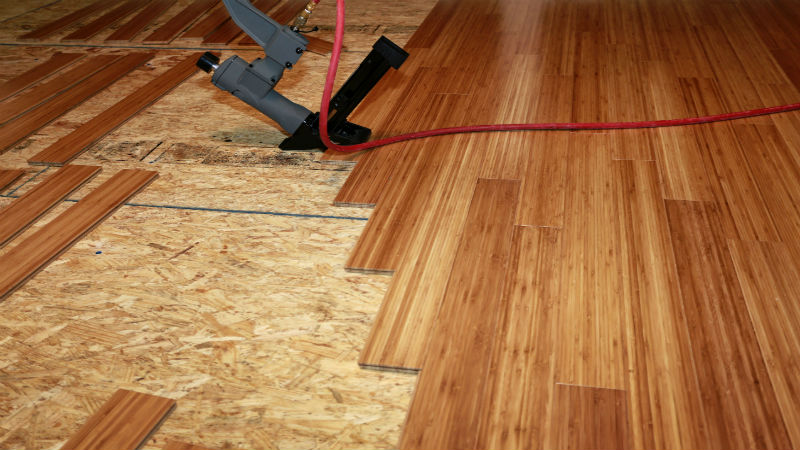
When homeowners search best flooring installation near me in Surprise, AZ, they’re usually trying to avoid the same frustrations: lifting edges, noisy spots, visible gaps, or surfaces that look worn far sooner than expected. While product selection matters, many long-term problems start during the install phase, often from rushed prep, skipped checks, or mismatched installation methods.
This explains how a flooring installation contractor helps reduce ongoing maintenance headaches through planning, preparation, and technical execution. The focus here is practical and educational, what to look for, what questions to ask, and why certain details matter over time.
What “Maintenance Issues” Actually Mean After Installation
Maintenance isn’t just about cleaning. In contractor terms, long-term issues usually fall into a few categories:
- Movement problems: edges lifting, seams separating, corners curling, or plank shifting
- Surface wear problems: premature scratching, dulling, or finish breakdown in traffic paths
- Moisture-related problems: swelling, staining, warping, or adhesive failure (especially near kitchens and entries)
- Sound and comfort issues: squeaks, hollow spots, or bounce underfoot
- Transition and edge failures: trims loosening, reducers cracking, or uneven changes between surfaces
A professional approach reduces the likelihood of these problems by controlling the conditions that cause them—before the first piece is laid.
Subsurface Prep Is the Biggest Factor Behind Long-Term Performance
One reason it’s hard to compare “best” results from online listings is that prep isn’t always visible in a finished photo. But it’s often the difference between a surface that stays stable for years and one that develops issues within months.
A flooring installation contractor typically focuses on:
- Flatness and leveling: Even small dips can create deflection, which leads to movement at seams and joints.
- Cleaning and adhesion readiness: Dust, residue, or old adhesive can reduce bonding strength.
- Crack and surface integrity checks: Minor cracks can expand or transmit movement into the finish material.
- Appropriate underlayment selection: Underlayment affects sound, feel, stability, and moisture behavior.
If you’re comparing best flooring installation near me providers, ask how they evaluate flatness and what they do when leveling is needed. A clear, specific answer usually indicates a structured process.
Moisture Management Prevents “Mystery” Failures
Moisture is one of the most common reasons installed surfaces fail early, especially on slab foundations or in areas with temperature swings that affect indoor humidity. Even in a desert climate, indoor moisture events happen: plumbing drips, wet shoes, appliance leaks, or seasonal humidity changes.
Professional installation methods often include:
- Moisture testing (when applicable): Helps determine whether a moisture barrier is needed and what installation method is appropriate.
- Acclimation practices: Some materials need time to adjust to the home environment before installation.
- Barrier and adhesive compatibility: Not all barriers and adhesives work together; mismatches can cause bonding or performance failures.
This matters even more for custom flooring installation, where continuous surfaces across multiple zones can amplify the impact of moisture movement.
Installation Method Must Match the Material and the Home
Different materials and construction types require different techniques. Problems often occur when a method is chosen because it’s faster, not because it’s correct.
A contractor’s decision-making typically considers:
- Room size and continuity: Large spans may require expansion planning and carefully placed transitions.
- Subsurface type: Slab vs. wood structure changes underlayment, fastening, and moisture approach.
- Traffic patterns: Entry paths, kitchens, and living areas need added planning for durability and wear distribution.
- Edge and perimeter strategy: Movement gaps are necessary, but they must be planned so baseboards and trims cover cleanly.
For homeowners pursuing custom flooring installation, the “custom” part often shows up here: tailored direction, planned seams, and edge detailing that fits the layout rather than forcing a one-size approach.
Transitions and Perimeters Are Where Issues Start First
Most long-term complaints show up at weak points, doorways, around islands, at perimeter edges, and along transitions. Those areas take repeated impact from walking, sweeping, vacuuming, and moving furniture.
A professional plan typically includes:
- Reinforced transitions: Using the correct profile and anchoring method for the surface type.
- Clean perimeter finishing: Trims installed to allow natural movement without creating pressure points.
- Consistent height planning: Reducing trip edges and minimizing uneven connections between adjacent surfaces.
If you’ve ever seen a doorway transition crack or come loose, it’s often a sign the transition was treated as an afterthought rather than part of the installation design.
Long-Term Cleaning Is Easier When Installation Is Done Right
Even the best care routine can’t fix movement or bonding issues. But when installation is executed properly, upkeep becomes simpler because:
- seams stay tight (less debris collects)
- edges stay flat (less snagging and wear)
- surfaces remain even (less scuffing on high spots)
- transitions stay secure (less replacement over time)
People who search best flooring installation near me are often really searching for fewer surprises later. Installation quality is what prevents those surprises.
What to Ask a Flooring Installation Contractor in Surprise, AZ
When speaking with a flooring installation contractor, ask questions that reveal how they plan for longevity:
- How do you check flatness and address leveling needs?
- Do you evaluate moisture conditions, and when is a barrier used?
- How do you plan expansion gaps for large continuous areas?
- What’s your approach to transitions at doorways and open layouts?
- How do you finish edges around islands, cabinetry, and stairs?
For an additional reference on durability-focused installation standards, review this resource on flooring installation contractor for lasting results.