Recap:
- Effective pest control depends on correctly identifying the pest, then matching treatment intensity and method to the infestation type.
- Common home infestations in the Chesapeake, VA region include rodents, termites, mosquitoes, ants, spiders, and fleas or ticks, each requiring a different approach.
- Prevention-based methods, paired with targeted treatment when thresholds are exceeded, tend to produce more lasting results than one-time spraying.
Choosing the right Pest Control Solutions in Chesapeake, VA starts with identifying the pest and assessing the infestation’s extent. Because different pests require different treatments, an approach that effectively eliminates ants may not address termite damage or a rodent problem. Matching the treatment to the pest, rather than applying a generic spray, is the single factor most likely to determine whether a problem returns within weeks.
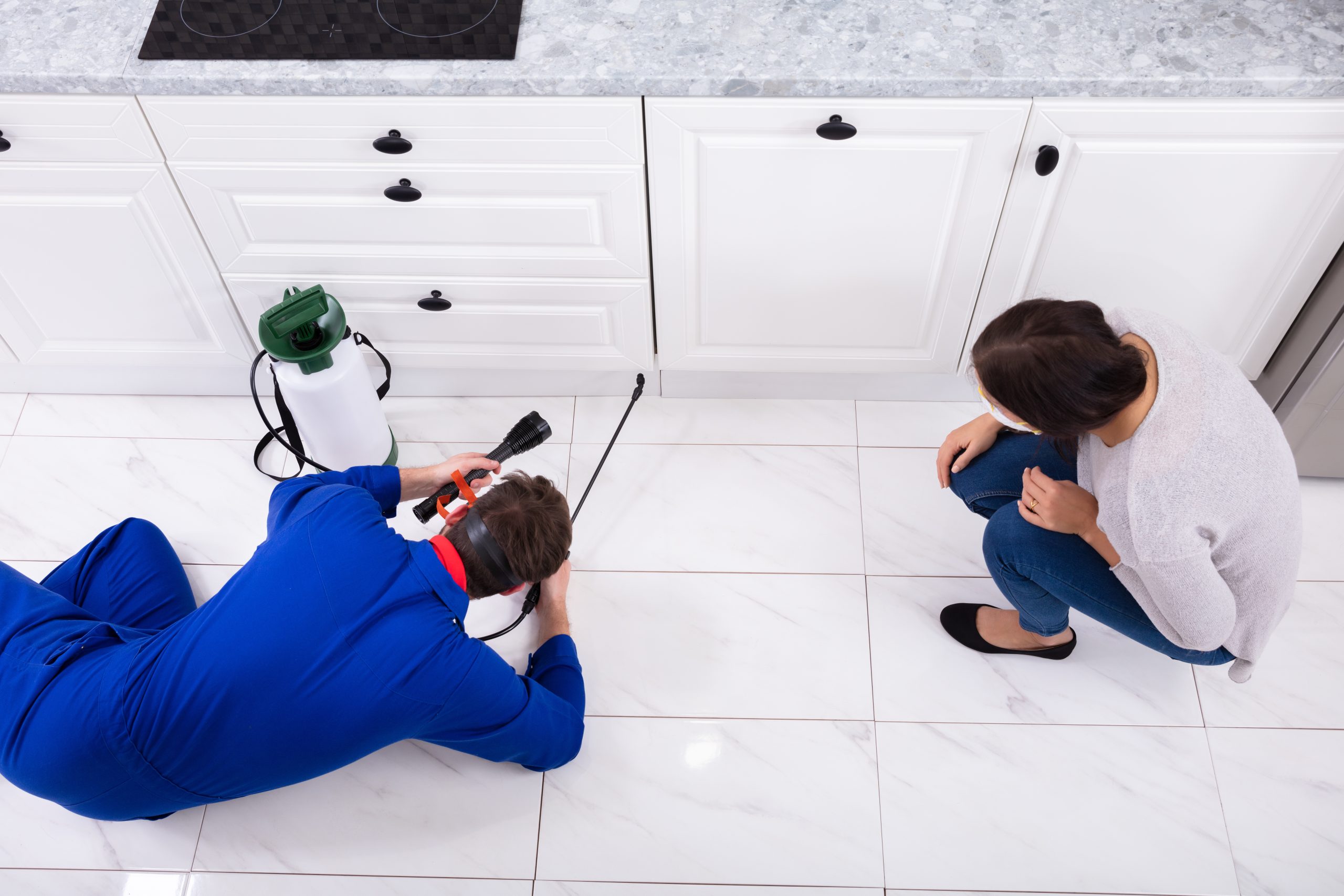
Homeowners searching for pest control solutions are usually trying to solve one of two problems: an active infestation that needs immediate attention, or recurring pest pressure that keeps coming back despite prior treatment. Both scenarios call for inspection first, then a method suited to the specific pest biology involved.
Identifying the Infestation Before Choosing a Method
No single treatment addresses every pest. Rodents, termites, and insects like ants or spiders have different entry points, nesting habits, and tolerances for various treatment types.
- Rodents enter through small gaps and can cause structural damage and sanitation concerns once established indoors.
- Termites often go undetected until wood damage is advanced, making early inspection critical.
- Mosquitoes and ticks breed in standing water or overgrown vegetation around a property’s exterior.
- Ants and spiders typically enter seeking food, moisture, or shelter and may indicate gaps in a home’s exterior seal.
Federal guidance on integrated pest management notes that successful programs rely on inspection and monitoring before any treatment decision is made, since pest identification determines which control method is appropriate.
Comparing Pest Control Methods by Infestation Type
Treatment intensity should scale with the severity and type of infestation rather than defaulting to the same approach for every call.
| Infestation Type | Typical Entry Point | Common Method |
|---|---|---|
| Rodents | Gaps in foundation, roofline, utility lines | Exclusion sealing plus trapping or baiting |
| Termites | Soil contact, moisture-damaged wood | Soil or bait treatment, inspection-based monitoring |
| Mosquitoes/Ticks | Standing water, tall grass, shaded yards | Yard treatment and habitat reduction |
| Ants/Spiders | Cracks, door and window gaps | Targeted perimeter treatment and sealing |
Prevention measures, such as sealing entry points and removing standing water, are consistently identified as the first line of defense according to EPA integrated pest management guidance, which notes that control methods are applied only after prevention steps and action thresholds are considered. This sequence reduces reliance on repeated chemical treatment and supports longer-term results.
Why Treatment Plans Differ by Property
A rowhouse with a crawl space and a single-family home with a finished basement will not face the same pest pressures, even in the same neighborhood. Soil composition, humidity, vegetation, and construction age all affect which pests are likely and how a treatment plan should be structured.
In Chesapeake, VA, older neighborhoods with mature trees and properties near wooded or waterfront areas tend to see different pest patterns than newer developments with less established landscaping. A treatment plan built around a single property’s inspection findings, rather than a generic package, is more likely to address the actual cause of an infestation rather than just the visible symptoms.
Forrest Exterminating is a licensed pest control provider operating in Chesapeake, VA, offering residential and commercial inspections along with treatment plans for pests including termites, rodents, mosquitoes, ants, and spiders. Details about service coverage for Forrest Exterminating Service Powered by HomePro Pest Control are published for the local area.
Frequently Asked Questions
How do I know which pest control method my home needs? An inspection is the starting point for any decision. Identifying the specific pest, its entry points, and the extent of activity determines whether exclusion, baiting, trapping, or targeted treatment is the right method.
Are one-time treatments enough for a serious infestation? A single treatment may reduce visible activity, but pests that nest indoors, such as rodents or termites, often require follow-up monitoring to confirm the source has been addressed rather than just the symptoms.
Does the time of year affect which method works best? Yes. Mosquito and tick treatments are most effective when applied before breeding season peaks, while rodent activity tends to increase as outdoor temperatures drop and pests seek shelter indoors.
Can prevention alone keep pests away without treatment? Sealing entry points, removing standing water, and reducing clutter lower the likelihood of an infestation, but existing pest populations typically still require a targeted control method to eliminate.
Learn More About Local Pest Service Details
Published service area information for Forrest Exterminating Service Powered by HomePro Pest Control is available for reference by residents comparing pest control options.
Reviewing inspection findings and matching treatment methods to the specific pest involved remains the most consistent way to resolve an infestation without repeated callbacks.