Bottom line:
• Property safety consulting identifies hazards, compliance gaps, and emergency preparedness weaknesses before they cause incidents or liability.
• Services typically include safety and compliance reviews, property operations evaluation, and emergency readiness planning.
• Regular review matters most for owners and managers in Margate, FL, where storm exposure and multi-family housing stock raise the stakes for preparedness.
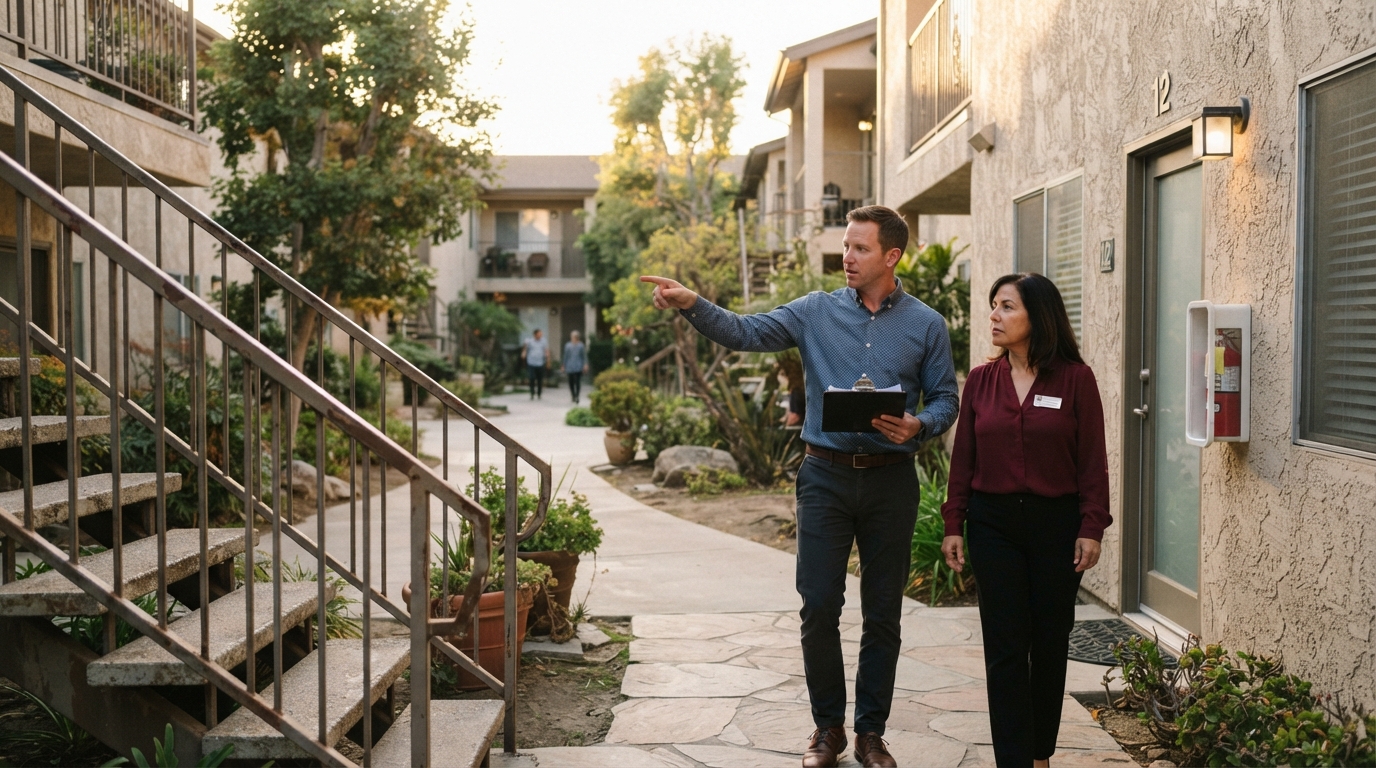
Property owners and managers who want to reduce liability and prevent incidents typically turn to Property Safety Consulting to identify hazards, close compliance gaps, and strengthen emergency plans before problems occur. This type of review looks at how a property actually functions day to day, not just whether it meets a checklist on paper.
A structured safety review tends to cover a few consistent areas regardless of property type or size:
• Physical hazard identification, including fall risks, structural concerns, and access points that need monitoring
• Compliance gaps tied to documentation, inspection schedules, or outdated protocols
• Emergency response planning, including evacuation routes and communication chains
• Operational structure, such as how incidents get reported and who is accountable for follow-up
Why Risk Assessment Matters for Residential and Commercial Properties
Every property, whether a condominium association, apartment complex, or commercial building, carries a baseline level of risk that changes with age, occupancy, and local conditions. A risk assessment establishes what that baseline actually looks like rather than relying on assumptions. Commercial property compliance generally breaks down into a layered set of obligations, and OSHA’s General Industry Standards under 29 CFR 1910 establish the federal foundation that commercial buildings, warehouses, and multi-family facilities must follow.
For residents and property managers in Margate, FL, seasonal storm activity and aging housing stock make this kind of review especially relevant. Buildings exposed to heavy rain, wind, and humidity face a different risk profile than properties in drier climates, which affects everything from roof inspections to mold prevention protocols.
What a Property Safety Review Typically Involves
A thorough safety consultation does not stop at a walk-through. It usually results in a written assessment that property leadership can act on and reference later.
| Review Stage | Primary Focus | Typical Output |
| Initial site assessment | Physical hazards, access control, structural concerns | Hazard list with priority ranking |
| Documentation audit | Inspection records, training logs, compliance history | Gap analysis report |
| Emergency planning | Evacuation routes, communication protocols, staff roles | Updated response plan |
| Follow-up review | Verification that corrections were implemented | Status update or revised plan |
This structure gives property leaders a reference point they can return to during insurance renewals, board meetings, or after a change in property management.
Building Accountability Into Day-to-Day Operations
Safety consulting works best when it is treated as an ongoing process rather than a one-time inspection. Properties that only address safety after an incident tend to repeat the same gaps because the underlying systems were never corrected.
Three habits separate properties that manage risk well from those that do not:
1. Scheduling recurring reviews instead of waiting for a complaint or incident
2. Keeping documentation centralized so decisions rely on accurate records rather than informal communication
3. Assigning clear ownership for follow-up so identified hazards do not stay open indefinitely
Consulting support can help formalize these habits into a system that holds up under inspection or audit, which matters most for properties managing multiple buildings or a mixed-use portfolio.
What does a property safety consultant actually assess? A consultant typically reviews physical hazards, documentation practices, compliance history, and emergency response readiness to produce a prioritized list of findings and recommendations.
How often should a property undergo a safety review? Most properties benefit from at least an annual review, with additional checks after major renovations, ownership changes, or significant weather events common to Margate, FL.
Is safety consulting only for large commercial properties? No. Condominium associations, apartment communities, and smaller commercial buildings all carry liability exposure that benefits from a structured review, regardless of size.
Does safety consulting replace required government inspections? No. Consulting supplements, but does not replace, mandatory inspections required by local fire marshals, building codes, or federal standards.
Final Notes and Contact Information
Based in USA, Jonathan Shaw Consulting serves property owners and managers across Margate, FL, offering consultation rooted in operational and public-safety experience.
A published archive of articles on property operations and safety topics is available through Visit Website, covering ongoing developments relevant to property leaders.