
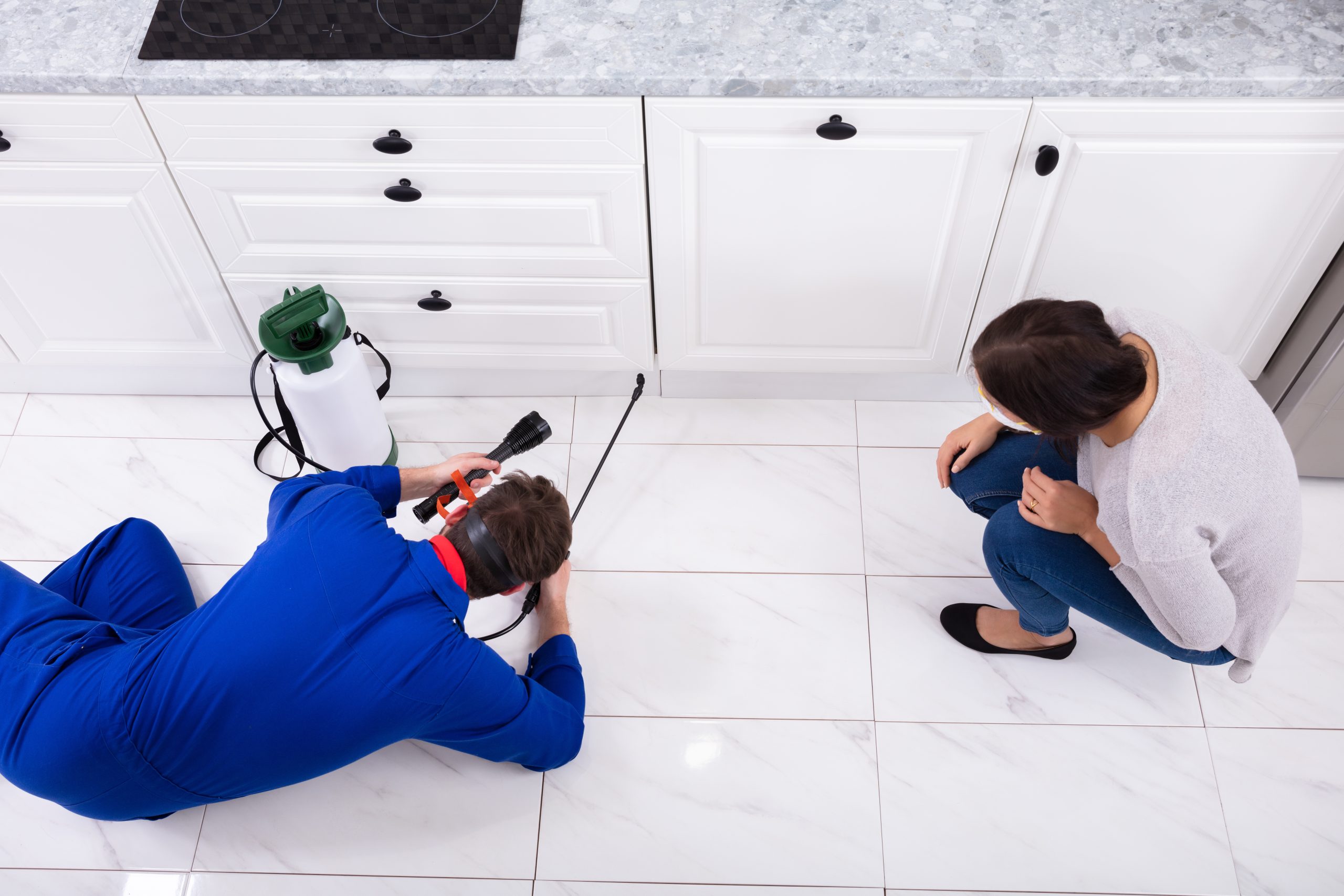
Summary:
• Pest control ranges from prevention and exclusion to trapping, heat treatment, and targeted pesticide application, chosen based on pest type and severity.
• Seasonal patterns in Plaistow, NH drive which methods matter most, from spring ants and ticks to fall rodent activity.
• Matching the method to the pest reduces repeat problems more effectively than a single generic treatment.
Pest control refers to the identification, prevention, and management of insects, rodents, and other organisms that threaten homes, health, or property. The right method depends on the pest species, the extent of the infestation, and the season, which is why professionals typically combine several approaches rather than relying on one fix.
Pest control service decisions usually start with identifying the pest correctly, since a treatment effective against ants will do little against rodents or bed bugs. Licensed providers such as BUG HUNT commonly inspect a property first to determine the source of activity before recommending a treatment path. This inspection step matters because treating symptoms without finding entry points or nesting sites tends to produce only temporary relief.
Core Pest Control Methods
Most pest management programs draw from a defined set of techniques, often applied in combination. The federal government’s long-standing framework for this approach is Integrated Pest Management (IPM), which prioritizes prevention before chemical intervention.
• Prevention and exclusion : Sealing gaps, repairing screens, and removing food or water sources to keep pests from entering in the first place.
• Monitoring and inspection : Tracking pest activity through traps or visual checks to determine whether action is actually needed.
• Physical and mechanical control : Trapping, vacuuming, or physically removing pests and nests.
• Heat or cold treatment : Used for pests such as bed bugs that are sensitive to temperature extremes.
• Pesticide application : Reserved for situations where thresholds are exceeded and lower-risk options have not resolved the problem.
According to EPA guidance on integrated pest management, pest control is required only if action thresholds are exceeded, and IPM programs use the most effective, lowest-risk options considering risks to the applicator, building occupants, and environment. This means a visible ant or two does not necessarily call for spraying, while an active termite colony usually does.
Matching the Method to the Pest
| Pest Type | Common Method | Typical Trigger |
| Ants (carpenter, sugar) | Exclusion plus targeted baiting | Trails near food or moisture sources |
| Rodents (mice, rats) | Trapping and exclusion sealing | Droppings, gnaw marks, fall temperature drops |
| Bed bugs | Heat treatment or targeted pesticide | Bites, shed skins, visible insects |
| Mosquitoes | Larvicide and habitat reduction | Standing water, peak summer activity |
Severity also matters. A single carpenter ant sighting may only need monitoring, while a established colony in structural wood usually requires a more direct treatment plan.
Seasonal Pest Pressure in Plaistow, NH
Rockingham County’s mix of wooded lots and older housing stock creates conditions that shift noticeably by season, which affects which method is appropriate at any given time.
1. Spring : Ants and ticks become active as temperatures rise.
2. Early summer : Termite swarmers may appear, often signaling a need for inspection rather than immediate treatment.
3. Mid to late summer : Mosquitoes and stinging insects peak, often calling for habitat-based reduction alongside direct treatment.
4. Fall : Rodents search for indoor shelter as outdoor temperatures drop, making exclusion work a priority.
Because older homes often have more gaps around foundations and utility lines, exclusion tends to be a recurring theme across all four seasons rather than a one-time task.
Based in Kingston, NH, pest management support reaches homeowners and businesses throughout Plaistow, NH, where seasonal shifts and an older housing mix create recurring conditions for common New England pests.
Frequently Asked Questions
How do I know if I need pest control or just prevention? A small number of pests, like an occasional ant, often only calls for cleaning and sealing entry points. Visible nests, droppings, structural damage, or recurring sightings over several days typically indicate a need for direct treatment.
Are chemical treatments always necessary? No. Mechanical methods like trapping, exclusion, and sanitation resolve many pest issues without pesticide use, and professionals generally reserve chemical application for situations where other methods have not worked.
What time of year is pest activity highest in Rockingham County? Activity shifts throughout the year, with ants and ticks common in spring, mosquitoes and stinging insects peaking in late summer, and rodents increasing indoors in fall as temperatures fall.
Can one treatment solve a pest problem permanently? Rarely. Most effective programs combine exclusion, monitoring, and follow-up treatment, since a single application without addressing entry points or food sources often allows pests to return.
Looking Ahead
Selecting an appropriate pest control method depends on correctly identifying the pest, assessing severity, and accounting for seasonal timing rather than applying a blanket treatment to every situation. Published service details for BUG HUNT are available for reference regarding the local service area.

