Essentially:
• Effective residential pest control combines inspection, targeted treatment, and prevention rather than a single spray-and-go visit.
• Licensed technicians identify the pest, address entry points, and recommend a service schedule (one-time or recurring) based on the home’s risk factors.
• Independent guidance from government health agencies supports prevention-first methods as the safest long-term approach for homes.
Homeowners searching for pest solutions usually want one thing: a reliable way to stop an infestation without putting their family or pets at risk. The most dependable answer is a structured approach that identifies the pest, treats the source, and prevents recurrence rather than relying on temporary fixes.
Residential Pest Control works best when it follows a documented process instead of guesswork. Licensed technicians inspect a property, identify the species involved, and apply treatments matched to that specific pest and the home’s layout. This method mirrors guidance from public health agencies, which emphasize prevention and targeted action over routine, broad-spectrum spraying.
What the Treatment Process Typically Involves
A thorough service visit generally follows a consistent sequence:
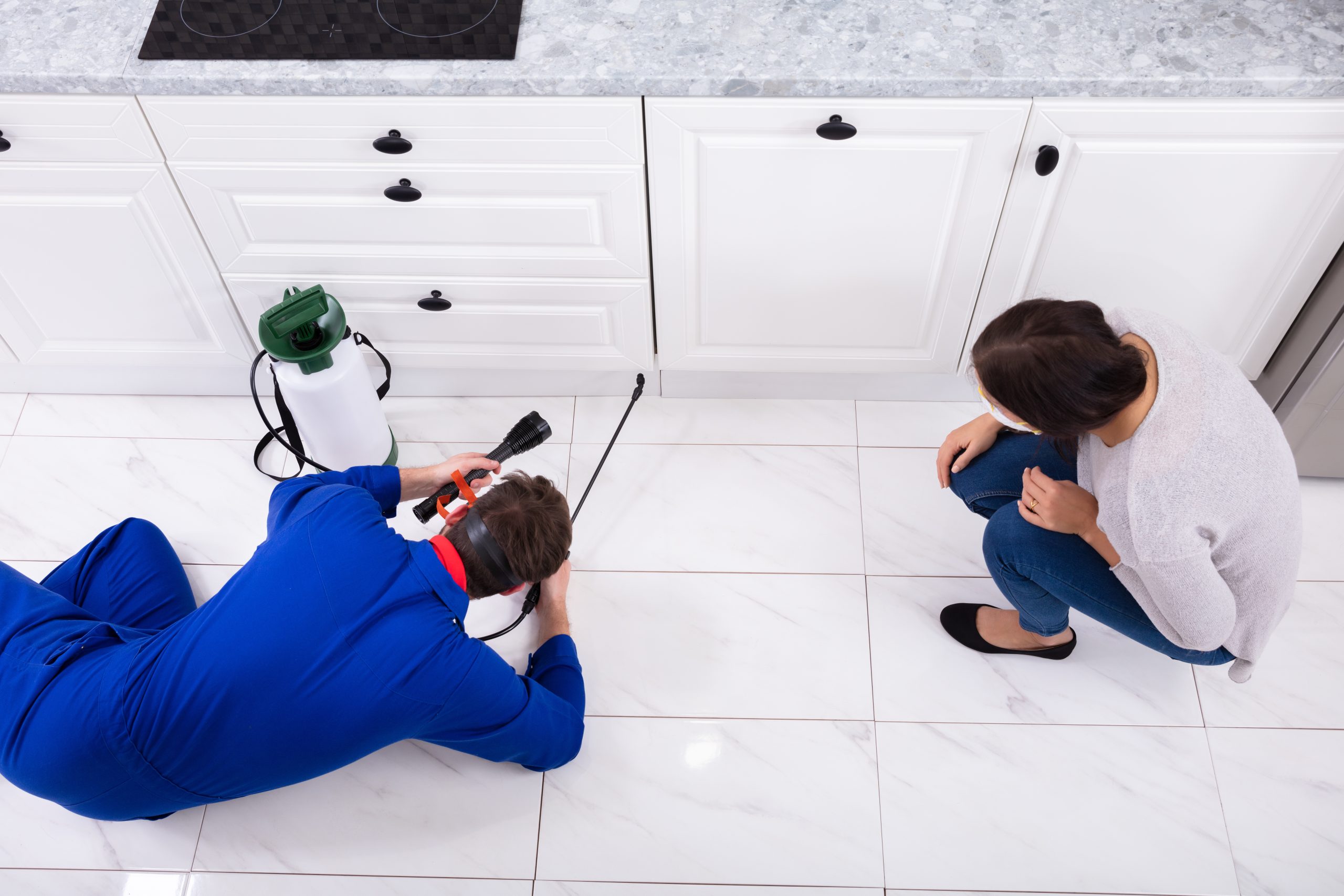
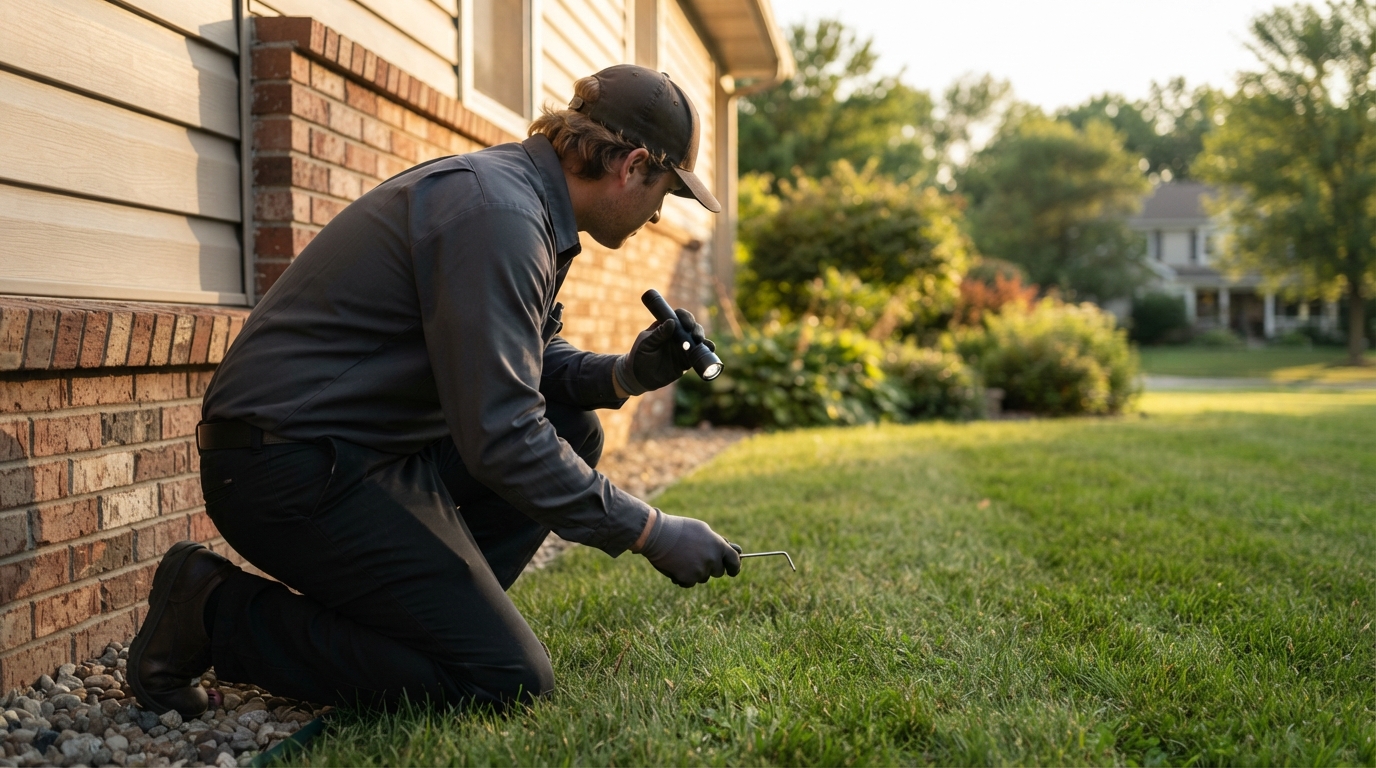
1. Inspection – technicians walk the interior and exterior to locate nesting sites, entry points, and conducive conditions.
2. Identification – correctly naming the pest (ants, spiders, rodents, cockroaches, or stinging insects) determines which treatment method applies.
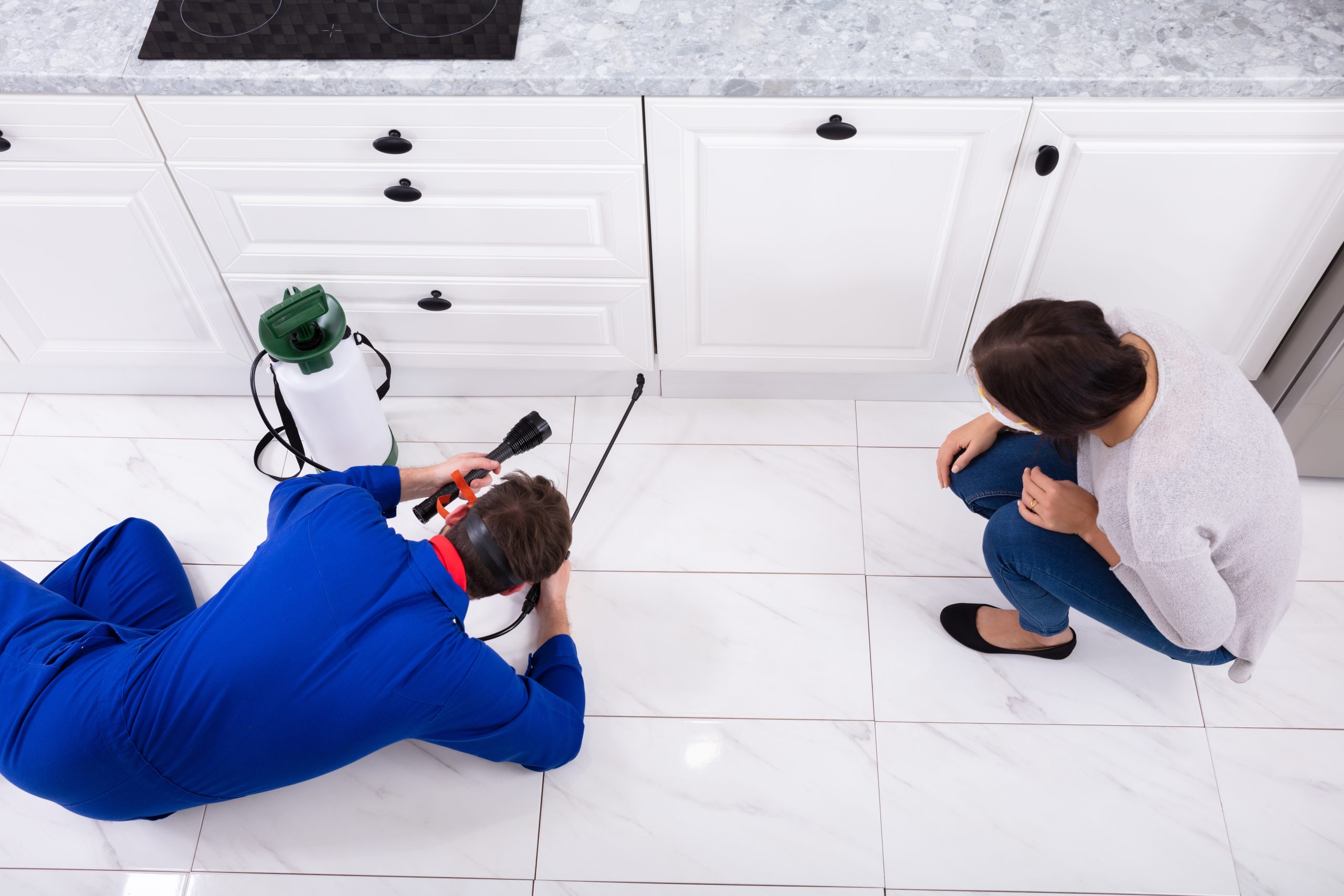
3. Targeted treatment – products and methods are chosen for the specific pest rather than applied uniformly.
4. Exclusion and sealing – gaps, cracks, and entry points are closed to reduce the chance pests return.
5. Follow-up – recurring plans allow technicians to monitor activity across seasons.
This structure aligns with Integrated Pest Management principles, which the EPA’s introduction to Integrated Pest Management describes as a strategy built on identifying pests, preventing conditions that attract them, and applying control methods only when needed. The EPA notes that IPM focuses on prevention by removing conditions that attract pests, such as food, water, and shelter, which is why sealing and sanitation often matter as much as the treatment itself.
One-Time Treatment vs. Recurring Service Plans
Homeowners typically choose between a single visit for an isolated problem or an ongoing plan for year-round protection. Each option fits different situations:
| Option | Best For | What It Covers |
| One-time treatment | A specific, isolated infestation | Targeted treatment for one identified pest issue |
| Monthly or quarterly plan | Homes with recurring pest pressure | Scheduled visits, monitoring, and seasonal adjustments |
| Exclusion/sealing add-on | Preventing repeat entry | Sealing cracks, gaps, and other access points |
| Specialty treatment (e.g., termite monitoring) | Pests requiring dedicated systems | Ongoing bait station checks and inspection records |
Recurring plans tend to suit properties near wooded areas, older homes with more gaps in the foundation, or households that have dealt with repeat ant, spider, or rodent activity. A single visit can be appropriate when a problem is contained and unlikely to return once the source is removed.
Common Household Pests and Why Identification Matters
Different pests require different control strategies, which is why accurate identification is the starting point for any service plan:
• Ants and cockroaches often respond to bait placement and sanitation changes near food sources.
• Spiders typically decrease once web-building sites and insect prey populations are reduced.
• Mice and rats require exclusion work in addition to trapping, since sealing entry points prevents new rodents from moving in.
• Termites and wood-destroying insects need specialized monitoring systems rather than surface treatments.
• Bed bugs and fleas usually require multiple visits because of their life cycle stages.
Misidentifying a pest can lead to wasted treatments and continued activity, which is one reason licensed technicians document findings before recommending a plan.
Frequently Asked Questions
How often should a home be treated for pests? Frequency depends on the property’s pest pressure and location; some homes do well with quarterly visits, while others need monthly service during peak seasons.
Is residential pest control safe for children and pets? Licensed technicians select treatment methods based on the pest and the home’s occupants, following label instructions and application guidelines required for residential use.
Can prevention alone keep pests away? Sealing entry points, removing standing water, and reducing clutter lower the risk significantly, but active infestations usually still require professional treatment.
What should a homeowner do before a scheduled visit? Clearing access to baseboards, cabinets, and the home’s exterior perimeter helps technicians complete a thorough inspection and treatment.
Staying ahead of pest problems comes down to consistent inspection, correct identification, and treatment matched to the specific issue rather than guesswork. Wells Pest Control is a family-owned provider serving Central Ohio homes and businesses with licensed technicians trained in residential, commercial, and industrial pest management. Homeowners weighing a one-time treatment against an ongoing plan can learn more about available service options and Visit Website to review current offerings, or reach out directly to Wells Pest Control to discuss the right approach for a specific property.