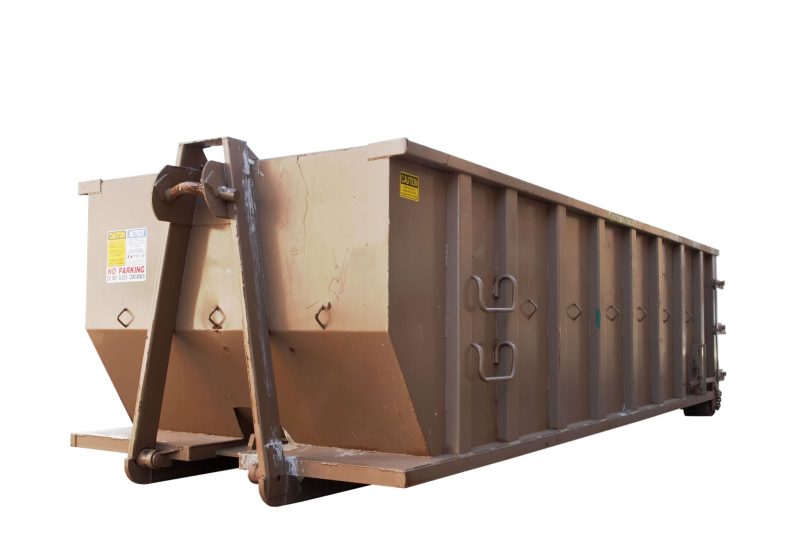
In short:
- A residential dumpster suits projects generating more debris than curbside pickup or a few truck trips can handle, such as basement, attic, or multi-room cleanouts.
- Rental sizes typically range from 10 to 25 cubic yards, with weight limits and time windows that affect total cost.
- Certain items, including propane tanks and some hazardous materials, are commonly restricted from roll-off containers and require separate disposal.
A home cleanout that fills more than a truckload or two of debris is usually the point where renting equipment becomes more practical than repeated trips to a transfer station. Deciding when a Residential Dumpster rental in Newburyport fits the job depends on the volume of material, the type of debris, and how much time the project will take to complete. Homeowners clearing out a garage, finishing a basement purge, or prepping a house for sale or renovation often reach that threshold quickly once furniture, old flooring, and bagged debris start accumulating.
Signs a Cleanout Needs a Roll-Off Container
Not every decluttering job calls for a dumpster rental. A few practical indicators help homeowners gauge whether renting makes sense:
- The debris fills more space than a standard trash bin or a few truck loads can carry.
- The project spans several days or weekends rather than a single afternoon.
- Materials include bulky items like mattresses, furniture, or construction scraps from a renovation tied to the cleanout.
- Multiple rooms or an entire property (basement, attic, garage) are being cleared at once.
For smaller jobs, bagged trash and a single trip to a local transfer station may be enough. Once debris volume grows past what a pickup truck can reasonably haul, a rented container becomes the more efficient option.
Matching Dumpster Size to Project Scope
Dumpster rental services commonly offer container sizes ranging from 10-yard units for small cleanouts to 25-yard units for larger whole-house projects. Choosing the right size affects both cost and whether a second pickup becomes necessary.
| Container Size | Typical Use Case | General Weight Guidance |
|---|---|---|
| 10-yard | Single-room cleanout, small garage purge | Around 1 ton |
| 15-yard | Multi-room cleanout, light renovation debris | Around 2 tons |
| 20-yard | Basement or attic cleanout, moderate remodel | Around 3 tons |
| 25-yard | Whole-house cleanout, larger remodel debris | Around 4 tons |
Rental agreements generally include a set time window, often about one week, with additional weekly charges if the container stays longer. Overage fees apply when a load exceeds the weight limit tied to the container size.
What Cannot Go in a Residential Dumpster
Roll-off containers are built for bulk household and construction debris, not every category of waste. Items such as propane tanks, car tires, and mattresses are frequently priced or restricted separately from standard debris loads. Household hazardous waste, including paints, solvents, and pesticides, falls into a different disposal category entirely. The EPA’s guidance on household hazardous waste notes that these materials should be managed through local collection programs rather than placed with regular trash or bulk containers. Checking restricted-item lists before loading a dumpster avoids rejected pickups or added fees.
Planning for Newburyport, MA Cleanouts
Seasonal cleanouts tend to cluster around spring and fall in Newburyport, MA, when homeowners tackle garages, basements, and yard debris before weather shifts. Older housing stock in the area often means multi-generational accumulation in attics and basements, which can exceed what curbside pickup handles in a single collection cycle. Based in USA, Meadows Disposal Company serves customers across Newburyport, MA, supporting cleanout timelines that align with local scheduling needs. Confirming local rules on placement, permits for street use, and accepted materials before a rental begins helps prevent delays once the container arrives.
Frequently Asked Questions
How long can a residential dumpster typically stay on a property? Most rental agreements set a standard window, often around one week, with additional charges if the container is kept longer.
What size dumpster fits a basement or attic cleanout? Mid-range sizes, such as 15-yard or 20-yard containers, generally accommodate single-area cleanouts without exceeding standard weight limits.
Are mattresses or tires allowed in a standard container? These items are often accepted but priced separately from general debris due to handling and disposal requirements.
Does a residential dumpster handle hazardous household items? No. Paints, solvents, and similar materials typically require separate disposal through local hazardous waste programs rather than placement in a roll-off container.
Next Steps for Planning a Cleanout
Published details for Meadows Disposal Company outline container sizing and scheduling information relevant to a planned cleanout timeline.