A metal roof can offer long service life, dependable weather protection, and a clean, finished appearance. Choosing the right system, however, involves more than picking a color or profile: materials must suit the building, local weather, and installation plan. Homeowners and contractors searching online for metal roofing supply companies in Greenville, SC, can use this guide to understand what to compare before ordering roofing materials.
Why Metal Roofing Is the Right Fit
Greenville’s climate brings hot, humid summers, periods of heavy rain, and occasional severe storms. A properly designed metal roof sheds water efficiently and can withstand changing conditions when its panels, fasteners, flashing, and underlayment are selected and installed as a coordinated system. Metal is also relatively lightweight compared with many traditional roofing materials, which may simplify handling and reduce structural load, depending on the existing roof and project requirements.
Durability is not automatic, though. The roof’s performance depends on material quality, suitable coatings, correct fastening, and careful attention to details such as valleys, eaves, ridges, and roof penetrations. A product that works well on one building may not be the right choice for another, so evaluate the whole assembly rather than focusing on the panel alone.
Compare Metals, Coatings, and Panel Profiles
Steel is a common choice because it balances strength, availability, and cost. Aluminum is lighter and naturally resistant to corrosion, which can make it useful in certain environments, though it may have different cost and performance characteristics. The best option depends on the building, budget, exposure, and manufacturer specifications.
Coatings are just as important as the underlying metal. Painted finishes help protect panels from weather and provide color, while metallic coatings can help limit corrosion. Ask for product documentation that explains the coating type, expected performance, and warranty conditions. Consider how the color may look in full sun, how it complements the building, and whether the finish is designed to resist fading and chalking.
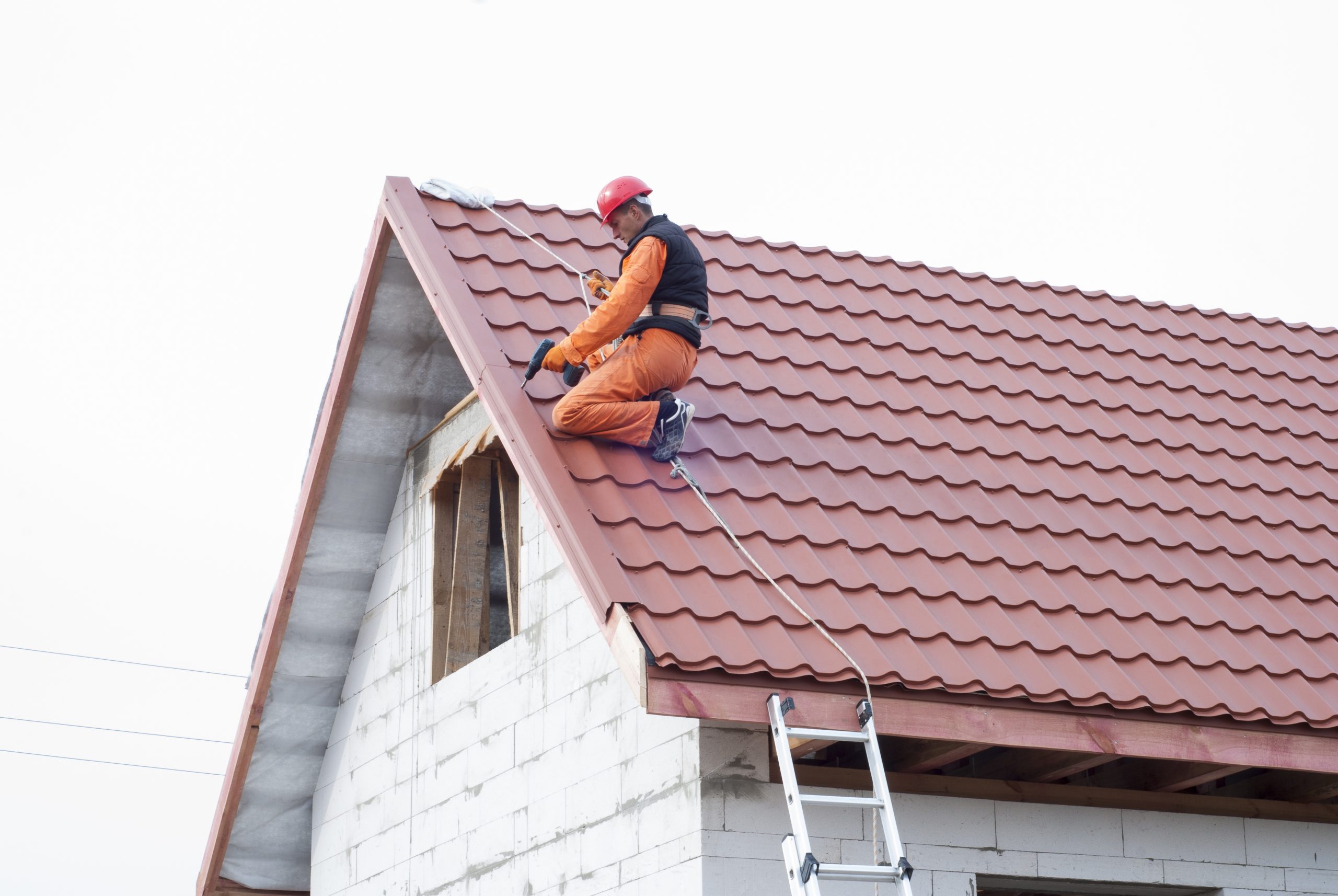
Panel profile affects appearance, installation, and water management. Exposed-fastener panels are attached through the panel surface and can be a practical choice for many applications. Standing-seam panels conceal most fasteners beneath raised seams, creating a streamlined appearance and reducing direct exposure of fasteners to weather. That profile typically calls for compatible clips and components, so confirm that the entire system is specified together.
Check Specifications Before Ordering
A clear materials list can prevent costly delays and mismatched components. Before placing an order, confirm:
- Panel Dimensions and Coverage: Verify the roof measurements, panel lengths, coverage width, and allowance for cuts or waste.
- Metal Thickness and Finish: Compare product specifications rather than relying on appearance alone.
- Compatible Accessories: Include ridge caps, eave trim, valleys, closures, flashing, and fasteners designed for the selected panel.
- Underlayment and Ventilation: Confirm that these materials suit the roof deck, pitch, and roofing system.
- Delivery and Handling: Establish when materials will arrive and how they will be protected from damage or moisture before installation.
A roof plan should account for slopes, transitions, chimneys, vents, and other penetrations. These areas often require custom measurements or specialized trim. Confirming details early helps ensure the order contains the right materials in the right quantities.
Plan for Installation and Local Conditions
Roof pitch and building design influence which products are appropriate. Some panels have minimum-slope requirements, and low-slope areas may need different detailing to manage water. Likewise, the roof deck must be sound and properly prepared. An installer should review the project conditions and follow the product’s installation instructions, including requirements for fastener placement, panel spacing, and flashing.
Local building requirements may also affect the choice of materials or installation method. Before work begins, check applicable codes and permit requirements, and confirm that the proposed roof assembly meets them. For a reroof, assess the existing roof’s condition and determine whether old materials must be removed. Adding new roofing over an existing layer may not be suitable for every structure or allowed in every situation.
Good planning includes safe storage. Keep panels flat, supported, and protected according to product guidance. Scratches, trapped moisture, or improper stacking can damage finishes before installation. Handle cut edges carefully and use recommended methods to protect them.
Balance Upfront Cost with Long-Term Value
The lowest initial price does not always represent the best value. Compare the complete system, including trim, fasteners, underlayment, and any specialized components—not only the cost per panel. Review warranties closely: coverage may vary for paint, corrosion, and weather performance, and may depend on correct installation and maintenance.
Metal roofs generally need less frequent attention than some alternatives, but periodic inspections remain worthwhile. Look for loose or damaged trim, debris buildup, blocked drainage, and signs of finish damage, especially after severe weather. Follow the product’s cleaning and maintenance recommendations to help preserve its appearance and performance.
Make a Confident Materials Choice
A durable metal roof starts with a system matched to the building and Greenville’s weather. Compare metal types, coatings, profiles, and specifications; verify measurements and compatible accessories; and plan for code requirements, delivery, and installation details. Careful preparation helps reduce waste and avoid preventable delays while supporting long-term roof performance. By looking beyond color and initial price, property owners can choose materials that provide a practical balance of durability, appearance, and value.