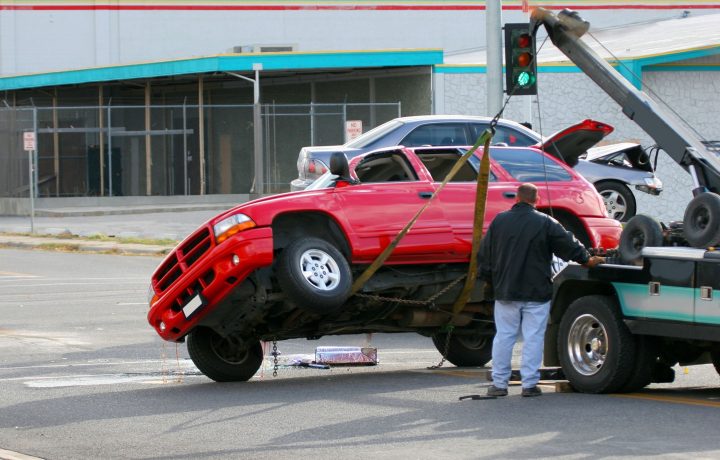
Summary first:
- Roadside assistance covers jump starts, lockouts, fuel delivery, and breakdown recovery to get a disabled vehicle off the road safely.
- Colorado Springs, CO drivers face elevated breakdown risk from temperature swings, mountain grades, and sudden winter storms.
- A pre-programmed roadside contact and a stocked emergency kit reduce wait time and roadside exposure.
A vehicle breakdown on a highway shoulder or a cold driveway creates real risk until help arrives, and Roadside Assistance exists specifically to shorten that exposure window by sending trained help for jump starts, lockouts, fuel delivery, and towing. The service matters most in the first few minutes after a car stalls, when a driver has to decide whether to stay inside, move to a safer spot, or attempt a repair alone.
Typical roadside calls fall into a narrow set of categories, and knowing which one applies helps a driver describe the problem accurately when calling for help.
What Roadside Assistance Actually Covers
Roadside assistance is not a single repair; it is a bundle of on-site services designed to resolve the most common reasons cars stop running. Industry guidance from the NHTSA summer driving tips page notes that even a well-maintained vehicle can break down, which is why most providers structure service around a handful of recurring problems.
- Jump starts and battery diagnostics for a car that will not turn over
- Lockout rescue when keys are locked inside the vehicle
- Fuel delivery for a vehicle that has run dry
- Breakdown recovery and towing when the issue cannot be fixed roadside
Why Colorado Springs, CO Conditions Raise the Stakes
Elevation changes, sudden temperature drops, and mountain-adjacent roads around Colorado Springs, CO create conditions that are harder on batteries, tires, and fuel systems than flat, temperate climates. A car that performs fine in town can stall on a grade outside city limits, leaving a driver farther from immediate help.
- Cold snaps reduce battery output, a leading cause of no-start calls
- Steep or winding routes increase strain on brakes and cooling systems
- Rural stretches around El Paso County mean longer wait times without a plan
Comparing Self-Help Options to Professional Roadside Response
| Situation | Self-Help Attempt | Professional Roadside Response |
| Dead battery | Flag down a stranger for a jump | Dispatched technician with proper cables and safety protocol |
| Locked keys inside | Attempt to pry door or break a window | Non-destructive lockout tool and trained technique |
| Empty fuel tank | Walk to a station, carry fuel back | Fuel delivered directly to the vehicle location |
| Mechanical breakdown | Attempt a roadside repair without tools | Safe recovery and transport to a repair facility |
Self-help carries more physical risk, especially on a shoulder with moving traffic, and often takes longer than a dispatched response.
Staying Safe While Waiting for Help
Positioning and visibility matter as much as the repair itself. The California Highway Patrol roadside kit guidance recommends keeping warning devices, a flashlight, and basic supplies in the vehicle at all times for exactly this kind of wait.
- Pull as far onto the shoulder or into a lot as possible
- Turn on hazard lights immediately after stopping
- Stay inside the vehicle with a seatbelt fastened if traffic is heavy
- Call for help before attempting any repair alone
Anthony’s Towing offers jump starts, lockout rescue, fuel delivery, and breakdown recovery in Colorado Springs, CO. The company serves the area without maintaining a local office or storefront.
Frequently Asked Questions
What is the most common reason for a roadside assistance call? A dead battery is consistently cited as one of the most frequent triggers for roadside calls, particularly during cold weather when battery output drops.
Should a driver attempt to change a tire on a busy road? Safety guidance generally advises against changing a tire on an active travel lane and recommends waiting for professional recovery when traffic is heavy or visibility is poor.
Does roadside assistance include towing to a repair shop? Breakdown recovery and towing are typically included when an issue cannot be resolved on-site, moving the vehicle safely to a shop or other location.
How can a driver reduce wait time during a breakdown? Having a roadside contact saved in advance and providing a clear location description are the two factors that most consistently shorten response time.
Staying Prepared on the Road
A breakdown is rarely convenient, but knowing which service applies and having a contact ready removes much of the uncertainty involved. Contact details for Read more about towing options are published for drivers who want them available before an emergency occurs.