Ants may seem like a minor nuisance at first, but a steady trail can signal a larger problem hidden behind walls, beneath floors, or outdoors near the foundation. Homeowners searching online for Pest Control For Ants Plymouth County MA are often looking for more than a quick fix: they want to understand why ants keep returning and how to protect their homes over time.
Why Ants Enter Homes
Ants come inside in search of food, water, and shelter. Even small amounts of crumbs, sticky spills, or pet food can attract foragers. Leaky pipes, damp areas, and condensation may provide water, while gaps around windows, doors, utility lines, and foundations offer easy entry.
Seasonal conditions can also affect ant activity. Rain, temperature changes, and shifts in outdoor food sources may drive colonies closer to buildings. Because workers follow scent trails, one successful trip to a food source can quickly bring more ants along the same route.
Different ant species may nest in different places and require different treatment approaches. Some establish colonies outdoors and enter only to forage. Others may nest inside wall voids or areas with moisture-damaged wood. Identifying the type of ant and locating the colony are important steps toward lasting control.
How Professional Treatment Helps
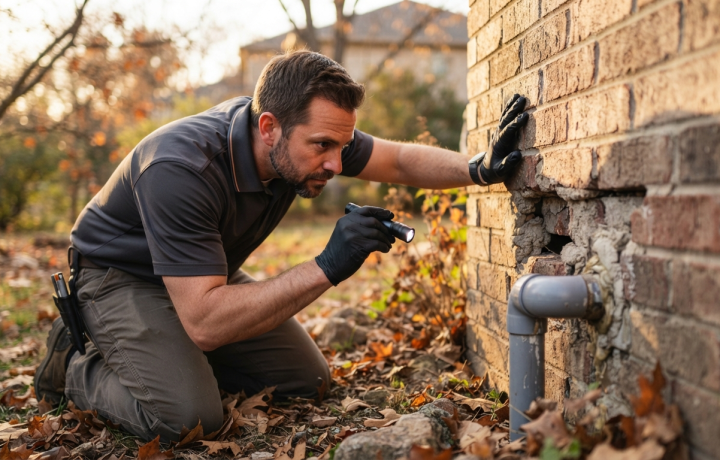
Effective pest management starts with an inspection. A trained professional can look for trails, likely entry points, nesting areas, moisture conditions, and the factors attracting ants. This investigation helps distinguish a temporary influx from an established indoor infestation.
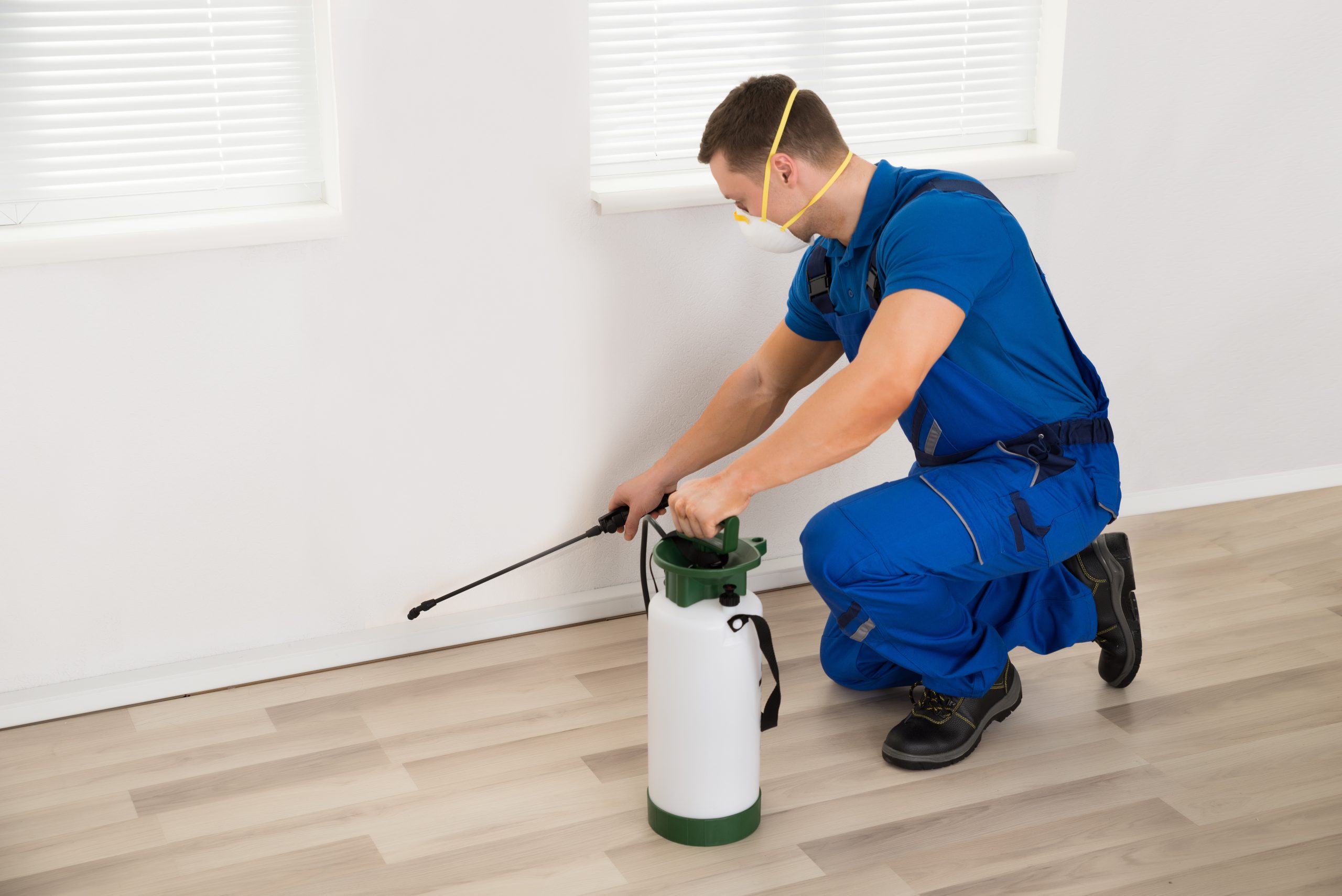
Treatment is then selected according to the species, colony location, and conditions in the home. Depending on the situation, a plan may use targeted products, baiting, or other methods. Baits work by allowing worker ants to carry food back to the colony, where it can reach other ants. Spraying visible workers alone may reduce what you see briefly without addressing the source.
A careful approach also considers household safety. Follow all preparation and re-entry instructions provided for any treatment, and keep children and pets away from products as directed. Avoid applying additional pesticides over professional treatments unless instructed; combining products can interfere with a treatment plan or create unnecessary exposure.
Steps Homeowners Can Take
Professional service works best alongside simple prevention. You can make your home less inviting by:
• Wiping counters and floors promptly, especially after meals.
• Storing pantry foods in sealed containers and keeping trash covered.
• Fixing leaks and drying damp areas under sinks or around appliances.
• Trimming plants away from the exterior and clearing debris near the foundation.
• Sealing small gaps around pipes, windows, doors, and other openings.
These steps reduce food and water sources, but they may not eliminate a colony that is already nesting in or near the home. If ants keep returning after cleanup, note where they appear and when activity is strongest. Avoid disturbing trails before an inspection, since their direction can help reveal where ants are entering or traveling.
Protecting Your Home Over Time
Ant control is most reliable when it addresses the colony, entry routes, and conditions that attract pests—not just the insects in plain sight. An inspection can clarify what is happening, while targeted treatment and practical prevention help reduce the chance of another infestation. By combining professional guidance with consistent household habits, Plymouth County homeowners can protect food, limit unwanted pest activity, and keep living spaces more comfortable.