In brief:
- Effective mouse removal combines exclusion (sealing entry points), trapping or targeted baiting, and sanitation to prevent re-infestation.
- Chicago, IL homes face higher rodent pressure in fall and winter as mice seek shelter from dropping temperatures.
- Professional treatment is often needed when infestations are active, recurring, or located in wall voids and crawl spaces.
House mice can squeeze through gaps the width of a pencil, which is why sealing entry points matters as much as removing the animals already inside. A thorough Mice Extermination plan addresses both the current population and the conditions that let mice enter in the first place.
Older housing stock in Chicago, IL, including brick two-flats and homes with stone foundations, often has gaps around utility lines, vents, and foundation cracks that create easy access points as temperatures drop. Rodents commonly move indoors in autumn searching for warmth and food, making late fall through early winter a peak period for mouse activity in the region.
Signs of a Mouse Infestation
Mice leave behind consistent physical evidence even when they are rarely seen directly.
- Droppings resembling small dark grains near food storage, baseboards, or behind appliances
- Gnaw marks on wood, wiring, or cardboard packaging
- Grease marks or smudges along walls where mice repeatedly travel
- Nesting material made from shredded paper, fabric, or insulation
- Scratching or scurrying sounds inside walls, especially at night
According to the Centers for Disease Control and Prevention, rodents can spread pathogens through droppings, urine, and bites, which makes prompt identification and cleanup a health consideration, not just a property one.
Mouse Removal Methods Compared
Different situations call for different approaches, and combining methods typically produces better long-term results than relying on a single tactic.
| Method | Best Use Case | Limitations |
|---|---|---|
| Snap traps | Small, localized infestations | Requires regular checking and placement near activity zones |
| Bait stations | Ongoing monitoring in secluded areas | Must be inaccessible to children and pets |
| Exclusion sealing | Preventing new entry | Does not remove mice already inside |
| Professional inspection | Recurring or hidden infestations | Involves a scheduled visit and assessment |
Sanitation plays a supporting role in every method above. Removing accessible food sources, storing pantry items in sealed containers, and reducing clutter in storage areas makes a space less attractive to mice even after an active infestation is resolved.
Exclusion and Prevention Steps
Sealing a structure against mice requires attention to details that are easy to overlook during a routine inspection.
- Inspect the foundation perimeter for gaps around pipes, wires, and vents, sealing openings with steel wool or metal flashing rather than materials mice can chew through.
- Check door sweeps and window screens for damage that could allow entry during colder months.
- Trim vegetation and store firewood away from exterior walls to reduce shelter near the structure.
- Address moisture issues, since damp areas attract rodents searching for water sources.
- Schedule periodic exterior inspections, particularly before seasonal temperature drops common in Chicago, IL.
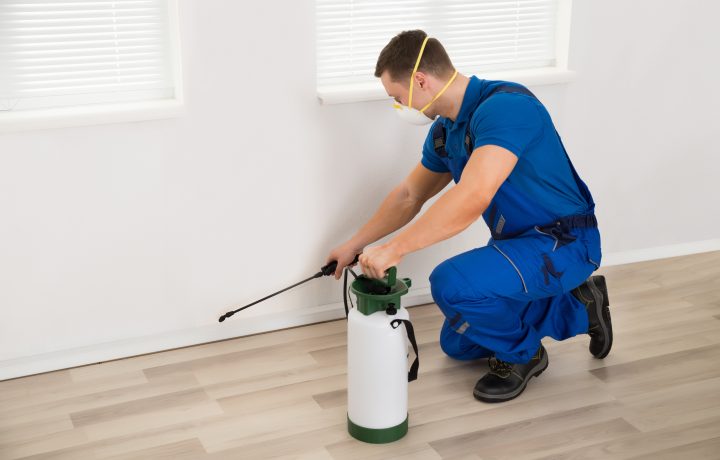
Persistent infestations, especially those involving wall voids, attics, or multiple entry points, often require equipment and treatment approaches beyond store-bought traps. Based in USA, Click Here Guardian Pest Control serves customers across Chicago, IL, applying inspection-based methods suited to the housing conditions typical of the region.
Click Here Guardian Pest Control maintains a published service profile outlining residential pest management offerings for the area. Click Here Guardian Pest Control lists rodent-related services among its general pest control information.
Frequently Asked Questions
How quickly can a mouse problem get worse? Mice reproduce rapidly, so a small infestation can expand within weeks if entry points and food sources remain unaddressed.
Are over-the-counter traps enough for a serious infestation? Store-bought traps can manage light activity, but infestations involving wall voids, attics, or repeated sightings often need a broader inspection-based approach.
Is it safe to use bait stations in a home with pets? Bait stations should be placed in locations inaccessible to pets and children, and tamper-resistant station designs reduce accidental exposure.
When does mouse activity typically increase in Chicago, IL? Activity commonly rises in fall and early winter as mice search for warmth, making seasonal inspection timing useful for prevention.
Business Info and Next Steps
Addressing a rodent problem involves identifying entry points, choosing appropriate removal methods, and following up with exclusion work to prevent recurrence. Current service area information for Click Here Guardian Pest Control is published for residential properties in the region.