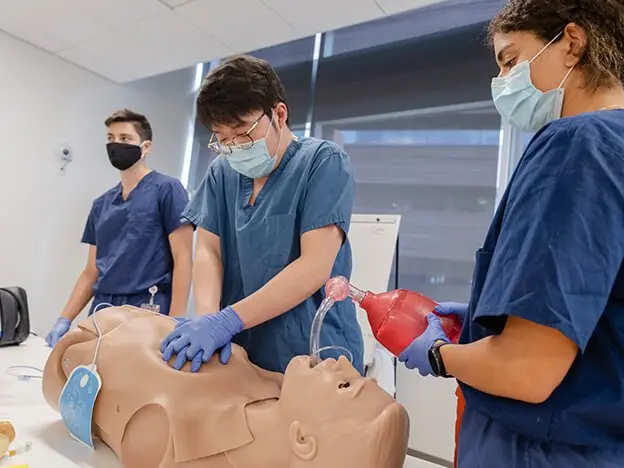
Senior living activity staff should consider First Aid training that matches their daily responsibilities, their employer’s expectations, and the needs of the residents they support. Appropriate instruction should clarify the distinction between nonclinical assistance and licensed healthcare responsibilities while providing opportunities for structured learning and practical assessment.
In Glendale, Arizona, activity coordinators and recreational employees may work in independent living communities, assisted living settings, or other senior-focused residential environments. Although these positions share an emphasis on resident engagement, their duties and training expectations can differ considerably.
Understanding those differences helps employees and administrators make informed decisions before enrolling in a course.
Why Does First Aid Training Matter for Senior Living Activity Staff?
Activity personnel often organize social gatherings, recreational programs, creative workshops, and community outings. Their responsibilities typically focus on participation, engagement, and supporting enjoyable experiences.
Unlike licensed nursing personnel, activity employees generally do not perform clinical assessments or provide treatments outside their authorized responsibilities.
Nevertheless, they work around residents who may have varying mobility levels, physical limitations, or health considerations.
First Aid education introduces concepts relevant to unexpected injuries and sudden illness without replacing the responsibilities of qualified healthcare personnel.
For employers, appropriate instruction can also support clearer expectations about staff roles during unexpected situations.
Rather than treating every employee as interchangeable, organizations should consider how training relates to individual job descriptions and established workplace policies.
How Do Clinical and Nonclinical Responsibilities Differ?
One of the most important considerations is understanding the limits of an activity employee’s role.
Licensed nurses and other healthcare professionals work within defined professional responsibilities, applicable licensing rules, and facility policies.
Activity coordinators usually focus on recreational programming, communication, scheduling, and resident participation.
These different responsibilities influence the training each position may require.
A clinical employee may need courses designed for healthcare environments, while a nonclinical staff member may benefit from general workplace First Aid instruction.
The American Heart Association offers Heartsaver First Aid education for individuals with little or no healthcare background who need training for employment, regulatory, or personal reasons.
However, completing a First Aid course does not authorize an employee to undertake clinical duties, administer treatments beyond their permitted role, or disregard organizational procedures.
Course completion should complement workplace responsibilities rather than expand them without authorization.
What Should Employers Review Before Selecting a First Aid Course?
Senior living administrators should begin by reviewing the actual duties assigned to activity personnel.
An employee coordinating indoor social events may have responsibilities different from someone accompanying residents on scheduled community outings.
Organizations should also consider their internal policies, staffing arrangements, and any applicable licensing requirements.
These factors help determine whether general First Aid instruction is appropriate or whether additional education is necessary.
For example, an employer might require a particular course completion credential before an employee participates in designated activities.
Another organization may provide introductory instruction through its internal orientation program.
Neither arrangement should automatically be assumed to satisfy requirements applicable to another facility.
Before choosing among available courses, administrators should establish which credentials are accepted and whether employees must complete practical skills assessments.
Which First Aid Topics Are Relevant to Resident Activities?
First Aid instruction commonly addresses situations involving injuries, sudden illness, and environmental concerns.
For activity staff, the relevance of these subjects depends on the environments and activities they supervise.
Indoor recreation, supervised exercise programs, outdoor gatherings, and community excursions can present different considerations.
Professional instruction provides an organized setting for understanding emergency-response concepts and the boundaries of appropriate assistance.
It also allows participants to ask questions about course content and how that education relates to their assigned responsibilities.
However, training does not replace individualized resident care plans or facility-specific procedures.
Staff members should understand that residents’ clinical needs remain subject to the oversight and policies of their healthcare or residential organization.
The purpose of First Aid education is to support appropriate preparedness within established professional boundaries.
Is First Aid Certification Required for Every Activity Employee?
There is no single certification rule that automatically applies to every senior living activity position.
Requirements depend on the type of organization, employee duties, applicable regulations, and employer policies.
An assisted living facility may operate under different rules from an independent living community or a licensed nursing facility.
Individual employers may also establish training expectations that exceed minimum regulatory requirements.
Consequently, staff members should confirm their specific obligations with their employer before registering.
Those considering first aid certification should also verify whether the course designation and issuing organization meet workplace expectations.
A general participation certificate should not automatically be treated as equivalent to a recognized course completion credential.
Understanding the difference helps employees avoid unnecessary enrollment and documentation difficulties.
How Should Staff Compare Classroom and Blended Learning?
Training format can affect scheduling, participation, and practical evaluation.
American Heart Association Heartsaver First Aid courses are available through instructor-led classroom instruction and approved blended learning pathways.
Classroom instruction provides guided learning and hands-on practice.
Blended learning generally combines self-paced online education with a required practical skills session.
Both pathways can lead to the appropriate course completion card when participants successfully satisfy the relevant requirements.
Employees reviewing first aid training classes should confirm which components are included before registering.
An online educational module alone should not be assumed to fulfill the complete requirements for a credential involving practical assessment.
For senior living organizations coordinating several employees, the chosen format should also accommodate scheduling arrangements without compromising required course components.
Why Is Practical Instruction Important?
First Aid education involves more than becoming familiar with terminology.
Structured instruction provides opportunities to develop an understanding of course concepts while receiving guidance through the required learning activities.
Hands-on components allow participants to demonstrate specified competencies in a supervised educational environment.
This is particularly relevant when employers expect staff members to complete a recognized course rather than simply attend an informational presentation.
Practical assessment can also help establish consistent educational expectations across employees with different backgrounds.
Some activity coordinators may have previous training, while others may be approaching First Aid education for the first time.
A defined course structure gives participants a common instructional framework.
Nevertheless, completing an assessment does not establish unlimited capability or replace supervision required under workplace policies.
What Documentation Should Employees Receive?
Organizations requiring formal training should verify the documentation issued after successful course completion.
American Heart Association Heartsaver First Aid course completion cards are generally valid for two years.
Employees should confirm that their credential identifies the appropriate course and issuing organization.
Administrators may also need records of completion dates and expiration dates, depending on organizational requirements.
Accurate documentation helps employers distinguish between current credentials, expired training, and courses that do not satisfy established policies.
For employees pursuing emergency first aid training, understanding these requirements before enrollment can prevent confusion when submitting records.
Employers should explain where documentation must be submitted and who is responsible for reviewing it.
Completing a course does not necessarily mean that the organization’s administrative records update automatically.
Can Group Training Benefit Senior Living Activity Departments?
Senior living communities may employ several activity coordinators, assistants, transportation personnel, and recreational staff members.
When multiple employees need comparable instruction, coordinated enrollment can simplify planning.
Group arrangements may help organizations communicate consistent training expectations and identify the appropriate course options.
However, staff members with substantially different duties may not require identical instruction.
Before arranging training, administrators should determine which positions need documented credentials and whether additional course components are appropriate.
Providers offering organizational instruction can clarify available schedules, registration procedures, and course formats.
For Glendale employers reviewing first aid certification courses, these details can be important when planning staff development alongside routine resident programming.
How Should Training Fit Into Employee Onboarding?
First Aid education should be considered alongside existing employee orientation and organizational procedures.
New activity employees may need to understand reporting responsibilities, resident supervision expectations, communication policies, and the limits of their assigned duties.
A First Aid course provides defined educational content, but it does not replace facility orientation.
Employers should therefore distinguish between knowledge acquired through an external course and instructions established internally.
This distinction is especially important when employees move between communities or accept new responsibilities.
Previous training may remain relevant, but organizational procedures can vary.
Clear onboarding expectations help staff understand how their course education fits within the particular environment where they work.
When Should Senior Living Staff Review Training Requirements Again?
Training needs may change as employees assume new duties, move into supervisory positions, or participate in different recreational programs.
Organizational policies and applicable regulatory requirements can also change.
For these reasons, administrators should periodically review employee credentials and training expectations.
Renewal planning should account for credential expiration dates and any additional deadlines established by the employer.
Staff members should also confirm whether a new position requires a different course designation.
Maintaining accurate records and reviewing responsibilities helps organizations approach training as an ongoing administrative commitment rather than a single enrollment decision.
Final Thoughts
First Aid training for senior living activity personnel should reflect actual job responsibilities, employer requirements, and the appropriate boundaries between nonclinical support and healthcare duties.
A suitable course offers structured education, recognized documentation where required, and practical learning aligned with its curriculum.
For Glendale senior living organizations, careful course selection can support consistent staff preparation while respecting existing workplace policies and resident care arrangements.
About CPR Solutions AZ
CPR Solutions AZ serves Glendale and neighboring Arizona communities through American Heart Association CPR and First Aid courses, with in-person class locations listed in Surprise and Flagstaff. Their training includes Heartsaver First Aid instruction delivered under American Heart Association guidelines, with course completion credentials available to eligible participants. Organizations interested in available training can call (623) 640-3591 or locate their business on Google Maps.