Briefly:
• A water well drilling contractor ensures safe drinking water through proper well construction, correct casing depth, and required post-construction water testing.
• North Carolina requires newly constructed private wells to be sampled and tested by a certified laboratory before use as a drinking water source.
• Homeowners in Hendersonville, NC can rely on licensed, NC-certified contractors for drilling, pump installation, and water quality services.
A safe private water supply starts with correct well construction and does not end there. Water quality depends on proper site selection, casing and sealing that block surface contamination, and verified lab testing once the well is complete.
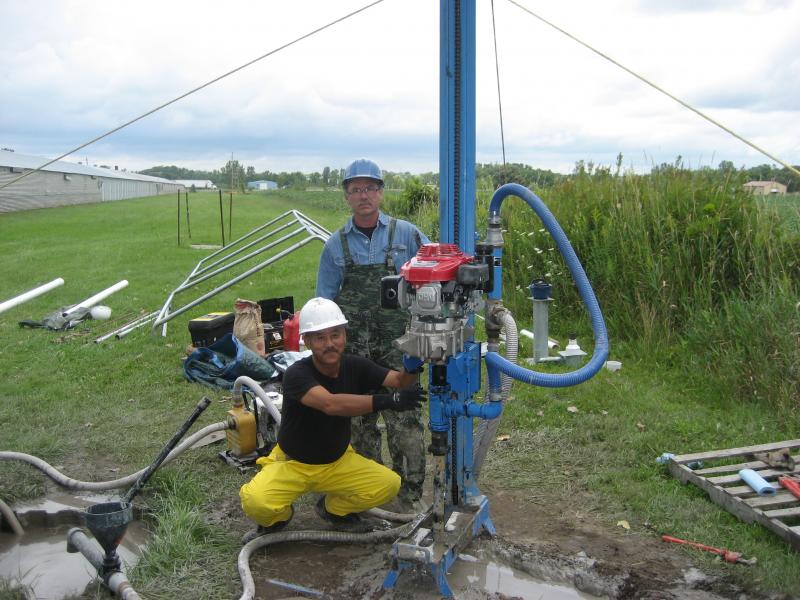
Selecting a qualified Water Well Drilling Contractor is the first decision that affects whether a household’s water stays safe for years. Construction standards, pump sizing, and pressure tank setup all influence how a well performs and how resistant it is to contamination. Clyde Sawyer & Son Well Drilling based in Candler, NC, is one contractor serving the region that offers residential well drilling, pump installation, and related water well services.
What Determines a Safe Well in Hendersonville, NC
Western North Carolina’s mountainous terrain and bedrock geology mean well depth and yield vary significantly by property, which is why site-specific drilling decisions matter for water safety.
• Casing and sealing : Proper casing depth and grouting prevent surface runoff and shallow groundwater from entering the well column.
• Pump sizing : Submersible pumps must be matched to a well’s depth and yield to maintain consistent pressure and avoid drawing sediment.
• Pressure tank setup : A correctly sized and calibrated pressure tank moves water from the well to household fixtures without strain on the system.
NC-regulated contractors handle these steps as part of standard well construction and pump installation work.
Required Testing After New Well Construction
North Carolina has specific rules for newly built private wells. Within 30 days of a certificate of completion for a newly constructed well, water samples must be collected from the well by a certified laboratory and tested by a certified laboratory. Samples for total coliform and fecal coliform bacteria are collected only after the disinfectant agent has been flushed from the well and water supply system.
Beyond the mandatory construction test, ongoing monitoring is a homeowner responsibility rather than a legal requirement. The NC DHHS Private Wells Program offers guidance, permitting information, and a water interpretation tool for private well owners across the state.
| Testing Interval | Recommended Parameters |
| Annually | Total and fecal coliform bacteria |
| Every 1-2 years | Nitrates, nitrites, heavy metals, lead, copper |
| Every 5 years | Pesticides and volatile organic compounds |
After flooding, repairs, or extended disuse, retesting is advised regardless of the regular schedule, since surface contamination can enter a well column during these events.
Service Area and Local Considerations
Mountain and foothill properties around Hendersonville, NC often require drilling through variable rock layers, which affects both well depth and construction timelines. Based in Candler, NC, Clyde Sawyer & Son Well Drilling serves customers across Hendersonville, NC with residential well drilling and related pump and water quality services. Choosing a contractor familiar with the region’s geology and local permitting process reduces the risk of construction delays or under-sized systems that struggle to meet household demand.
Frequently Asked Questions
How soon after drilling does a new well need to be tested? Under state rules, water samples from a newly completed private well must be collected and tested by a certified laboratory within 30 days after it issues a certificate of completion for a private drinking water well that is newly constructed.
Is annual testing required for existing private wells in North Carolina? No. Ongoing testing after the initial construction sample is a recommendation, not a legal mandate, though health officials advise annual bacteria and nitrate checks for existing wells.
What should happen to a well after flooding? Wells affected by flooding should be assessed for damage and tested before continued use. Individuals are encouraged to assess their well for damage, disinfect and test their private drinking wells to make sure their water is safe to use following major storm events.
Does well placement affect water safety? Yes. Casing depth, grouting, and distance from septic systems or surface runoff all influence whether contaminants can reach the water column, which is why professional site evaluation matters before drilling begins.
A safe private water supply depends on correct construction practices, required post-drilling testing, and periodic monitoring over the life of the well. Readers can Visit Website for published location and contact details.