In short:
- Needham homeowners can choose between automatic delivery, will-call (on-demand) ordering, and emergency same-day fuel service depending on household needs.
- Automatic delivery uses usage history and weather tracking to schedule fuel before a tank runs low, removing the need to monitor gauges manually.
- Budget payment plans can spread annual heating costs into equal monthly installments, which helps with winter cash flow planning.
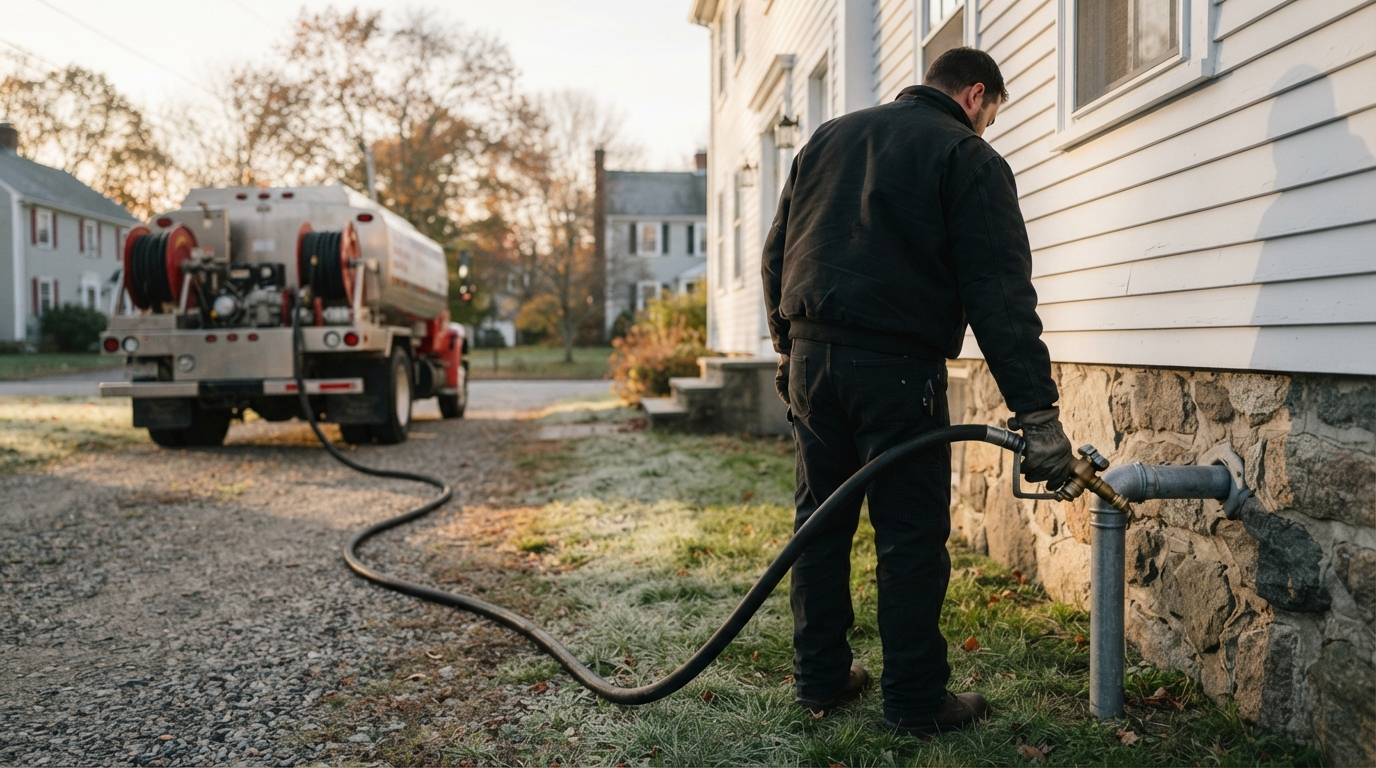
Click Here to Find a Heating Oil Supplier in Needham, MA, and discover reliable delivery options that suit your household’s needs, along with prompt service when your heating oil tank runs low or runs dry. The short answer: most residents choose between automatic delivery for convenience or will-call ordering for control, with emergency service as a backup for both.
Understanding the difference between these options before winter arrives can prevent a cold house and a stressful late-night phone call. A heating oil supplier in Needham MA generally offers a mix of scheduling methods designed to match different comfort levels with fuel planning, from hands-off automatic tracking to manual ordering for homeowners who prefer to watch their own usage.
Comparing the Main Delivery Methods
Most heating oil customers fall into one of three delivery categories. Each has tradeoffs in convenience, cost predictability, and the amount of attention a homeowner needs to give their tank.
| Delivery Option | Best For | How Scheduling Works |
|---|---|---|
| Automatic Delivery | Homeowners who want zero maintenance | Usage history and weather data determine delivery timing |
| Will-Call / On-Demand | Homeowners who track their own tank gauge | Customer calls or orders online when fuel is low |
| Emergency Delivery | Households that ran out unexpectedly | Same-day or rapid-response fuel drop |
Automatic delivery remains the most common choice because it removes the guesswork of monitoring a gauge during cold snaps. On-demand ordering works for homeowners who prefer more control over timing and provider comparison. Emergency service exists as a safety net regardless of which primary method a household uses.
How Automatic Delivery Scheduling Works
Automatic programs rely on data rather than a homeowner remembering to check a tank. Providers typically track:
- Historical fuel consumption for the specific address
- Local outdoor temperature trends
- Tank size and burn rate patterns
This data-driven approach helps prevent both stockouts and unnecessary early deliveries. It also reduces the number of calls a homeowner needs to make during the busiest weeks of winter, since the schedule adjusts automatically as temperatures shift.
Why Delivery Timing Matters More in New England Winters
Massachusetts winters create real pressure on heating oil supply chains, and running out of fuel is not just an inconvenience. Pipes can freeze, and a furnace restart after a dry tank sometimes requires a technician visit rather than a simple refill. According to the U.S. Energy Information Administration, most heating oil use in the United States occurs during the October through March heating season, which is exactly when demand and delivery volume peak for suppliers across the Northeast.
This seasonal concentration means homeowners who wait until midwinter to arrange service may face longer wait times than those who set up delivery in early fall. Scheduling ahead, whether through an automatic program or an early will-call order, reduces the odds of being caught in a high-demand window.
Budget and Payment Considerations for Needham Households
Heating oil costs fluctuate through the season, and many households prefer predictable monthly payments over lump-sum bills during the coldest months. Budget payment plans typically divide an estimated annual heating cost into equal monthly installments, often starting in the warmer months and continuing through spring.
- Payments are spread across roughly ten months rather than concentrated in winter.
- Estimated annual usage is calculated from prior consumption or home size.
- Enrollment usually happens before the heating season begins.
This structure can make it easier to plan a household budget without large seasonal spikes in a single bill.
Choosing the Right Fit for Your Home
Selecting a delivery method comes down to how much manual tracking a homeowner wants to do and how much risk tolerance they have for running low on fuel.
- Households that travel often or dislike checking a gauge tend to prefer automatic delivery.
- Homeowners comparing prices delivery-to-delivery often choose will-call ordering.
- Anyone without a current plan should confirm that emergency delivery is available before winter, not during a cold snap.
Local suppliers serving Needham and the surrounding MetroWest area generally support both automatic and on-demand scheduling, along with 24-hour emergency response for households that need same-day fuel.
Frequently Asked Questions
How far in advance should I schedule my first oil delivery? Setting up service before the October through March heating season begins is generally recommended, since demand and delivery volume rise sharply once temperatures drop.
Can I switch from will-call to automatic delivery mid-season? Most suppliers allow customers to change delivery methods, though the switch typically takes effect after the current billing or delivery cycle is confirmed.
What should I do if my tank runs completely empty? Contact your supplier immediately, since an empty tank can introduce air into the fuel lines and may require a technician to bleed the system before the furnace restarts properly.
Are budget payment plans available to any homeowner? Enrollment is usually based on estimated annual usage and is generally set up before the heating season starts, so contacting a provider early in fall is the best approach.
Households in Needham looking for dependable seasonal fuel planning have several ways to structure delivery around their own schedule and budget. Jamie Oil is one option serving the MetroWest region that supports both automatic and on-demand heating oil delivery for area homeowners. Comparing delivery structures now, before the coldest months arrive, is the most practical step any homeowner can take to avoid a mid-winter fuel emergency.