• Pediatric foot specialists in Fulshear evaluate flat feet, intoeing, toe walking, warts, ingrown toenails, and sports-related injuries in children.
• Early evaluation helps determine whether a condition will resolve with growth or needs bracing, orthotics, or other treatment.
• A qualified child foot doctor Fulshear TX practice typically combines gait assessment, imaging, and conservative care before considering surgery.
Parents searching for a child foot doctor often want to know which foot and ankle issues are common in kids and when a visit is actually necessary versus something a child will simply grow out of. The short answer is that most pediatric foot concerns, from flat arches to toe walking, are manageable with observation, footwear changes, or targeted therapy, but a timely exam helps rule out structural or neurological causes.
Choosing a child foot doctor Fulshear TX families can see regularly matters because foot problems in children evolve as bones and growth plates mature. A single visit rarely tells the full story, since a podiatrist may need to track how a child’s gait or arch develops over several months. Consistency with one practice also makes it easier to compare exam findings year over year.
Flat Feet, Intoeing, and Gait Differences
Flexible flat feet are common in toddlers and often correct naturally as the arch develops, but persistent pain, stiffness, or an asymmetrical arch warrants evaluation. Intoeing and out-toeing, where a child’s feet point inward or outward while walking, are frequently related to how the hip, leg, or foot bones are rotated during growth. According to the American Academy of Orthopaedic Surgeons, most rotational gait differences in young children improve without treatment as they get older, though monitoring is recommended if the pattern worsens or causes frequent tripping.
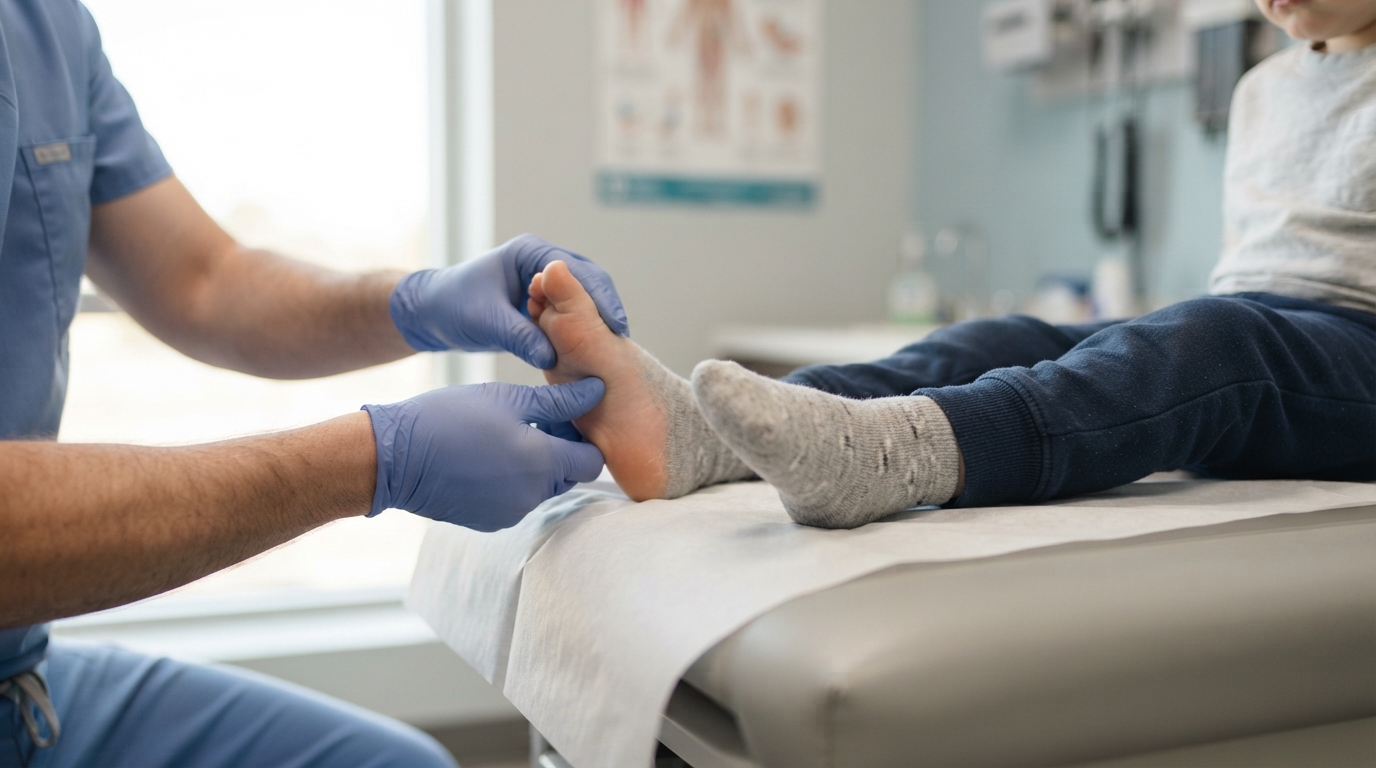
A podiatric exam for these concerns generally includes:
• Observing the child’s walking and running pattern
• Checking flexibility and range of motion in the ankle and foot
• Measuring arch height while standing versus sitting
• Reviewing family history of similar gait patterns
Toe Walking and Related Developmental Concerns
Toe walking past the toddler years can sometimes point to tight calf muscles, sensory preferences, or other developmental factors that benefit from professional input. A specialist will typically assess muscle flexibility and rule out tightness in the Achilles tendon before recommending stretching routines, bracing, or physical therapy. Persistent toe walking beyond early childhood is one of the more common reasons parents are referred to a pediatric foot specialist.
Skin and Nail Conditions in Kids
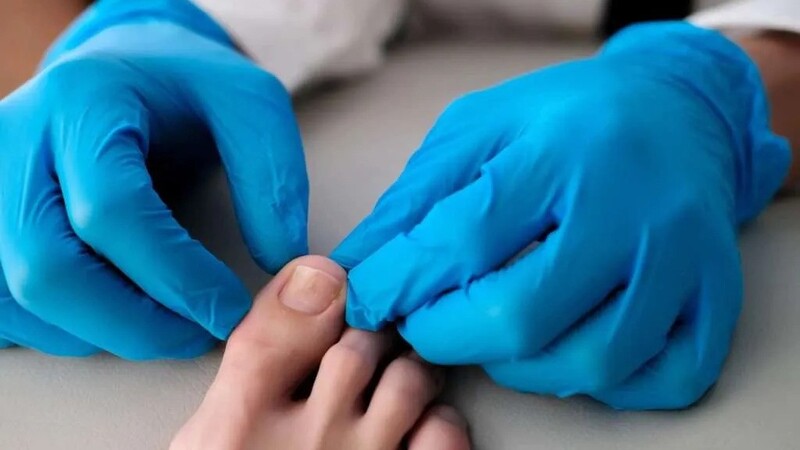
Children are also prone to foot issues unrelated to bone structure, including plantar warts, ingrown toenails, and fungal infections picked up from shared locker rooms or pool areas. These conditions are usually treated conservatively first.
| Condition | Typical First-Line Approach | When Further Care Is Needed |
| Plantar warts | Topical treatment, padding | Recurrent or painful lesions |
| Ingrown toenails | Proper trimming, footwear adjustment | Infection, recurring ingrowth |
| Flexible flat feet | Observation, supportive shoes | Pain, rigidity, or asymmetry |
| Toe walking | Stretching, monitoring | Persistent pattern past toddler years |
Ingrown toenails in particular can become infected quickly in active kids, so a nail that is red, swollen, or draining should be checked rather than managed solely at home.
Sports-Related Injuries and Growth Plate Concerns
Active children involved in running, soccer, or dance are more susceptible to overuse injuries like sever’s disease, an inflammation of the heel’s growth plate common during growth spurts. Because growth plates are softer than mature bone, injuries that might be minor in an adult can affect a child’s developing foot structure differently. A specialist can distinguish between growth-related discomfort and an injury that needs imaging or bracing.
Common signs that warrant a visit include:
1. Limping or favoring one foot after activity
2. Heel or arch pain that increases with sports
3. Swelling that does not improve with rest
4. A visible change in foot shape or walking pattern
Frequently Asked Questions
At what age should a child first see a foot specialist? There is no single age requirement, but a visit is reasonable any time a parent notices persistent pain, an unusual walking pattern, or a foot shape that is not improving with age.
Will my child need surgery for flat feet or intoeing? Most flexible flat feet and rotational gait differences improve with growth and conservative care; surgery is uncommon and reserved for cases that do not respond to other treatment.
Are ingrown toenails serious in children? They can become infected if left untreated, so persistent redness, swelling, or drainage should be evaluated promptly.
How often should a child with a diagnosed foot condition be seen? Follow-up frequency depends on the specific condition, but many gait and growth-related issues are monitored every few months during active growth periods.
Pediatric foot concerns range from conditions a child will outgrow to issues that need structured care over time, which makes an informed evaluation useful for most families. For ongoing pediatric foot care in the Fulshear area, Fulshear Foot and Ankle offers exams and treatment planning tailored to growing feet.