
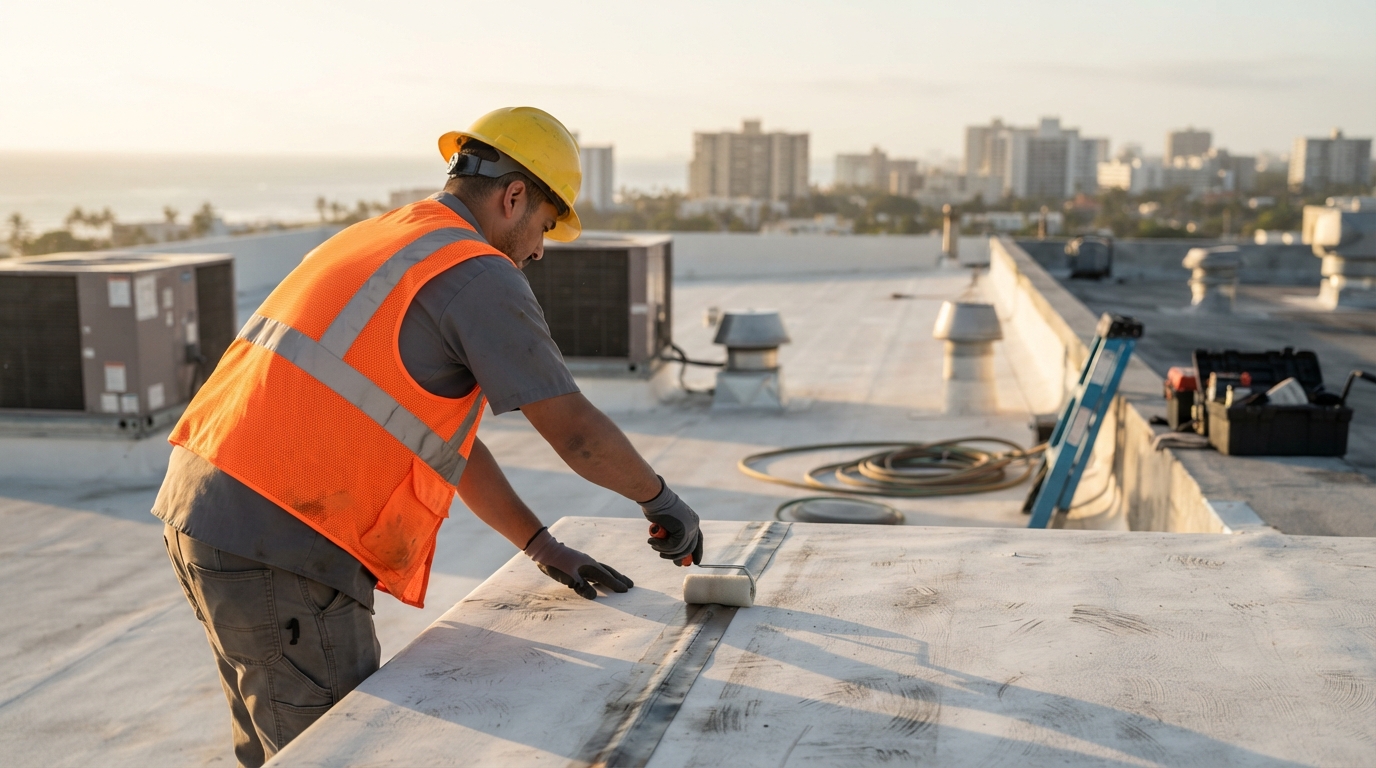
Property owners searching for the right roof type usually want one answer: which system holds up best against Florida heat, humidity, and storm activity while staying within budget. The short answer is that no single roofing system fits every building, but the decision generally comes down to matching slope type, drainage needs, and expected service life to the property’s use.
Jacksonville’s coastal climate adds pressure to that decision. High humidity, intense UV exposure, and seasonal tropical storms mean a roof chosen for a different region may underperform here. A qualified commercial roofing service in Jacksonville, FL can assess these local conditions before recommending a system, since material performance varies significantly based on exposure and building design.
What Drives the Roofing System Decision
Commercial roofs are not interchangeable with residential shingles. Most commercial buildings have flat or low-slope roofs, which changes how water drainage, insulation, and membrane seams are engineered.
Key factors that typically shape the choice include:
- Roof slope and existing drainage design
- Building height and wind exposure
- Rooftop equipment load, such as HVAC units
- Expected lifespan versus maintenance budget
- Local code requirements for wind uplift resistance
Florida’s building code addresses wind resistance directly because of the state’s hurricane exposure. The florida building commission maintains statewide standards that influence material and fastening requirements for commercial roof assemblies, particularly in coastal counties like Duval.
Common Commercial Roofing System Types
Most low-slope commercial properties in the Jacksonville area fall into a few established categories. Each has different installation methods, maintenance expectations, and lifespan ranges.
Single-Ply Membrane (TPO/PVC) These reflective membranes are lightweight and seam-welded, which helps resist water intrusion on flat roofs. They are a common choice for retail, office, and warehouse buildings due to their energy-reflective surface.
Modified Bitumen This multi-layer asphalt-based system offers strong puncture resistance, making it suitable for buildings with heavy foot traffic or rooftop equipment access.
Metal Roofing Systems Standing-seam metal panels perform well in high-wind regions and can be engineered to meet local uplift codes, though installation costs run higher upfront.
Built-Up Roofing (BUR) A layered system of asphalt and reinforcing fabric, BUR remains a durable option for buildings prioritizing long-term weather resistance over lighter weight.
Comparing System Types at a Glance
| System Type | Best Suited For | Maintenance Level |
| Single-Ply (TPO/PVC) | Office, retail, light industrial | Low to moderate |
| Modified Bitumen | High foot-traffic rooftops | Moderate |
| Standing-Seam Metal | High-wind, long-term ownership | Low |
| Built-Up Roofing (BUR) | Large flat commercial roofs | Moderate to high |
Evaluating Local Climate and Maintenance Needs
Jacksonville’s humidity and heat accelerate wear on certain membrane types faster than in drier climates. Reflective systems such as TPO can help reduce rooftop heat absorption, which may ease strain on HVAC systems during peak summer months.
Routine inspection matters as much as material choice. A roof that is correctly installed but never inspected for ponding water, seam separation, or flashing wear will still fail prematurely. Property managers should schedule inspections at minimum twice a year and after any major storm event.
Drainage design deserves particular attention on flat roofs, since standing water is one of the most common causes of membrane failure in low-slope systems. Tapered insulation or additional drains can correct chronic ponding issues before they shorten the roof’s service life.
Making the Final Decision
Choosing a system is not purely about upfront cost. Lifespan, warranty terms, and climate suitability all affect total ownership cost over 15 to 30 years, depending on the material.
Property owners should request a written roof assessment that documents:
- Current roof condition and remaining lifespan
- Drainage performance and any ponding areas
- Recommended system type with rationale
- Estimated maintenance schedule post-installation
This documentation supports better budgeting decisions and gives facility managers a reference point for future repairs or replacement planning.
Frequently Asked Questions
How long do commercial roofing systems typically last in Jacksonville? Lifespan varies by material and maintenance quality, generally ranging from 15 years for some single-ply systems to 30 years or more for well-maintained metal or BUR systems.
Does Florida have specific wind-resistance requirements for commercial roofs? Yes. The Florida Building Code sets wind uplift and fastening standards that vary by region and building height, with coastal counties like Duval often subject to stricter requirements.
How often should a commercial roof be inspected? Most facility managers schedule inspections twice yearly, with additional checks after significant storms or heavy rain events.
Can an existing roof be recoated instead of replaced? In some cases, yes, particularly for single-ply or metal systems in otherwise sound condition. A full inspection is needed to confirm whether the existing substrate can support a coating system.
Selecting the right commercial roofing system comes down to matching material performance to the building’s specific exposure, drainage needs, and long-term maintenance plan. Property owners in the Jacksonville area who want a professional assessment of their current roof condition can consult Top Gun Roofing, Inc for a system evaluation tailored to local climate demands.

