Quick Summary:
- Active leaks and storm damage require immediate stabilization to limit water intrusion into insulation, drywall, and electrical systems before permanent repairs can be completed.
- Miami-Dade County’s High-Velocity Hurricane Zone (HVHZ) building code affects the requirements for temporary and permanent roof repairs.
- Licensed metal roofing contractors provide emergency repairs, storm damage restoration, and leak detection for residential and commercial properties throughout the Miami area.
When a roof begins leaking during a storm or sudden structural damage exposes your home to the elements, the priority is to arrange a prompt inspection and temporary stabilization, followed by permanent repairs. Acting quickly can help minimize water damage to ceilings, insulation, and electrical systems.
Homeowners searching for Emergency Roof Repair in Miami, FL from Easy roofing pros, LLC, may be dealing with an active leak, wind-damaged shingles or metal panels, or storm debris that has compromised the roof deck. Miami’s tropical storms and hurricane season make roof damage a recurring concern for residential and commercial property owners. Addressing the problem typically involves a structured process, beginning with an inspection and temporary protection, followed by the necessary permanent repairs.
What Happens During an Emergency Roof Call
A qualified roofing contractor follows a structured process when responding to an active leak or storm damage, rather than jumping straight to a full repair.
- Assess safe access – technicians check weather conditions and roof stability before climbing onto the structure.
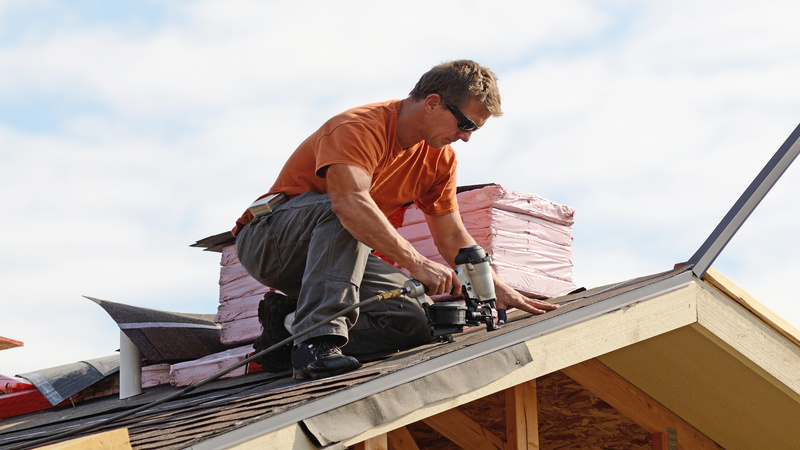
- Install temporary protection – this often means a tarp secured with weighted battens, or a compatible patch on flat and metal roofs.
- Document the damage – photos, notes, and measurements are recorded before repairs begin, which supports any insurance claim.
- Schedule the permanent repair – full repairs are completed once weather clears and safe access is confirmed.
This staged approach reflects standard practice among Miami-area roofers, where emergency response is treated as stabilization first and permanent repair second.
Why Miami’s Climate Changes the Repair Approach
South Florida’s building code adds another layer of consideration to emergency work. Miami-Dade sits within a High Velocity Hurricane Zone, meaning roofing materials and repair methods must meet stricter wind-resistance standards than in most other parts of the country, as outlined in the Florida Building Code. This affects everything from the fasteners used in temporary patches to the permitting required for permanent repairs.
Metal roofing is common in the region because of its resistance to wind uplift and corrosion, but it still requires specialized emergency techniques. Certified metal roofing contractors respond to issues such as:
- Seam separation or leaks along standing seam panels
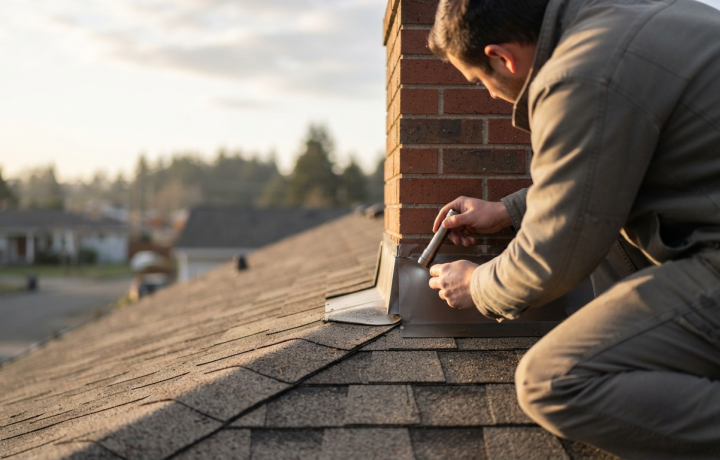
- Flashing damage around vents, chimneys, and roof edges
- Wind-lifted or missing panels after a storm
- Water intrusion at valleys, seams, and joints
Contractors experienced in energy-efficient installations and full metal roof replacement typically bring this same expertise to emergency repairs, since the materials and fastening systems require specific handling.
Residential vs Commercial Emergency Response
The stakes and logistics differ depending on the type of property affected. The table below outlines common distinctions.
| Factor | Residential Roofs | Commercial Roofs |
| Primary concern | Interior water damage, family safety | Business interruption, inventory protection |
| Common materials | Shingle, tile, metal | Metal, flat/low-slope membrane |
| Response priority | Stop active leak quickly | Keep operations running without interruption |
| Follow-up | Scheduled permanent repair | Often paired with inspection and maintenance plan |
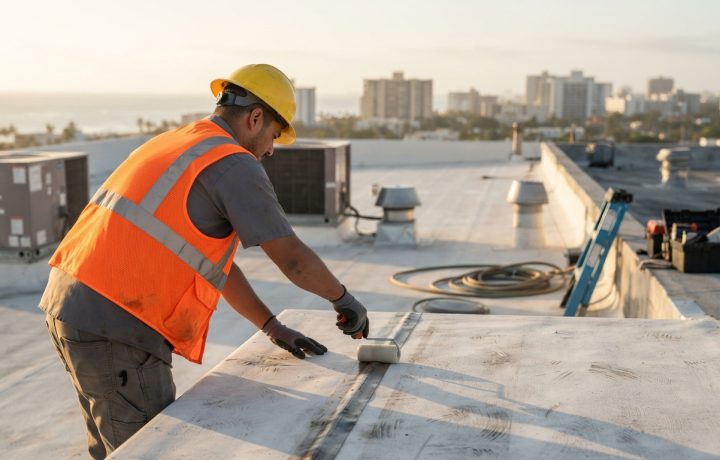
Commercial property owners in particular benefit from a contractor who can respond quickly and keep a business protected and operating without interruption, since downtime often carries a direct financial cost beyond the roof damage itself.
Choosing a Roofer for Urgent Repairs
Not every roofing company offers true around-the-clock response. Before an emergency happens, it helps to confirm a few details with any contractor you plan to call:
- Do they offer 24-hour availability for active leaks and storm damage.
- Are they licensed to work within Miami-Dade’s hurricane zone code requirements.
- Can they handle both temporary stabilization and the full permanent repair afterward.
- Do they work with your specific roof material, whether metal, tile, shingle, or flat.
A licensed metal roofing contractor serving the Miami and Hialeah area, offering emergency repairs alongside routine maintenance, inspections, and full metal roof replacement for residential and commercial properties.
Frequently Asked Questions
How quickly should I call a roofer after discovering a roof leak?
→ Contact a roofer as soon as you notice water intrusion. Same-day stabilization limits damage to insulation, drywall, and electrical systems before the source can be permanently repaired.
Will a tarp or temporary patch actually stop the leak?
→ A properly installed tarp or patch is designed to slow or stop the interior drip until conditions allow for a full, permanent repair, but it is not a lasting fix on its own.
Does emergency roof repair work differ after a hurricane versus a regular storm?
→ Yes. After a named storm, safe conditions must be confirmed before crews can access the roof, which can affect response timing even when the damage is severe.
What roof materials are most common for emergency repairs in Miami?
→ Metal, tile, asphalt shingle, and flat or low-slope roofs each require different temporary and permanent repair techniques suited to Miami-Dade’s wind and rain exposure.
An unaddressed roof leak can quickly turn a manageable issue into a costly interior repair project. Find Easy Roofing Pros, LLC on Google Maps to understand the standard emergency response sequence, from temporary stabilization to permanent repairs, so homeowners and business owners can make faster, more informed decisions when storms or structural failures strike.