Briefly:
• A dependable artificial turf supplier verifies product origin, warranty terms, and material durability before any installation begins.
• San Antonio’s heat, clay soil, and drought rules make heat-stable fibers and proper base prep especially important.
• Licensing, clear sod-versus-turf terminology, and documented delivery practices help distinguish credible suppliers from resellers.
Homeowners and contractors searching for a reliable artificial turf supplier are usually trying to answer one question: how do I know this product will hold up in Texas heat without fading, matting, or failing early. The short answer involves checking fiber quality, base preparation standards, and supplier transparency before signing any contract.
Finding a qualified artificial turf supplier San Antonio TX matters more in South Texas than in milder climates, since synthetic surfaces here face sustained summer heat and irregular rainfall. Selecting a supplier without verifying these factors can lead to premature wear, poor drainage, or warranty disputes down the line.
Why Supplier Selection Affects Long-Term Turf Performance
Not every turf product performs the same way once installed. Suppliers vary in how they source fiber, document warranties, and prepare ground before laying material.
• Fiber composition determines UV resistance and color retention over time.
• Backing quality affects drainage and how well the surface resists mold or mildew buildup.
• Base preparation influences whether the turf stays flat as soil shifts beneath it.
According to Washington State Department of Health guidance on artificial turf, backing materials contribute directly to stability, durability, wear resistance, and drainage performance, while infill choices affect cushioning and how upright the fibers remain over time. Buyers should ask any supplier which backing and infill materials are used and why, since these details affect how long a lawn stays functional.
Core Qualities That Separate Reliable Suppliers From Resellers
A supplier worth considering typically demonstrates a few consistent traits rather than relying on marketing claims alone.
1. Clear licensing and documentation. Suppliers operating under state agricultural licensing or similar oversight tend to follow more consistent sourcing and handling standards.
2. Transparent terminology. A supplier who can clearly explain the difference between sod, grass, and turf is more likely to recommend the right product for a given yard rather than a one-size-fits-all solution.
3. Defined service scope. Reputable suppliers state plainly whether they serve homeowners only, commercial contractors, or both, rather than overselling capacity.
4. Delivery and handling practices. Fast, careful delivery timing matters for any turf-related material, since improper handling before installation can affect how well a product performs once placed.
What to Check Before Committing to a Supplier
Buyers in San Antiono, TX should factor in local climate stress before finalizing a decision. The city’s prolonged high-heat stretches and periodic drought restrictions place extra demand on any outdoor surface material, synthetic or natural.
| Factor | Why It Matters in San Antonio, TX |
| Heat tolerance | Extended periods above 90°F can stress poorly rated materials |
| Drainage design | Clay-heavy soils in parts of Bexar County slow water runoff |
| Base compaction | Uneven ground movement can cause rippling without a stable base |
| Licensing status | Agricultural or landscaping licensure signals baseline accountability |
Before finalizing any purchase, it helps to request documentation on fiber type, ask how the supplier handles base preparation recommendations, and confirm whether pricing includes delivery or installation coordination. Suppliers who answer these questions directly, without vague reassurances, are generally easier to hold accountable later.
Frequently Asked Questions
Does artificial turf require less water than natural grass once installed? Synthetic turf does not require routine irrigation the way living grass does, which can matter in areas facing municipal watering restrictions. Homeowners should still confirm any local rules about surface drainage or runoff that may apply to synthetic installations.
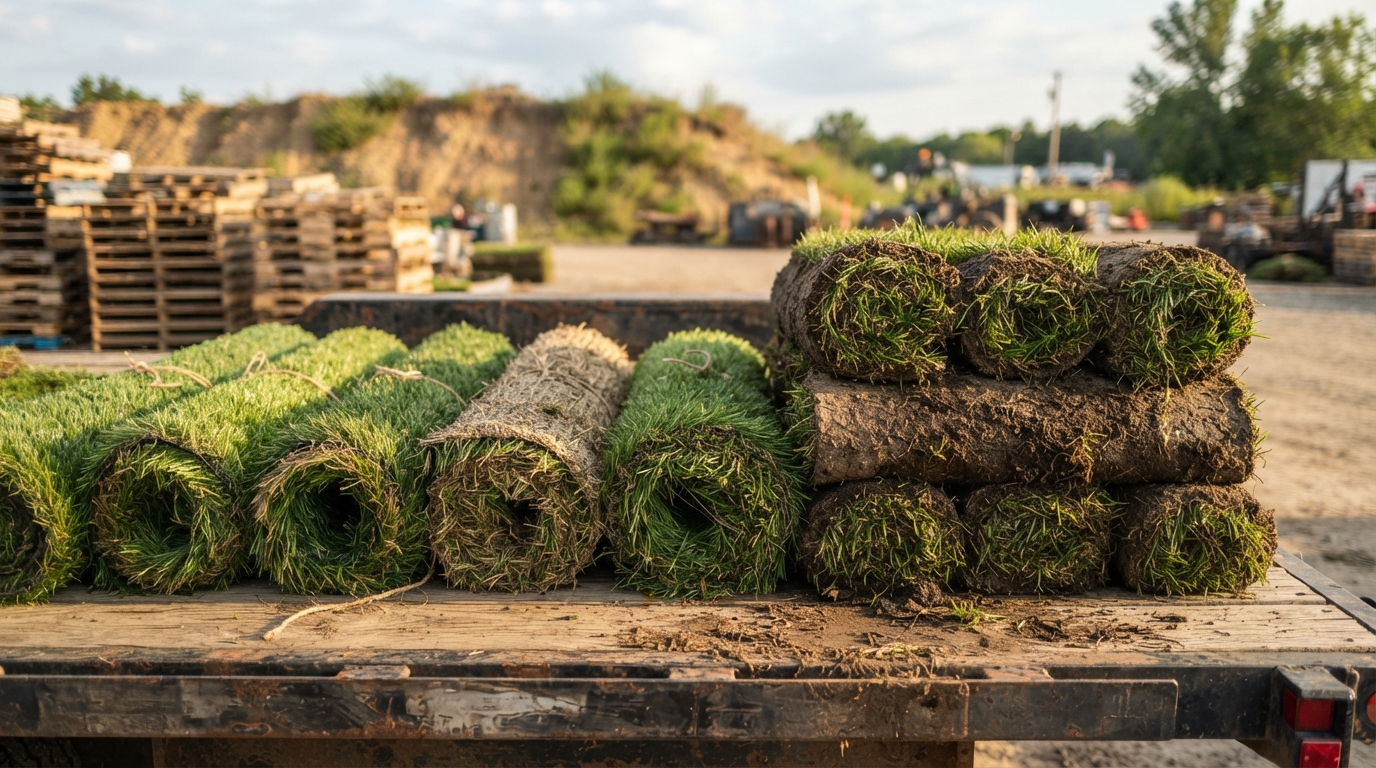
What is the difference between sod and turf? Sod refers to pre-grown natural grass harvested with soil and roots attached for immediate installation, while turf is a broader term that can describe either the grass surface layer or synthetic material used as a substitute. Clarifying this distinction with a supplier helps avoid confusion when comparing products.
How does San Antonio’s climate affect synthetic turf choice? Materials need strong UV stabilization to resist fading and heat distortion during long summer stretches. Base preparation also matters more in areas with clay-heavy or caliche soils that shift with moisture changes.
Business Information and Next Steps
Based in the USA, The Grass Company is a licensed turf supplier serving residential and commercial clients, offering sod and turf-related products suited to regional soil and climate conditions. The Grass Company proudly serves customers across San Antonio, TX, providing material options for homeowners, landscapers, and developers.
Additional details on product options and service terms are available by requesting information directly, and readers can Visit Website for further specifics.