Key takeaway:
• A water treatment consultation typically includes a water test, an inspection of plumbing and existing equipment, and a review of household water usage.
• Expect a written recommendation that explains what is in your water and which equipment options address it.
• A reputable provider will explain costs, maintenance needs, and expected results before any installation begins.
A consultation with a water treatment company is the first step toward identifying what is actually in your water supply and which equipment, if any, can address it. Most consultations combine an on-site water test with a walkthrough of your home’s plumbing to determine the right filtration or softening setup.
Homeowners searching for a water treatment company are usually dealing with a specific symptom: hard water spots, odd smells, low pressure, or appliances wearing out faster than expected. A consultation turns those symptoms into measurable data, which is the only reliable way to match a home with the correct equipment rather than guessing based on marketing claims.
What Happens Before the Technician Arrives
Most companies ask a few questions by phone or online before scheduling a visit. This helps them bring the right testing equipment and anticipate common issues in the area’s water supply.
• Source of water (municipal supply or private well)
• Known concerns, such as staining, scale buildup, or taste and odor issues
• Age and type of existing plumbing or water treatment equipment
• Household size and daily water usage patterns
This information lets the technician prepare a more focused visit instead of a generic walkthrough. It also helps set realistic expectations about how long the appointment will take.
The On-Site Water Test and Inspection
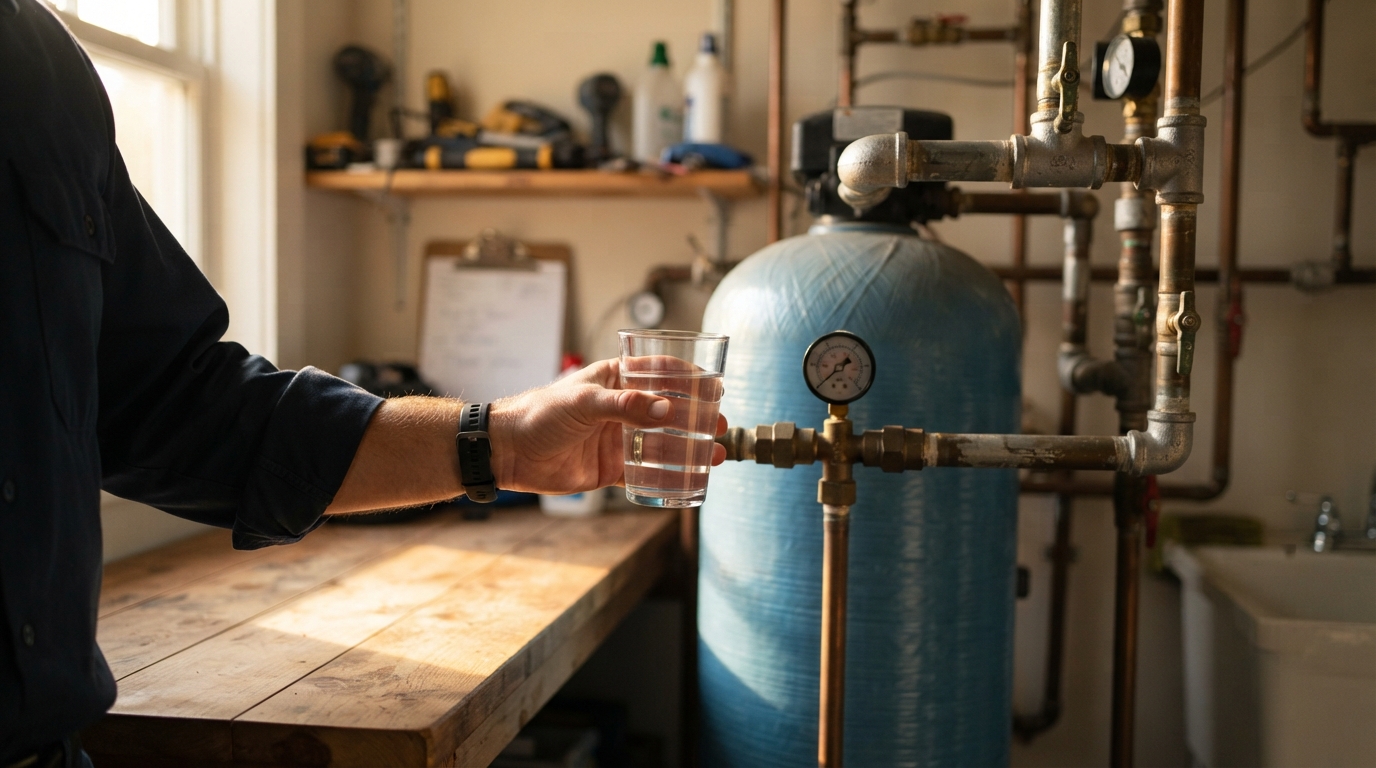
The core of any consultation is water testing. A technician typically checks for hardness, pH, iron, and other common contaminants using on-site test kits designed for residential water analysis.
According to the EPA’s guidance on private drinking water wells, homeowners relying on well water are responsible for testing their own supply regularly, since it is not regulated the same way as public systems. This makes an in-home consultation especially useful for well owners who may not have recent water quality data.
During the inspection, expect the technician to:
1. Test water samples from at least one tap, often the kitchen or a bathroom closest to the main line.
2. Inspect visible plumbing for scale buildup, corrosion, or mineral staining.
3. Check existing water treatment equipment, if any, for wear or inefficiency.
4. Ask about specific complaints, such as dry skin, spotted dishes, or slow drains.
This step is diagnostic, not sales-driven. A legitimate consultation should explain the test results in plain terms before recommending any product.
Reviewing Results and Equipment Options
Once testing is complete, the technician should walk through the findings and explain what they mean in practical terms. This is the point where equipment recommendations come into play, based strictly on what the water test shows.
| Water Issue Identified | Common Equipment Discussed | Primary Benefit |
| Hard water (calcium/magnesium) | Water softener | Reduces scale buildup on fixtures and appliances |
| Sediment or particles | Sediment filter | Improves clarity and protects downstream equipment |
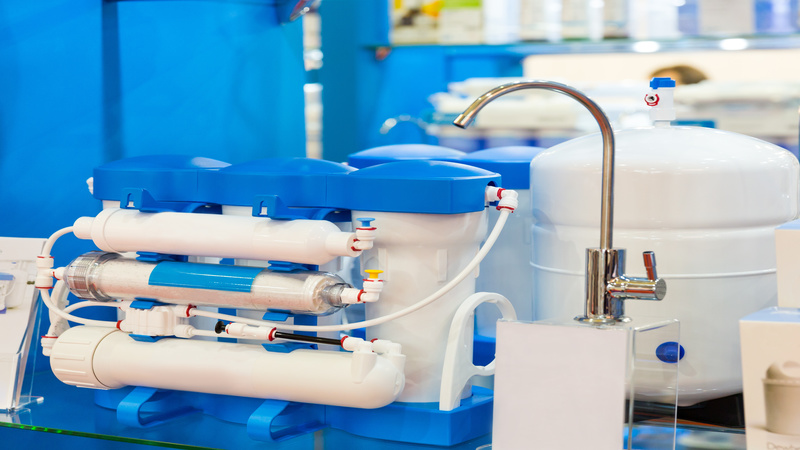
| Chlorine taste or odor | Carbon filtration | Improves taste and smell |
| Iron staining | Iron filtration system | Reduces rust-colored staining on fixtures |
A trustworthy provider will connect each recommendation directly to a test result rather than presenting a one-size-fits-all package. If a consultant cannot explain why a specific system addresses your specific water issue, that is a reason to ask more questions or get a second opinion.
What a Written Recommendation Should Include
After the test and walkthrough, expect a written summary rather than a verbal pitch alone. A clear proposal typically covers:
• The specific contaminants or hardness levels found
• Recommended equipment and why it fits the household’s needs
• Estimated installation timeline
• Maintenance requirements, such as filter changes or salt refills
• Total cost, including any ongoing service expectations
Homeowners should feel comfortable taking this proposal home to review before committing. A consultation that pressures same-day decisions without time to consider options is not standard practice for reputable providers in this field.
Frequently Asked Questions
Is a water treatment consultation free? Policies vary by provider, so it is worth confirming cost expectations when scheduling. Many companies offer a no-cost initial water test as part of the consultation process.
How long does a typical consultation take? Most in-home visits run between 30 and 60 minutes, depending on the size of the home and how many fixtures are tested.
Do I need a consultation if I already know my water is hard? Yes, because a consultation identifies the degree of hardness and any secondary issues, such as iron or sediment, that general knowledge alone cannot reveal.
Will the consultant try to sell me equipment I do not need? A consultation focused on accurate testing should only recommend equipment tied to documented results, not a standard package applied to every home.
A water treatment consultation gives homeowners a clear, data-backed picture of their water quality before any purchase decision is made. For residents evaluating their options locally, McAleer Water Conditioning offers in-home water testing and equipment consultations based on the specific conditions found in each household’s water supply.