At glance:
• Water damage mitigation works best when standing water is removed and drying begins within 24 to 48 hours.
• Professional response typically includes inspection, extraction, drying, cleaning, and restoration of affected materials.
• Services for the Joliet, IL area are based out of Bolingbrook, IL, with response available for residential and commercial properties.
A burst pipe, overflowing appliance, or storm-driven flood can soak flooring and drywall within minutes, which is why emergency water damage restoration in Joliet IL depends on a fast, structured response rather than a single repair step. The process generally unfolds in stages: assessment, water extraction, drying and dehumidification, cleaning, and material repair or replacement. Each stage depends on the one before it, and skipping steps often leads to hidden moisture problems later.
Addressing water intrusion quickly matters for more than comfort. The Environmental Protection Agency notes that it is important to dry water-damaged areas and items within 24-48 hours to prevent mold growth. That short window is why restoration companies treat the first hours after a leak or flood as the most consequential part of the entire job. Visit Parkside Restoration Online to learn more about its water damage response.
Why Response Time Shapes the Outcome
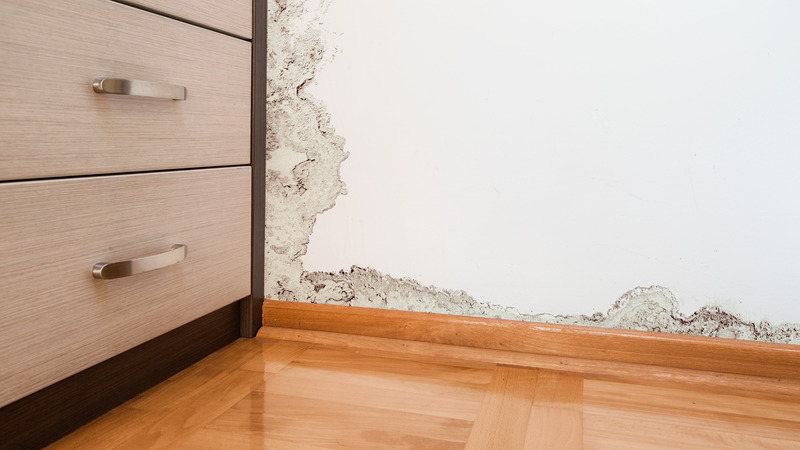
Homes built decades ago, along with newer developments across Joliet, IL, share one vulnerability: materials like drywall, carpet padding, and wood subflooring absorb moisture quickly. Once saturated, these materials can begin supporting mold growth in as little as one to two days.
Local weather patterns add pressure to that timeline. Heavy spring rains and seasonal thaw cycles common in the region can overwhelm sump pumps or saturate soil around foundations, increasing the risk of basement seepage. Delayed response in these conditions can mean the difference between a surface-level drying job and a full remediation project involving subfloor removal.
Three factors typically influence how quickly damage spreads:
• Water source: Clean water from a supply line behaves differently than contaminated water from sewage backup.
• Material type: Porous materials like carpet and drywall absorb and hold moisture longer than tile or sealed concrete.
• Ventilation and humidity: Poor airflow slows evaporation and extends drying time significantly.
What the Restoration Process Typically Involves
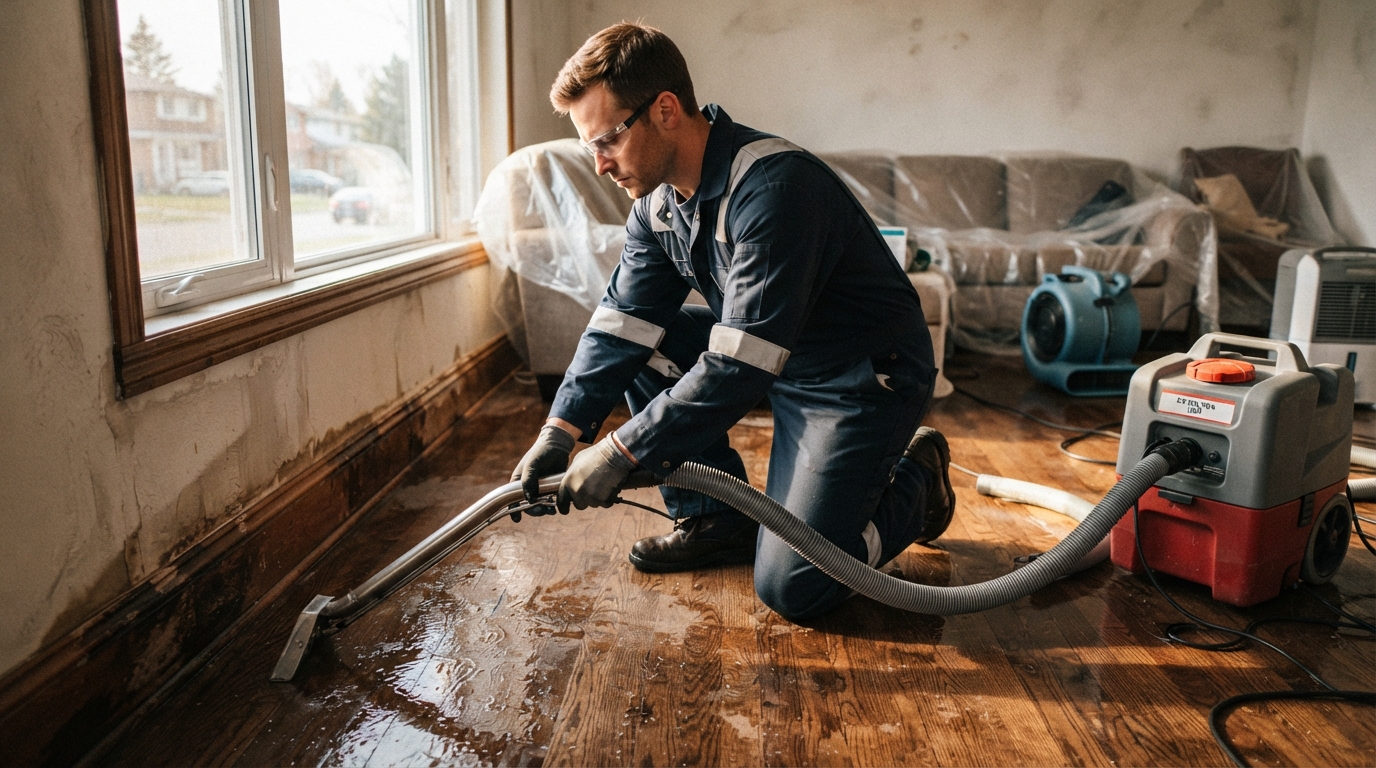
A structured response generally follows a sequence rather than a single visit. According to information published by the company serving the area, professional water damage cleanup services help remove standing water, address affected materials, and prepare the property for proper drying.
1. Inspection and moisture mapping to identify the source and extent of water intrusion.
2. Water extraction using pumps and vacuums to remove standing water.
3. Structural drying with air movers and dehumidifiers to reduce residual moisture in walls and flooring.
4. Cleaning and sanitizing surfaces affected by contaminated water or prolonged dampness.
5. Repair or replacement of materials that cannot be fully dried, such as saturated drywall or insulation.
| Restoration Stage | Primary Goal | Typical Timeframe |
| Inspection | Identify source and scope | Same day as call |
| Extraction | Remove standing water | Hours 1-6 |
| Drying | Reduce moisture in materials | Days 1-4 |
| Cleaning/Repair | Restore affected areas | Varies by damage extent |
Common Causes Behind Water Emergencies
Water damage calls in the region tend to trace back to a handful of recurring causes. Recognizing them helps property owners respond faster when an incident occurs.
• Burst or frozen pipes during winter cold snaps
• Sump pump failure during heavy rainfall
• Washing machine or water heater line ruptures
• Roof leaks following storm damage
• Sewage backups tied to municipal line issues
Each cause requires a slightly different mitigation approach, particularly when contaminated water is involved, since sanitizing protocols differ from those used for clean water losses.
Business Information
Based in Bolingbrook, IL, Parkside Restoration serves customers throughout Joliet, IL, offering water damage restoration, fire and smoke damage repair, mold remediation, and sewage cleanup. The company also works with insurance providers to help property owners document damage and process claims related to water-related losses.
Frequently Asked Questions
How soon should water damage be addressed after a leak or flood? Drying should begin within 24 to 48 hours to limit the risk of mold growth, consistent with guidance from the EPA on moisture control in homes.
Is contaminated water handled differently than clean water damage? Yes. Water from sewage or flooding typically requires additional sanitizing steps compared to water from a clean supply line break.
Can water damage restoration help with insurance claims? Restoration companies often document damage and work with insurance providers, though claim approval and coverage terms depend on the individual policy.
What happens if drywall or flooring cannot be fully dried? Materials that remain saturated beyond the recommended drying window are often removed and replaced to prevent long-term mold or structural issues.
Property owners dealing with an active leak or flood benefit from documenting the damage with photos before cleanup begins, since this record often supports insurance review. For published location and contact information, readers can Visit the Google Maps Listing for Parkside Restoration.