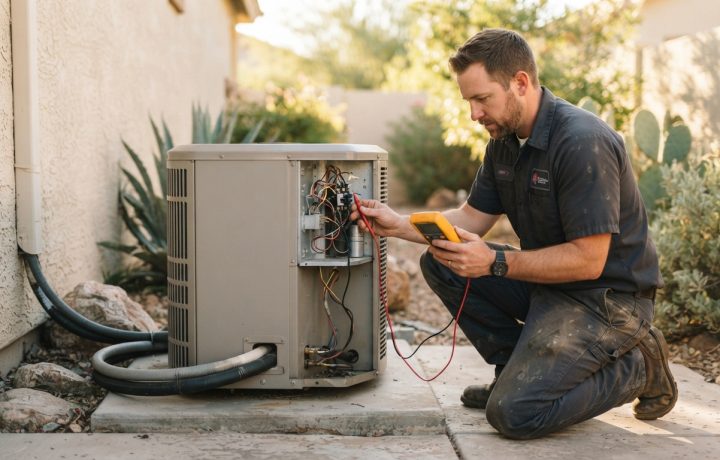
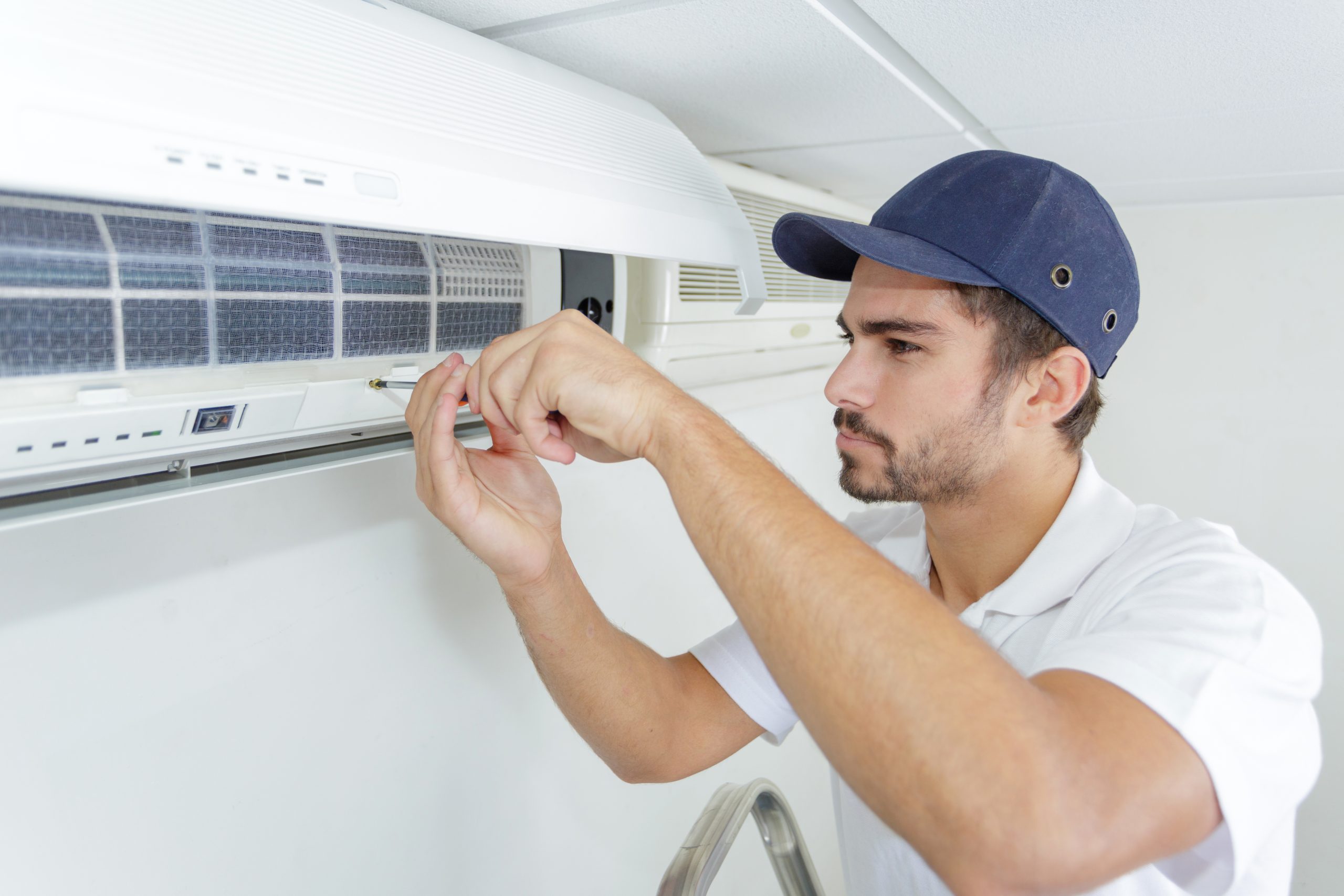
Summer can arrive quickly in Castle Rock, and a dependable cooling system makes hot afternoons much more comfortable. If your current unit struggles to keep rooms cool, needs frequent repairs, or is nearing the end of its service life, it may be time to plan an upgrade. Homeowners researching local options may search for AC installation in Castle Rock, CO to find information about choosing and installing a system suited to their home.
Start with a Home Comfort Assessment
Before selecting equipment, consider how your home handles heat. Note which rooms feel warmest, whether temperatures vary between floors, and if the system runs constantly or cycles on and off too often. These details can help an HVAC professional identify potential issues with insulation, ductwork, airflow, or the existing equipment.
A proper assessment should include more than checking the size of the old unit. The home’s square footage, layout, window exposure, insulation, ceiling height, and number of occupants all affect cooling needs. An oversized system may cool quickly but shut off before it adequately removes humidity. An undersized one may run for long periods without keeping up. A load calculation helps determine an appropriate capacity.
Choose the Right System and Features
Central air conditioning is a common choice for homes with compatible ductwork, while ductless mini-splits can provide targeted comfort in additions, finished basements, or rooms without ducts. Your home’s layout and existing infrastructure will help guide the decision.
When comparing systems, look beyond the purchase price. Ask about energy-efficiency ratings, expected operating costs, warranty terms, and the features that matter most to your household. Variable-speed equipment, for example, can adjust its output to changing conditions, potentially supporting steadier temperatures and quieter operation. A programmable or smart thermostat can also help manage schedules and avoid cooling an empty home unnecessarily.
Ask for a clear estimate that explains equipment, labor, any ductwork changes, and other related costs. Confirm what is included before work begins, and discuss the project timeline so you can plan around installation day.
Prepare for Installation Day
A little preparation can help the work go smoothly. Clear a path to the indoor equipment and outdoor installation area, move fragile belongings, and secure pets in a comfortable space away from the work zone. If the installation requires access to an attic, crawl space, or utility area, clear those areas as well.
Before the crew leaves, ask for a walkthrough. You should know how to operate the thermostat, change or clean the filter, and identify the recommended maintenance schedule. The installer should test the system, check airflow, and explain what to expect during normal operation. Keep the paperwork, warranty details, and equipment information in an accessible place.
Protect Your Investment Before the Heat Arrives
Scheduling an installation before peak summer demand can give you more flexibility and time to address unexpected work. Once the system is in place, regular filter changes and professional maintenance can support reliable performance. Keep outdoor equipment clear of leaves, grass, and other debris, and contact a qualified technician if you notice unusual noises, weak airflow, or inconsistent cooling.
The best summer preparation combines careful planning, correctly sized equipment, and a professional installation. By assessing your home’s needs, comparing suitable options, and preparing for the work, you can improve comfort and head into warmer weather with greater confidence.