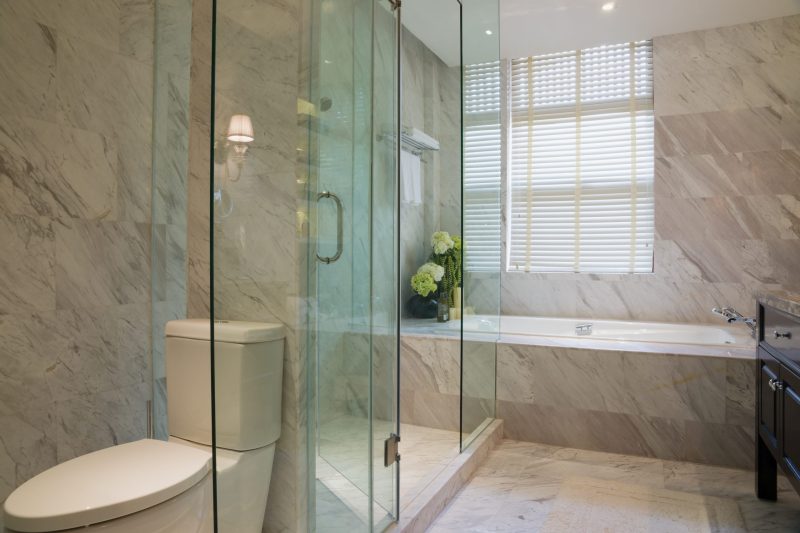
A bathroom renovation can make daily routines more comfortable while improving the function and appearance of your home. Before choosing tile or fixtures, define what you want the finished space to do. If you’re comparing local services online, the search phrase Bath remodel waukesha can help you find professionals familiar with projects in the area.
Start With Your Needs and Budget
Think about what is and isn’t working in your current bathroom. Limited storage, poor lighting, an awkward layout, or a tub that’s difficult to access may guide your priorities. Consider who uses the room, how those needs could change, and whether you’re updating a primary bath, a guest bathroom, or a shared family space.
Set a realistic budget before selecting materials. Include labor, fixtures, finishes, and a contingency for unexpected issues behind walls or under flooring. Older plumbing, water damage, or outdated wiring may affect the scope of work. A qualified remodeler can assess the space and explain which improvements are essential, which are optional, and how different choices may influence the overall cost.
Plan the Layout Before Picking Finishes
A thoughtful layout can improve comfort without requiring a larger footprint. Review the placement of the shower or tub, vanity, toilet, doors, and storage. Keeping plumbing in its current location may help control costs, while moving fixtures could make the room work better. Ask a professional to compare the trade-offs before finalizing the plan.
Accessibility is worth considering, even if it isn’t an immediate need. A low-threshold shower, grab-bar blocking inside the walls, wider clearances, and slip-resistant flooring can make a bathroom easier to use over time. Good ventilation matters, too: an appropriately sized exhaust fan helps manage moisture and protect paint, grout, and building materials.
Choose Materials for Daily Use
Bathroom finishes need to handle humidity, frequent cleaning, and everyday wear. Porcelain tile is a popular choice for floors and shower walls, while durable countertop surfaces can simplify upkeep. Look beyond appearance when comparing products: ask how a material should be cleaned, whether it needs sealing, and how well it may hold up in a busy household.
Lighting also deserves attention. A combination of overhead lighting and well-positioned vanity lights can make the room more useful throughout the day. For a softer atmosphere, consider a dimmer where appropriate. Storage—such as recessed shelving, vanity drawers, or a medicine cabinet—can reduce clutter and keep essentials close at hand.
Understand the Work Schedule
Before work begins, confirm what the project includes, the expected timeline, payment terms, and how changes will be handled. Ask who will coordinate permits, inspections, deliveries, and trade professionals. Get the agreed scope and key selections in writing, and clarify how the bathroom will be protected during construction.
Renovation can temporarily disrupt household routines, particularly when the space is the home’s only full bathroom. Discuss water shutoffs, access, cleanup, and a realistic schedule in advance. Clear communication helps you prepare for the work and address questions before they become delays.
A successful bathroom upgrade starts with a clear plan: identify your priorities, set a practical budget, choose durable materials, and review the layout and schedule with an experienced professional. Careful preparation can help create a more comfortable, functional room—and make the renovation process easier to manage from the first conversation through the final details.