
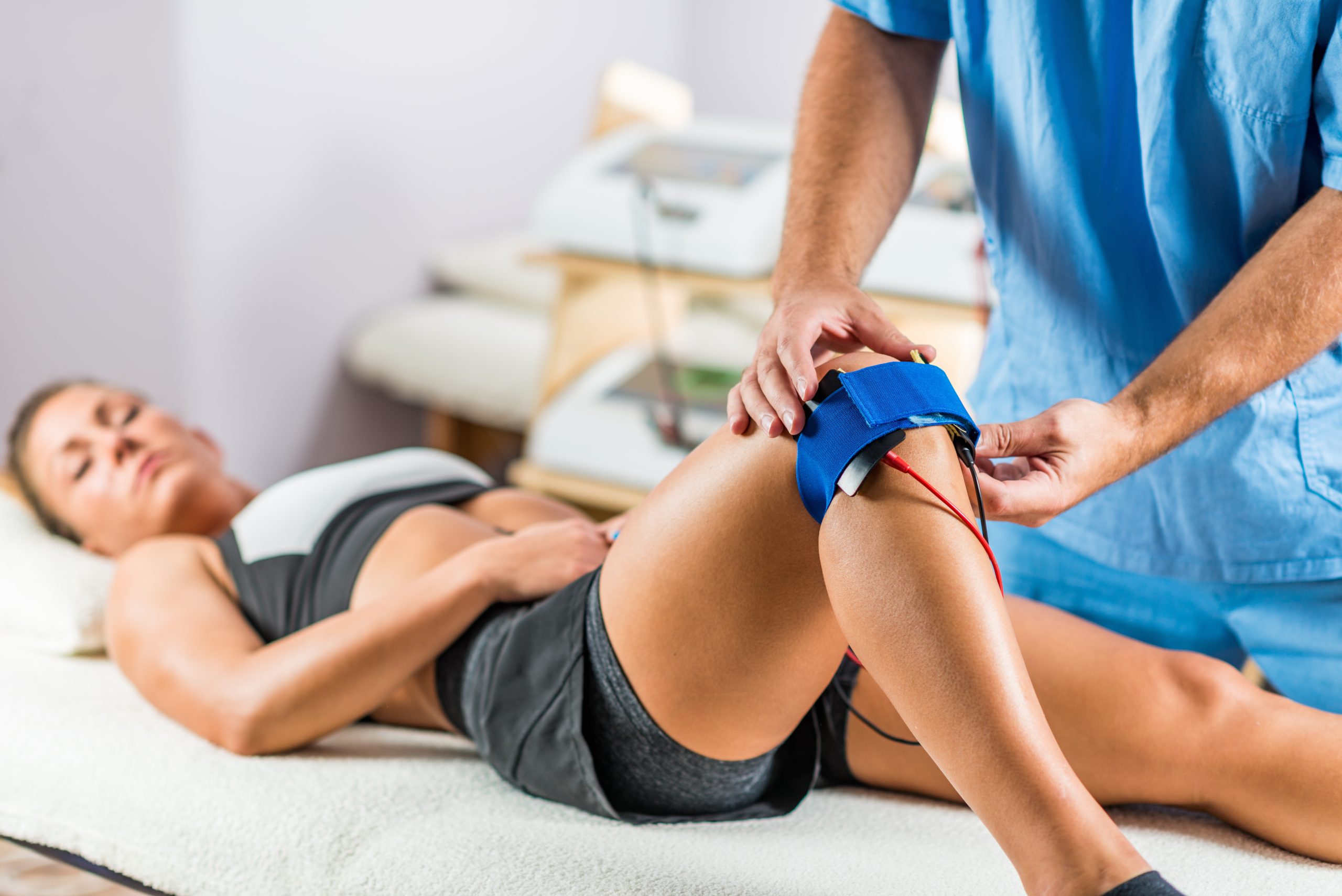
Osteoarthritis is a common condition that affects the knee joints, causing pain, stiffness, and swelling. Over time, this condition can lead to reduced mobility and a significant decrease in quality of life. Fortunately, knee decompression therapy offers a non-invasive solution to help manage osteoarthritis and slow its progression.
Knee decompression is a gentle, targeted therapy designed to reduce pressure on the knee joint, promote healing, and improve joint function. For those searching for knee decompression near me, this treatment can provide relief from the painful symptoms of osteoarthritis while supporting long-term joint health.
At Living Well Bainbridge, knee decompression for osteoarthritis is used to help individuals manage knee pain and restore function. This will explores how knee decompression works, its benefits for osteoarthritis, and how it can slow the progression of this common joint condition.
What Is Knee Decompression Therapy?
Knee decompression therapy is a non-surgical, non-invasive treatment that works by gently stretching the knee joint to relieve pressure on the bones and soft tissues. This stretching creates space between the bones, which reduces the compression on the cartilage and nerves, promoting the body’s natural healing process.
The goal of knee decompression is to improve joint health by:
- Reducing pressure on the knee joint
- Improving circulation and nutrient flow to the knee
- Promoting tissue repair and hydration
- Enhancing mobility and flexibility
This therapy can be particularly effective for people suffering from conditions like osteoarthritis, runner’s knee, or general knee pain. By restoring proper alignment and relieving pressure, knee decompression helps reduce pain and improve overall function.
How Does Knee Decompression Help Slow Osteoarthritis Progression?
Osteoarthritis occurs when the cartilage in the knee joint breaks down, causing the bones to rub against each other. This can lead to inflammation, pain, and stiffness. As the condition progresses, the damage to the cartilage can become more severe, and the knee’s function can become further limited.
Knee decompression helps slow the progression of osteoarthritis by:
1. Relieving Joint Pressure
By decompressing the knee joint, this therapy reduces the pressure on the cartilage and bones. With less pressure, the cartilage is less likely to experience further wear and tear, allowing it to retain its natural cushioning ability.
2. Enhancing Circulation
The decompression process improves blood flow to the knee joint, which delivers essential nutrients to the tissues and helps reduce inflammation. Better circulation supports the repair and regeneration of damaged tissues in the knee.
3. Improving Cartilage Health
Knee decompression helps to rehydrate the cartilage, which is essential for its function. This helps prevent further damage and supports the healing process, giving the knee joint a better chance of maintaining its functionality.
4. Reducing Pain and Inflammation
By reducing pressure and improving joint function, knee decompression therapy can alleviate the pain and swelling caused by osteoarthritis. This can provide significant relief for individuals who experience chronic discomfort due to this condition.
Knee Decompression for Runner’s Knee and Other Knee Conditions
Knee decompression therapy is also highly effective for treating runner’s knee (patellofemoral pain syndrome), a common condition caused by overuse or misalignment of the knee. This condition often leads to pain around the kneecap and can be aggravated by repetitive movements, such as running.
For individuals suffering from runner’s knee, knee decompression for runner’s knee can help alleviate the pain and improve joint function by:
- Reducing pressure on the knee joint
- Improving patellar tracking and alignment
- Enhancing circulation and reducing inflammation
Knee decompression therapy is not limited to osteoarthritis and runner’s knee—it can also help treat general knee pain, tendonitis, and injuries resulting from overuse or improper alignment. The therapy provides a non-invasive, drug-free solution to manage knee discomfort and improve mobility.
How Does Knee Decompression Compare to Other Treatments for Osteoarthritis?
While there are various treatments available for managing osteoarthritis, such as medication, physical therapy, and surgery, knee decompression offers a non-invasive alternative that doesn’t require the risks or recovery time associated with surgery.
Here’s how knee decompression compares to other common treatments for osteoarthritis:
Knee Decompression vs. Medication
Medications, such as pain relievers or anti-inflammatory drugs, can offer temporary relief but don’t address the underlying cause of knee pain. Knee decompression works to reduce joint pressure and support healing, offering long-term benefits without the need for drugs.
Knee Decompression vs. Surgery
Surgery is often considered a last resort for treating severe osteoarthritis, but it comes with risks such as infection, long recovery times, and potential complications. Knee decompression therapy, on the other hand, is a safe, non-invasive option that can provide relief without the need for surgery.
Knee Decompression vs. Physical Therapy
Physical therapy is a key component of osteoarthritis management and recovery, but it often focuses more on strengthening muscles around the knee rather than addressing joint pressure. Knee decompression therapy complements physical therapy by addressing the root cause of joint discomfort—pressure on the knee joint—while improving circulation and flexibility.
Why Choose Knee Decompression Therapy for Osteoarthritis?
Knee decompression therapy provides an effective, non-surgical way to manage osteoarthritis, alleviate pain, and slow the progression of the condition. By relieving joint pressure, improving circulation, and supporting cartilage health, this therapy helps individuals maintain knee function and enjoy better mobility.
If you’re suffering from osteoarthritis or any other knee-related condition and are looking for a non-invasive solution, knee decompression can help. Whether you’re experiencing knee decompression for runner’s knee or recovering from a previous injury, this therapy can help improve your knee health and provide lasting relief.
Knee Decompression for Osteoarthritis: Living Well Bainbridge
If you’re dealing with knee pain or osteoarthritis and searching for knee decompression near me, Living Well Bainbridge offers non-invasive treatments to improve joint health and support recovery. Knee decompression for osteoarthritis can reduce pain and enhance mobility. Take the first step toward better knee health, contact them today to learn how therapy can help you live pain-free.