Quick summary:
- Peeling, fading, and surface damage usually trace back to moisture, UV exposure, or inadequate prep work done during a prior paint job.
- Professional home painting services typically include surface diagnosis, repair of rotted wood or plaster, and prep steps like scraping, sanding, and priming before any topcoat is applied.
- In Fayetteville, NC, homes built before 1978 may require additional lead-safe handling during surface repair, per federal guidelines.
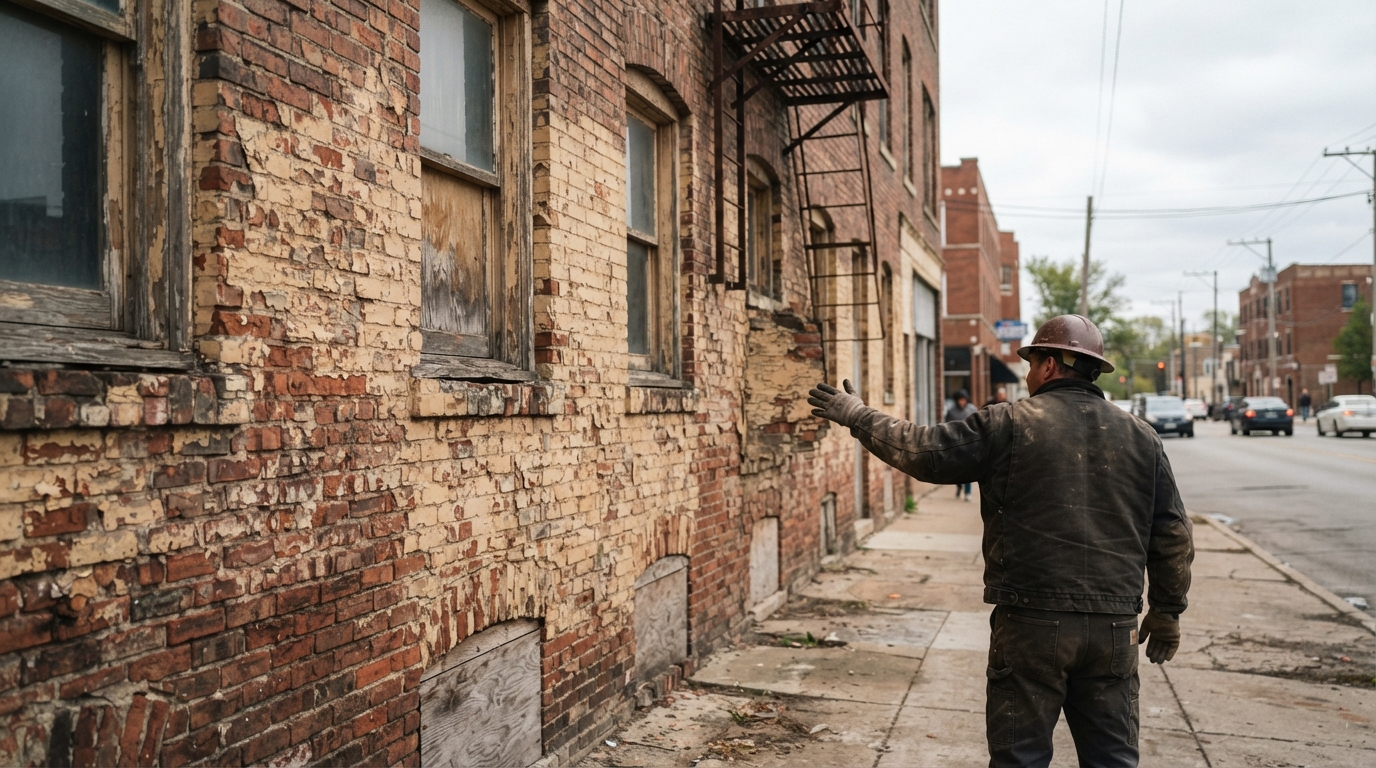
Peeling paint, chalky or faded siding, and cracked plaster are rarely just cosmetic problems. They are usually symptoms of moisture intrusion, sun exposure, or surface prep that was skipped during an earlier paint job. Addressing the underlying cause, not just applying a new coat, is what separates a short-term fix from a finish that holds up through North Carolina’s humid summers and freeze-thaw winters.
Painting professionals for home renovation and upgrades, built around proper diagnosis and repair, tend to outlast a quick cosmetic touch-up. A contractor who only repaints over failing material is setting the project up to fail again within a year or two. Identifying whether damage stems from moisture, old caulking, or a previous low-quality product is the first real step in any durable repaint.
Why Paint Fails: Peeling, Fading, and Cracking Explained
Paint does not fail without a reason. Three mechanisms account for most residential paint problems:
- Moisture intrusion: Water trapped behind siding or trim causes paint to bubble and peel from the inside out.
- UV degradation: Sustained sun exposure breaks down pigment binders, leading to chalking and color fade, especially on south- and west-facing walls.
- Substrate failure: Rotted wood, deteriorated plaster, or unprimed bare wood will not hold a top coat regardless of paint quality.
Each of these requires a different repair approach before any paint is applied. Sanding over peeling paint without addressing moisture, for instance, only delays the same failure.
Surface Repair Before Repainting: What the Process Involves
A repaint job that addresses underlying damage typically follows a sequence rather than skipping straight to color application.
- Inspection of siding, trim, and interior walls for soft wood, cracked plaster, or active moisture sources.
- Repair of rotted wood sections or plaster cracks so the surface is structurally sound.
- Pressure washing or scraping to remove loose paint, mildew, and surface contaminants.
- Priming bare or repaired areas so the new coat adheres evenly.
- Application of a finish coat suited to the exposure (exterior-grade for sun and moisture, low-VOC interior formulations for occupied rooms).
Homes in older Fayetteville neighborhoods sometimes need an added layer of caution during this process. Houses built before 1978 may contain lead-based paint, and disturbing more than a small area of that surface during scraping or sanding falls under federal renovation rules. According to the EPA’s RRP Rule guidance, contractors disturbing more than six square feet of interior painted surface or twenty square feet on an exterior in pre-1978 housing must follow EPA-certified lead-safe work practices. Homeowners with older properties should ask any contractor whether this applies to their project before prep work begins.
Interior vs. Exterior Surface Damage: What Differs
| Factor | Interior Surfaces | Exterior Surfaces |
| Common damage | Plaster cracks, nail pops, moisture stains from leaks | Peeling from UV exposure, rotted trim, mildew growth |
| Prep priority | Patching and sanding smooth before priming | Scraping, pressure washing, wood repair |
| Paint type | Low-VOC interior finishes for occupied spaces | Exterior-grade coatings rated for weather exposure |
| Lead-paint risk | Lower unless walls are pre-1978 and undisturbed for years | Higher on older trim, siding, and railings exposed to weathering |
Surface prep differs enough between interior and exterior work that treating them identically often produces uneven results, particularly on older homes where exterior trim has weathered unevenly compared to protected interior walls.
Business Information
Garner’s Painting Service operates out of Fayetteville, NC and has been active in the local residential and commercial painting market for several decades. Verified offerings include interior and exterior painting, pressure washing, wallpaper removal, rotted wood repair, and plaster repair, which align directly with the surface-repair-first approach outlined above.
Frequently Asked Questions
How do I know if peeling paint is a moisture problem or just old age? Peeling that starts near rooflines, window sills, or bathroom walls usually points to moisture intrusion, while uniform chalking or fading across a whole wall is more often UV-related aging.
Does every older home in Fayetteville, NC need lead testing before repainting? Only homes built before 1978 fall under the EPA’s lead-safe work practice requirements, and only when the project will disturb more than the threshold square footage of painted surface.
Can fading be fixed without a full repaint? Localized touch-ups rarely match faded surrounding paint exactly, since UV exposure changes color unevenly, so a full-wall or full-side recoat typically gives a more even result.
How long should a quality exterior paint job last in this climate? Durability depends on prep quality, product grade, and sun/moisture exposure, so homeowners should ask a contractor about surface prep steps rather than relying on paint can warranties alone.
Surface damage that goes untreated before repainting tends to resurface within a short time, making the repair step as important as the paint itself. Homeowners evaluating a project in Fayetteville, NC can request a surface inspection to determine whether peeling, fading, or cracking points to a deeper repair need before committing to a full repaint.