Summary first:
• A new air conditioner improves energy efficiency, indoor comfort, and reliability compared to aging systems that struggle during Michigan summers.
• Modern units use advanced refrigerants and variable-speed technology to reduce utility costs and maintain steadier indoor temperatures.
• Professional sizing and installation matter as much as the equipment itself for long-term performance.
Homeowners searching for a New Air ConditionerWestland MI are usually dealing with a system that no longer cools consistently, runs up energy bills, or requires frequent repairs. Replacing an aging unit with a properly sized, modern system typically restores even cooling and lowers monthly operating costs. This guide walks through the practical benefits of upgrading, what to expect during installation, and how to evaluate your options before committing to a new system.
Southeast Michigan summers bring stretches of high heat and humidity that put real strain on older cooling equipment. A unit nearing the end of its service life often cycles more frequently, struggles to maintain set temperatures, and loses efficiency as components wear down. Replacing it before a full breakdown gives homeowners more control over timing, budget, and system selection rather than making a rushed decision during a heat wave.
Why Upgrading Pays Off Long-Term
Older air conditioners rely on technology that cannot match the efficiency standards of newer equipment. Replacing an aging system offers several measurable advantages:
• Lower energy consumption – Newer units are designed to meet current minimum efficiency standards, which translates to less electricity used per cooling cycle.
• More consistent indoor temperatures – Variable-speed compressors and improved airflow design reduce the temperature swings common in older single-stage systems.
• Fewer unexpected repairs – New equipment under manufacturer warranty reduces the likelihood of costly mid-season breakdowns.
• Improved humidity control – Modern systems remove moisture from indoor air more effectively, which matters during Michigan’s humid summer months.
According to the U.S. Department of Energy, heating and cooling account for a significant share of a typical home’s total energy use, making equipment efficiency a meaningful factor in long-term utility costs. Choosing a unit with the right efficiency rating for your home’s size and insulation level has a direct effect on how much you save over the system’s lifespan.
What to Expect During the Installation Process
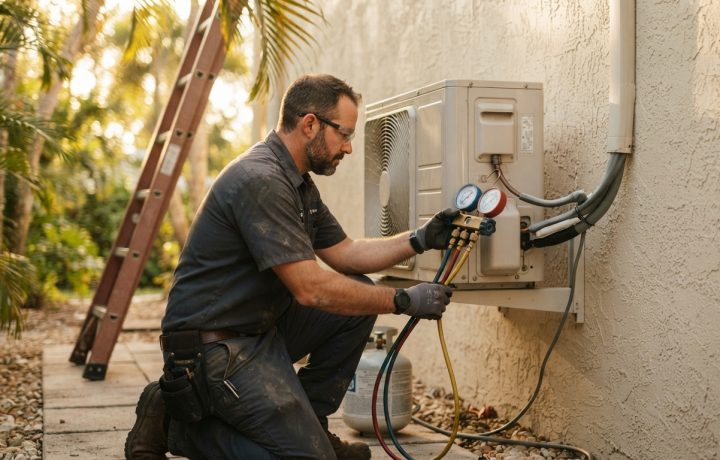
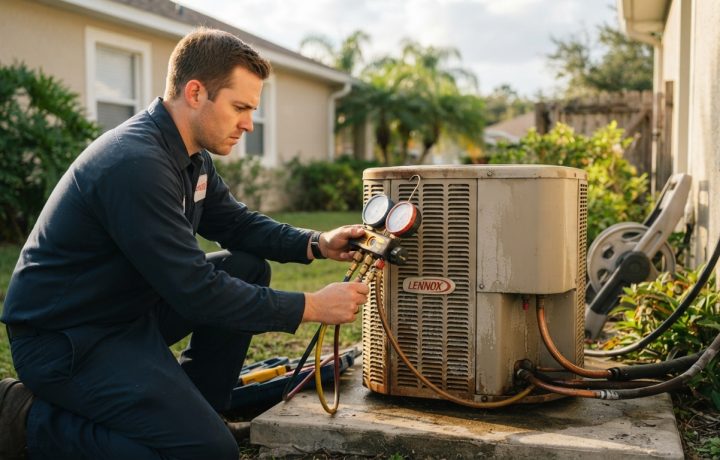
Replacing a central air conditioner involves more than swapping one unit for another. A qualified technician will typically:
1. Assess the existing ductwork to confirm it can support the new system’s airflow requirements.
2. Calculate proper sizing using a load calculation rather than simply matching the old unit’s capacity.
3. Verify refrigerant line compatibility , since many newer systems use updated refrigerants that differ from older equipment.
4. Test the system after installation to confirm correct airflow, pressure, and thermostat communication.
Skipping any of these steps can lead to uneven cooling, higher energy bills, or premature wear on the new equipment. A system that is too large or too small for the home will cycle inefficiently regardless of its efficiency rating.
Comparing System Types for Westland Homes
Not every household needs the same type of cooling system. The table below outlines common options homeowners consider when replacing an outdated unit.
| System Type | Best For | Efficiency Potential | Typical Lifespan |
| Single-stage central AC | Smaller homes, simpler budgets | Moderate | 12-15 years |
| Two-stage central AC | Homes needing steadier temperature control | Higher | 15-18 years |
| Variable-speed central AC | Larger homes or those with humidity concerns | Highest | 15-20 years |
| Ductless mini-split | Additions, homes without existing ductwork | High | 15-20 years |
Lifespan figures vary based on maintenance frequency, usage patterns, and installation quality, so these ranges should be treated as general guidance rather than guarantees.
Signs It Is Time to Replace Rather Than Repair
Not every cooling problem requires full replacement, but certain signs point toward a new system being the more practical choice:
• The unit is more than a decade old and requires frequent service calls.
• Energy bills have climbed noticeably without a change in usage habits.
• Repair costs are approaching a significant portion of what a new system would cost.
• Rooms cool unevenly despite a functioning thermostat.
Weighing repair costs against the benefits of a new installation helps homeowners avoid investing repeatedly in equipment that is already near the end of its useful life.
Frequently Asked Questions
How long does a typical air conditioner installation take? Most residential installations are completed within a single day, though homes with ductwork modifications or electrical upgrades may require additional time.
Does a new air conditioner need a bigger electrical circuit? Some higher-efficiency systems have different electrical requirements than older units, so a technician will check existing wiring and breaker capacity during the assessment.
Can a new system work with my existing ductwork? In many cases yes, though a technician needs to confirm the ducts are sized correctly for the new unit’s airflow to avoid efficiency losses.
Is a larger unit always better for cooling performance? No. An oversized system cycles on and off too quickly, which reduces humidity control and can shorten the equipment’s lifespan.
Replacing an aging air conditioner is one of the more straightforward ways to improve comfort and reduce energy costs in a Westland home. Working with a qualified local provider such as Family Heating, Cooling & Electrical Inc. ensures the new system is sized correctly, installed to manufacturer specifications, and set up to perform reliably through Michigan’s warmer months.