Quick summary:
• A tub to shower conversion replaces a high-sided bathtub with a low-threshold shower, reducing fall risk and improving daily accessibility.
• The upgrade can free up floor space, modernize a bathroom’s appearance, and lower water use compared to filling a tub.
• Homeowners in League City, TX often pursue this change to support aging in place or simplify bathroom maintenance.
A bathtub-to-shower conversion swaps a traditional tub for a curbless or low-step shower enclosure, cutting fall risk and freeing up bathroom space without a full remodel. For many households, this single change addresses safety, maintenance, and daily convenience at once.
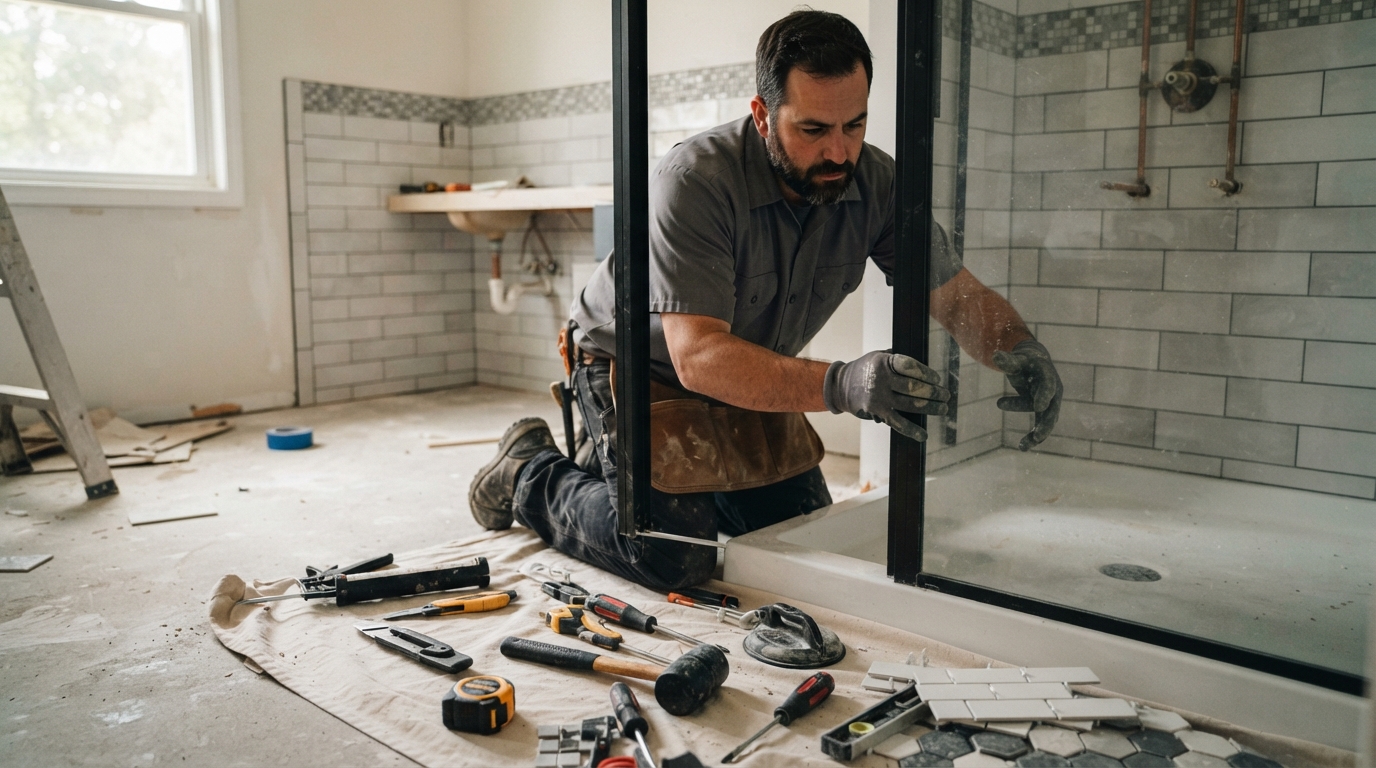
Replacing an aging or oversized tub is one of the most direct ways to modernize a bathroom while improving how it functions day to day. A professional Tub To Shower Conversion typically involves removing the existing tub, adjusting plumbing lines, and installing a new shower base, wall surround, and door or curtain system. The result is a space that looks updated and performs better for everyone who uses it, not just those with mobility concerns.
Why Homeowners Choose This Upgrade
Several practical factors drive the decision to convert a tub rather than replace it with another tub.
• Safety : Falls remain a leading cause of injury for older adults, and bathrooms are a frequent location for them. According to the CDC , more than one out of four older people falls each year, but less than half tell their doctor. A low-threshold shower removes the step-over hazard that a traditional tub presents.
• Space efficiency : Shower enclosures can fit a smaller footprint than a full tub, opening up room for storage, a bench, or simply easier movement.
• Water use : A shower generally uses less water per use than filling a tub, which can reduce utility costs over time.
• Maintenance : Fewer grout lines and modern surround materials can mean less scrubbing and mold buildup compared to an older tub and tile combination.
Accessibility and Aging-in-Place Considerations
For residents planning to stay in their current home long term, a shower conversion is often described as part of an aging-in-place strategy. Features such as grab bars, slip-resistant flooring, and a built-in bench or fold-down seat support independence for people with limited mobility. These additions do not require a hospital-style look; most conversions use standard tile, stone-look panels, or acrylic surrounds that match existing bathroom finishes.
Housing stock in League City, TX includes many homes built with standard tub-shower combinations that are now decades old, making this an increasingly common renovation request as residents reassess long-term bathroom needs. A conversion also tends to appeal to households preparing a home for resale, since updated, low-maintenance bathrooms are a frequent point of interest for buyers.
Comparing Tub and Shower Conversion Outcomes
The table below outlines how a converted shower generally compares to a standard bathtub across a few common decision points.
| Factor | Traditional Bathtub | Converted Walk-In Shower |
| Entry height | High step-over wall | Low or zero-threshold entry |
| Floor space needed | Larger footprint | Can be smaller, freeing up room |
| Typical water use per use | Higher, requires full fill | Lower with efficient fixtures |
| Cleaning and upkeep | More grout and corners to maintain | Often simpler surfaces to clean |
These are general patterns rather than guarantees, since the exact outcome depends on the materials chosen, the layout of the existing bathroom, and the scope of plumbing work required.
What the Conversion Process Typically Involves
A straightforward conversion usually follows a few stages, though timelines vary by bathroom layout and material selection:
1. Removal of the existing tub, surround, and any damaged subfloor or wall material.
2. Adjustment of plumbing and drain lines to fit the new shower base.
3. Installation of a shower pan, wall panels or tile, and a door or curtain.
4. Addition of safety features such as grab bars or a bench, if requested.
Permitting requirements for plumbing changes can vary, so homeowners in League City, TX should confirm local requirements before work begins.
Frequently Asked Questions
Does a tub to shower conversion always require new plumbing? Not always. Minor conversions that keep the drain and water lines in roughly the same location may need only small adjustments, while reconfigured layouts typically require more plumbing work.
Will removing a tub hurt a home’s resale value? Most homes with at least one other tub are not negatively affected by converting a secondary bathroom, since updated showers are commonly viewed as a desirable feature. Homes with only one bathtub may want to keep at least one tub if resale to families with young children is a priority.
Can safety features be added without making the bathroom look clinical? Yes. Grab bars, benches, and slip-resistant flooring are available in finishes that match standard tile and fixture styles, so the space does not need to look institutional.
How long does a typical conversion take? Project length depends on the scope of plumbing and tile work, but many straightforward conversions are completed within a few days to about a week.
Based in Stafford, TX, All American Tile & Remodeling by Ry Brooks proudly serves customers throughout League City, TX, offering a range of bathroom renovation services, including tub-to-shower conversions. For additional insights into bathroom conversion planning and related remodeling topics, read more to learn how these projects are typically planned, scoped, and completed.