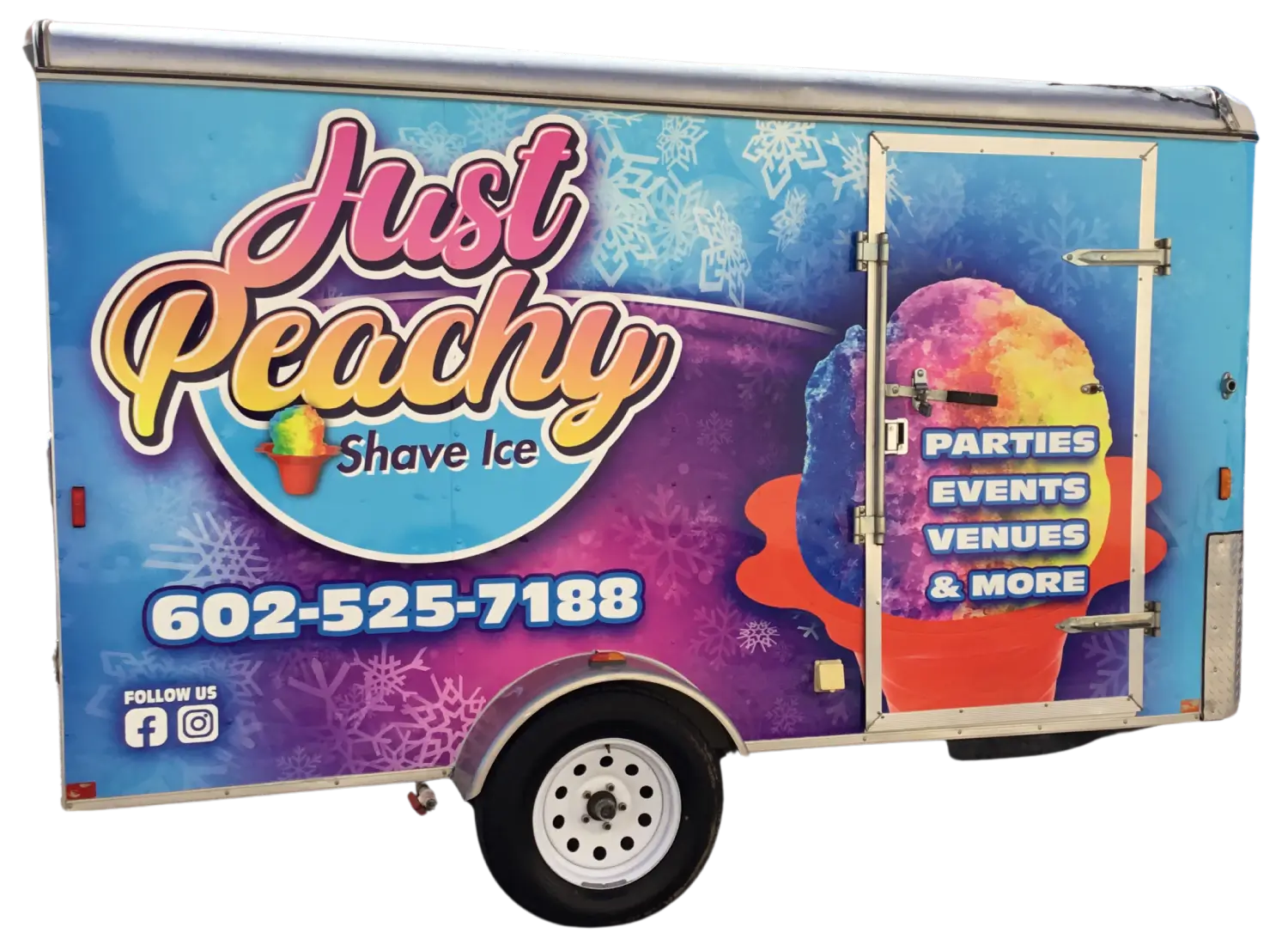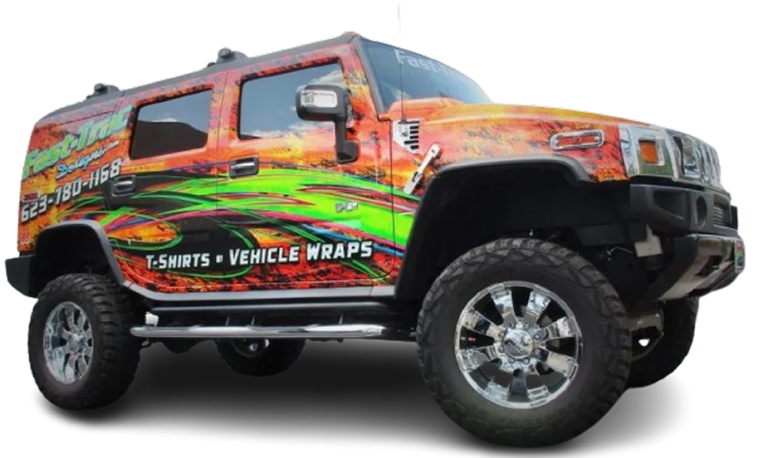
Fleet wraps can accommodate vehicles shared by multiple businesses through coordinated co-branding, adaptable graphic layouts, and clearly organized company information. Professional wrap planning helps distinguish each business’s identity while accounting for how the vehicle is used, which company operates it, and whether its branding requirements may change over time.
Commercial vehicles are not always assigned exclusively to one business. Some companies share transportation resources with affiliated organizations, operate joint service arrangements, or use vehicles owned by a parent company. Others rely on leased equipment or vehicles that move between business divisions.
These arrangements create branding challenges that differ from those of a traditional single-company fleet.
For businesses in Mesa, Arizona, fleet vehicle wraps can help establish a recognizable appearance across shared commercial vehicles without requiring every participating company to maintain a completely separate fleet.
However, an effective design must balance business recognition, graphic flexibility, and operational requirements.
Why Do Shared Business Vehicles Require Different Wrap Planning?
Vehicles shared by multiple businesses may represent different organizations depending on their assignments.
A truck could support one company’s operations during the week and serve an affiliated business for a separate project. Another vehicle might carry employees from a parent company while providing services under a subsidiary’s name.
These arrangements affect what the graphics need to communicate.
Multiple Businesses May Have Different Brand Identities
Every company may have its own logo, colors, typography, and preferred messaging.
When these identities appear on one vehicle, their relationship should be understandable.
For example, a commercial van shared by a plumbing company and an HVAC company may need to identify both organizations.
Placing two unrelated designs on opposite sides of the vehicle could make the van appear inconsistent.
A coordinated design can establish a visual relationship while preserving each company’s identity.
Vehicle Assignments May Change
Some shared vehicles operate under long-term arrangements.
Others are assigned to different departments, contractors, or business partners depending on current needs.
This distinction matters because permanent graphics may become outdated when vehicle assignments change.
A design suited to a long-term partnership may not be appropriate for a vehicle regularly transferred between organizations.
Professional planning considers the expected duration of each branding arrangement before determining graphic coverage.
Ownership and Operation Are Not Always the Same
A commercial vehicle may be owned by one company but operated by another.
For example, a business might lease a truck from a fleet management company while displaying its own branding.
The vehicle’s ownership arrangement can affect which modifications are permitted and what information must remain visible.
Wrap planning should therefore consider any applicable lease conditions, identification requirements, and authorization from the appropriate parties.
How Can Fleet Wraps Display Two Business Brands on One Vehicle?
Co-branding allows multiple businesses to appear on the same vehicle while maintaining their distinct identities.
However, simply adding more logos does not necessarily create effective communication.
The design should clarify the relationship between the participating companies.
Establishing a Primary Brand
Some shared vehicles primarily serve one organization while acknowledging another business.
For example, a property management company may operate maintenance vehicles in partnership with an affiliated service provider.
In this arrangement, one brand might receive greater visual prominence, with the supporting company identified separately.
The appropriate hierarchy depends on the actual business relationship.
A professional designer can develop a layout that makes the relationship understandable without allowing the graphics to compete unnecessarily.
Creating Balanced Co-Branding
Other partnerships involve businesses with relatively equal visibility requirements.
For instance, two companies might jointly operate a delivery service.
Their logos could appear within a coordinated graphic system that uses consistent spacing, proportions, and supporting visual elements.
This approach allows the businesses to retain their individual identities while creating a cohesive vehicle appearance.
Balanced co-branding does not require every element to be identical in size.
Instead, the overall arrangement should be clear and appropriate to the partnership.
Using Shared Colors and Design Elements
Businesses with different brand colors may need a visual treatment that connects them.
A neutral background, shared graphic pattern, or coordinated layout can help organize multiple identities.
For example, a white commercial van might display two distinct company logos within a consistent visual framework.
The resulting appearance can be more cohesive than dividing the vehicle into two unrelated color schemes.
Professional vehicle fleet wraps can accommodate these relationships through thoughtful artwork planning rather than forcing separate designs onto the same exterior.
What Happens When Shared Vehicles Change Business Assignments?
One challenge with shared fleets is that the vehicle’s branding requirements may change over time.
A truck initially assigned to one subsidiary may later support another. A company partnership may end, or a leased vehicle may be returned to its owner.
These situations can influence the choice between extensive wrap coverage and more limited graphics.
Permanent Branding May Not Suit Every Arrangement
A company operating a vehicle for several years may prefer extensive graphics that establish a distinctive appearance.
However, a business using the same vehicle for only a few months may have different priorities.
Extensive graphics can require additional removal or replacement work when the arrangement ends.
A professional assessment can help determine whether the proposed coverage is appropriate for the expected period of use.
Changeable Graphics May Offer Flexibility
Certain vinyl materials are designed for shorter-term applications.
According to 3M’s guidance on changeable fleet graphic films, these products can support temporary branding arrangements, including equipment rentals and seasonal campaigns. Some are intended for expected performance periods of up to two years, depending on the specific product and application.
3M US
However, removable or changeable films are not automatically suitable for every vehicle surface.
The selected material must be compatible with the underlying finish, installation conditions, and intended duration.
Rebranding Requires Surface Evaluation
When a shared vehicle changes assignments, existing graphics may need removal.
The condition of the underlying paint and the age of the vinyl can influence this process.
A vehicle that has undergone previous repainting or body repairs may require additional consideration.
Professional evaluation helps determine whether the vehicle is suitable for new graphics after the existing material is removed.
How Can Multiple Businesses Maintain Consistent Fleet Branding?
Shared-use arrangements can make fleet consistency more complicated because the vehicles may not all display the same combination of company identities.
For example, one organization may operate a group of trucks independently while sharing several additional vehicles with another business.
A coordinated design system can accommodate these variations.
Shared Design Standards Create Continuity
A design system can establish consistent rules for logo placement, typography, colors, and supporting graphics.
These standards may apply across vehicles even when the participating businesses differ.
For instance, a parent company may use one recognizable background treatment while individual subsidiaries display their respective logos.
This allows each vehicle to communicate its assignment without losing the broader fleet identity.
Different Vehicle Types Need Adapted Layouts
Shared commercial fleets may include pickup trucks, cargo vans, service vehicles, and box trucks.
Their available graphic surfaces can vary considerably.
A design created for a large box truck may require substantial adjustments when applied to a smaller service van.
Professional designers preserve recognizable brand elements while adapting dimensions and placement to each vehicle.
Consistency comes from maintaining the visual identity rather than reproducing identical artwork on every body style.
Brand Recognition Should Remain Clear
A shared vehicle may need to display more than one company name, but that does not mean every message deserves equal prominence.
If the exterior becomes crowded with logos, service descriptions, and contact details, the most important information may become difficult to recognize.
Professional design prioritizes clarity.
This allows participating businesses to maintain their identities without overwhelming the available graphic space.
Why Do Contact Details Require Special Consideration on Shared Vehicles?
Contact information can become complicated when multiple businesses share one commercial vehicle.
Each organization may have a different telephone number, website, or customer service department.
Displaying all this information without a clear structure can confuse potential customers.
Separate Contact Details Need Clear Attribution
Suppose a vehicle represents two affiliated service companies.
If both telephone numbers appear without identifying which company they belong to, customers may contact the wrong organization.
A coordinated layout can visually associate each contact detail with the appropriate business.
This helps maintain clarity while preserving both brands.
Shared Contact Information May Be Appropriate
Some affiliated businesses use a centralized customer service department.
In these cases, one approved contact number may support several related services.
However, the graphics should reflect the companies’ actual communication arrangements.
A designer should not assume that businesses sharing a vehicle also share customer service responsibilities.
Operational Information Should Remain Accurate
Contact details can change when vehicles are reassigned or business relationships evolve.
A permanent graphic containing outdated information may no longer serve its intended purpose.
For shared fleets with frequent organizational changes, this makes accurate information and future graphic replacement important planning considerations.
How Do Commercial Vehicle Identification Requirements Affect Co-Branding?
Commercial vehicle graphics serve a marketing purpose, but certain vehicles also have legal identification requirements.
These requirements depend on the vehicle’s classification, operating activities, and applicable regulations.
Decorative company logos should not be confused with mandatory motor carrier identification.
Required Motor Carrier Markings Must Remain Accurate
Under applicable federal commercial motor vehicle marking rules, covered vehicles must display the operating motor carrier’s legal name or registered trade name and its USDOT identification number.
The Federal Motor Carrier Safety Administration also addresses particular arrangements involving rented or leased commercial vehicles.
csa.fmcsa.dot.gov+1
These requirements do not apply identically to every business vehicle.
However, shared vehicle arrangements can create situations where the organization displayed in promotional graphics differs from the legally responsible motor carrier.
Marketing Graphics Cannot Replace Required Identification
A large company logo may clearly identify a brand without satisfying applicable regulatory marking requirements.
Likewise, displaying multiple business names does not necessarily establish which company is responsible for operating the vehicle.
Businesses should confirm applicable requirements with qualified transportation compliance professionals.
Graphic placement should accommodate legally required markings rather than obscuring them.
Vehicle Reassignment May Require Updated Information
When a covered commercial vehicle changes operators, its required identification may also need attention.
A design that allows appropriate space for these markings can help avoid conflicts between promotional graphics and mandatory information.
This consideration is particularly relevant for businesses managing shared or leased transportation equipment.
Can Vehicle Vinyl Graphics Support Temporary Business Partnerships?
Not every shared vehicle arrangement requires a complete redesign.
Some businesses maintain a primary fleet identity while adding graphics that identify a temporary partner, project, or affiliated organization.
The suitability of this approach depends on the existing wrap and the proposed material.
Smaller Graphics Can Complement Existing Branding
A vehicle with established company graphics may have suitable space for additional approved information.
For example, a contractor working with an affiliated service provider might want to identify the partnership on selected panels.
A smaller graphic can sometimes communicate that relationship without replacing the entire design.
However, its placement should respect the existing artwork, application surfaces, and material limitations.
Layered Graphics Require Compatibility
Adding vinyl over an existing wrap is not automatically appropriate.
The selected materials must be compatible, and the condition of the underlying film needs to be considered.
An older wrap may have experienced weathering, surface deterioration, or changes in its finish.
Professional installers should evaluate the proposed application rather than assuming that new graphics can always be added safely.
Removal Should Be Considered Before Installation
Temporary business arrangements eventually change.
When that happens, any supporting graphics may need to be removed.
Some specialty films are intended for easier removal, but this does not eliminate the need for appropriate surface evaluation.
Material selection should consider the expected use and manufacturer’s removal guidance.
How Can Shared Fleet Vehicles Accommodate Different Business Operations?
Businesses sharing vehicles may perform different services, even when they operate within related industries.
For example, a company might use one group of vans for installation work and another for equipment delivery.
Some vehicles may move between departments depending on demand.
The graphics need to remain appropriate across their intended assignments.
Broad Branding Can Support Multiple Services
A vehicle carrying highly specific promotional messaging may become less relevant when assigned to another operation.
For example, a van covered with messaging for one specialty service may not accurately represent a different service division.
A broader company identity can sometimes accommodate multiple uses more effectively.
This does not mean every shared vehicle should avoid service-specific information.
Instead, the level of detail should reflect how consistently the vehicle will perform that function.
Department-Specific Graphics May Be Adapted
Some businesses require clear distinctions between departments.
A parent company may operate several divisions that need separate identification.
A coordinated design system can support those distinctions through approved colors, labels, or graphic elements.
The result can preserve recognizable branding while making individual vehicle assignments understandable.
Vehicle Function Still Determines Available Coverage
Shared commercial vehicles may contain roof racks, storage compartments, equipment mounts, or other accessories.
These features influence where graphics can be installed.
A design intended for a standard cargo van may require adjustments for a modified service vehicle.
Professional planning accounts for these physical differences alongside the companies’ branding requirements.
What Should Businesses Establish Before Planning Shared Fleet Graphics?
Coordinating graphics for multiple organizations requires clear decisions about branding responsibilities and intended use.
Without those details, a project may encounter conflicting design preferences or require avoidable revisions.
Determine Who Approves the Final Design
When several businesses share a vehicle, different stakeholders may want input on its appearance.
One organization may own the vehicle, another may operate it, and a third may be responsible for marketing.
Identifying the authorized decision-makers helps establish a clear approval process.
The graphics provider can then work from an agreed design direction.
Confirm Vehicle Ownership and Permissions
A leased or jointly used vehicle may be subject to conditions concerning exterior modifications.
Businesses should confirm that the appropriate owner or authorized party permits the proposed graphics.
This is especially important when the project involves extensive coverage or future removal requirements.
Consider the Expected Length of Shared Use
A long-term joint venture may have different branding needs from a short-term subcontracting arrangement.
The anticipated duration can influence the extent of coverage and the suitability of particular films.
Professional planning can account for these considerations without promising that a single material is appropriate for every arrangement.
Evaluate the Actual Fleet
Vehicle size, body configuration, exterior condition, and existing graphics affect installation requirements.
For businesses considering fleet vehicle wraps in Mesa, Fast-Trac Designs provides professional fleet graphics design, printing, and installation services.
Their team can discuss the proposed vehicle configurations and branding requirements to help establish an appropriate graphics project.
Why Does Future Rebranding Matter for Shared Business Vehicles?
Shared fleet arrangements may evolve as companies grow, restructure, or change their working relationships.
A vehicle that represents two businesses today may eventually return to single-company use.
This possibility makes long-term graphic planning important.
Partnerships May Change
Business partnerships can expand, end, or develop into different arrangements.
When that happens, the vehicle’s graphics may no longer accurately represent its use.
An extensive co-branded wrap could require replacement, while a more adaptable design may offer other options.
The appropriate approach depends on the original artwork and materials.
Fleet Vehicles Have Different Service Lives
Companies may retain certain vehicles for many years while replacing others more frequently.
A shared vehicle nearing replacement may have different branding priorities from a newly acquired unit expected to remain in service longer.
Understanding these circumstances can help businesses make more informed design decisions.
Graphic Records Support Future Changes
Maintaining approved artwork and vehicle specifications can support future graphic production.
When a company adds another shared vehicle or changes an existing unit’s assignment, the original design files provide a useful starting point.
However, new vehicles may require adjusted dimensions and layouts.
Professional commercial vehicle wraps should account for the actual vehicle rather than assuming that one design file fits every configuration.
Shared Fleet Graphics Should Make Business Relationships Clear
Vehicles shared by multiple businesses introduce branding considerations that differ from those of conventional single-company fleets.
Co-branding, changing assignments, vehicle ownership, contact information, and legal identification requirements can all influence graphic decisions.
A coordinated design can help customers recognize the participating businesses without presenting conflicting messages.
For long-term partnerships, consistent graphics may establish a shared identity. For shorter arrangements, appropriately selected changeable graphics may offer additional flexibility.
The most suitable approach depends on the businesses’ relationship, the vehicle’s intended use, and the application requirements of the selected materials.
Professional vehicle vinyl graphics can help organize multiple identities on one commercial vehicle while preserving a cohesive appearance.
By addressing these considerations before installation, businesses can develop graphics that accurately reflect their operations and remain practical as fleet requirements evolve.
About Fast-Trac Designs
Fast-Trac Designs has served Arizona businesses since 2007, providing custom vehicle graphics from its Phoenix facility to customers in Mesa and surrounding areas. Their services include fleet branding, commercial vehicle wraps, graphic design, printing, and professional installation by certified installers. Companies exploring graphics for shared or multi-business fleets can contact them at (623) 780-1168 or find their Phoenix office on Google Maps.