Snapshot:
• Weak airflow, warm air, and unusual noises are the top signs a Pensacola home needs professional AC attention.
• Gulf Coast humidity and salt air speed up wear on outdoor condenser units, making routine checks important.
• Catching refrigerant leaks or electrical issues early helps prevent full system breakdowns during peak summer heat.
A cooling system that blows warm air, cycles constantly, or makes grinding noises usually signals a mechanical or electrical fault rather than a simple thermostat adjustment. Homeowners searching for answers often need to know which symptoms are minor and which point to a bigger failure brewing inside the unit.
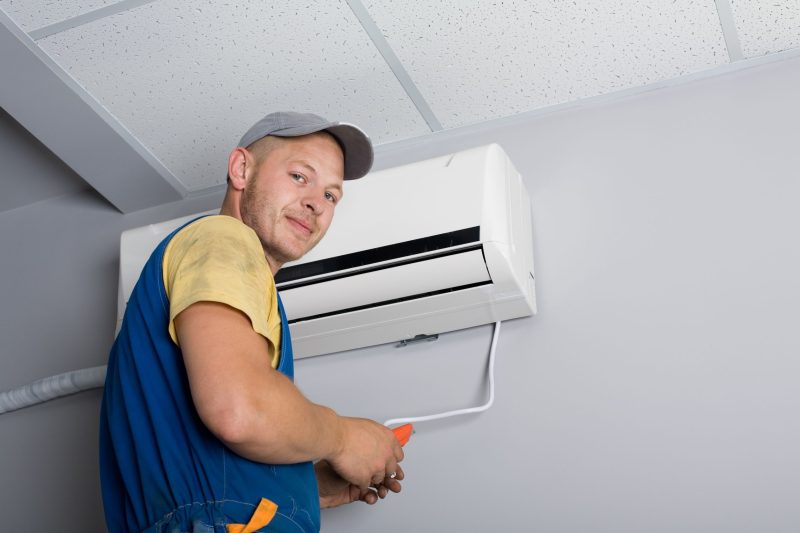
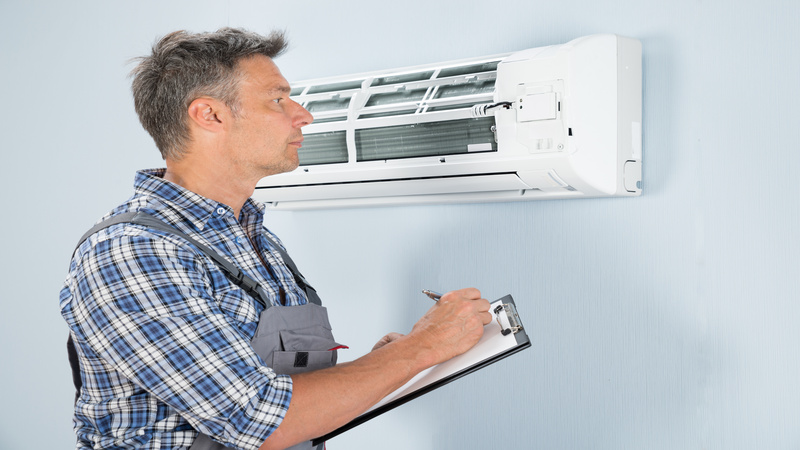
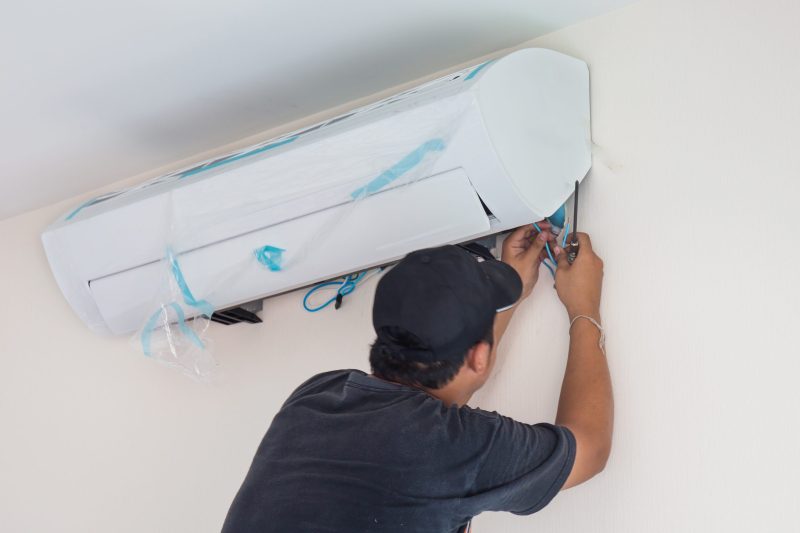
Pensacola’s humid subtropical climate puts extra strain on home cooling equipment almost year-round. When a system starts underperforming, Residential AC Repair In Pensacola services typically begin with a diagnostic check of airflow, refrigerant levels, and electrical components before any part is replaced. Identifying the specific problem early often prevents a minor repair from turning into a full system replacement.
Signs Your Cooling System Needs Attention
Most AC failures show warning signs before the unit stops working entirely. Recognizing these early can save on repair costs and reduce the risk of a breakdown during peak heat.
• Warm or inconsistent airflow : Often linked to a failing compressor, low refrigerant, or a blocked air filter.
• Frequent cycling : The system turns on and off rapidly, which can point to thermostat miscalibration or an oversized/undersized unit.
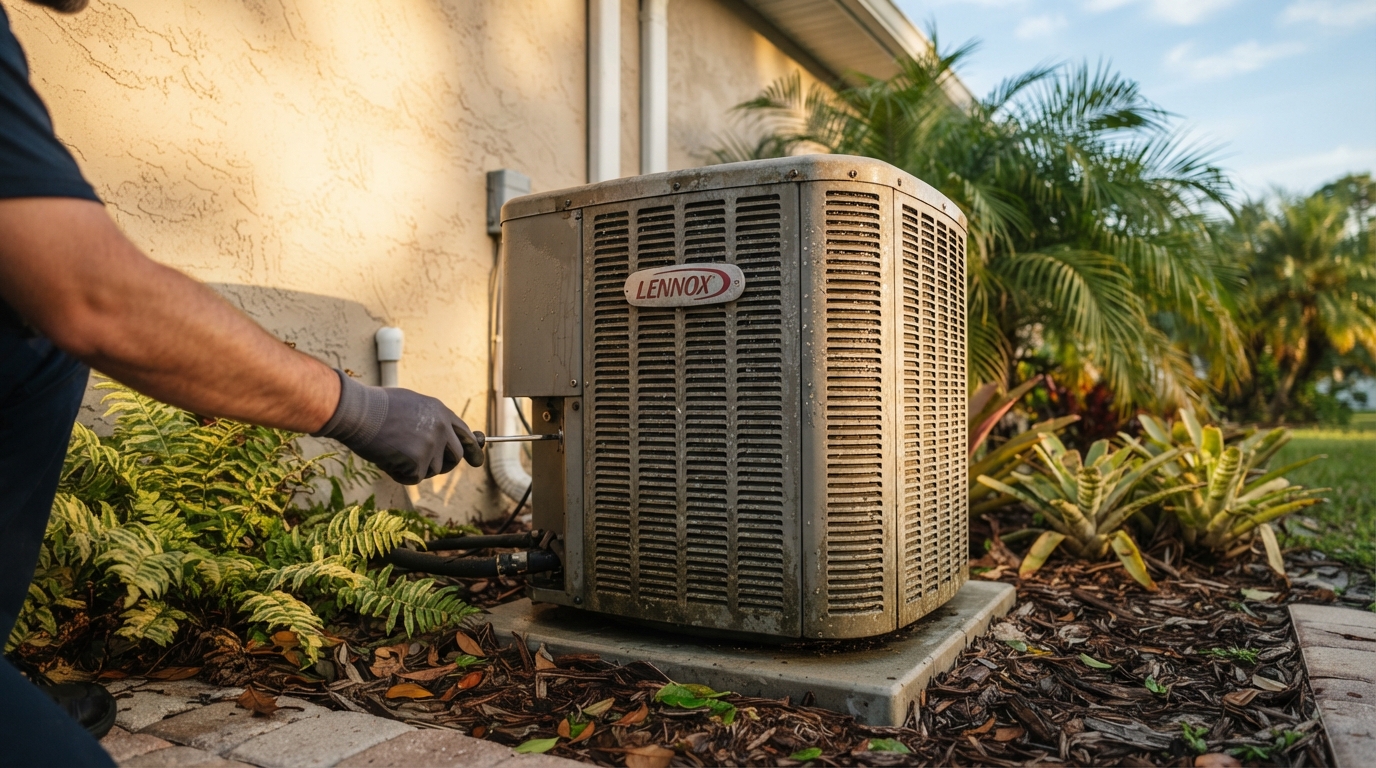
• Unusual noises : Grinding, squealing, or rattling sounds typically indicate loose parts, worn bearings, or debris in the outdoor unit.
• Water pooling near the indoor unit : Usually caused by a clogged condensate drain line or a cracked drain pan.
• Higher than normal energy bills : A sign the system is working harder than it should to maintain the set temperature.
Why Pensacola’s Climate Accelerates AC Wear
Coastal humidity and salt air create conditions that are harder on HVAC equipment than in drier inland regions. Outdoor condenser coils are especially vulnerable to corrosion from airborne salt, which can reduce heat transfer efficiency over time.
According to the National Weather Service climate data for Pensacola, the region experiences consistently high humidity and extended warm seasons that keep cooling systems running for long stretches each year. This near-constant operation shortens the lifespal of components like capacitors, contactors, and fan motors compared to systems in milder climates.
Routine maintenance helps offset this accelerated wear, but homeowners should still expect more frequent service needs than those in drier states. Sealed outdoor units, regular coil cleaning, and timely filter changes all play a role in extending equipment life along the Gulf Coast.
Common Repairs Homeowners Encounter
Residential systems in this region typically need attention in a few recurring areas. Below is a quick comparison of frequent issues and their general causes.
| Problem | Likely Cause | Typical Fix |
| Warm air from vents | Low refrigerant or failing compressor | Leak detection, recharge, or compressor repair |
| AC won’t turn on | Electrical fault or thermostat issue | Wiring inspection, capacitor or thermostat replacement |
| Ice buildup on coils | Restricted airflow or low refrigerant | Filter replacement, airflow correction |
| Loud operation | Worn motor bearings or loose panels | Component tightening or motor replacement |
Electrical components like capacitors and contactors tend to fail first in high-humidity environments because moisture accelerates corrosion on metal contacts. A technician diagnosing these issues typically checks voltage readings and inspects wiring connections before replacing any part.
When to Call a Professional
Some AC issues are safe for homeowners to check themselves, such as replacing a dirty filter or resetting a tripped breaker. Others involve refrigerant handling, electrical wiring, or sealed components that require licensed technicians.
• Persistent warm air after filter replacement
• Visible ice on refrigerant lines or indoor coils
• Burning smells or tripped breakers linked to the AC unit
• Water damage near the indoor air handler
Attempting refrigerant-related repairs without proper certification is not only risky but can also violate federal handling regulations. Scheduling a professional inspection at the first sign of trouble is generally more cost-effective than waiting for a full breakdown.
Frequently Asked Questions
How long does a typical AC repair take? Most diagnostic visits and minor repairs, such as capacitor or thermostat replacement, can be completed within a single appointment. More complex issues like refrigerant leaks may require additional time for leak detection and parts sourcing.
Can I prevent most cooling problems with maintenance alone? Regular maintenance significantly reduces the frequency of breakdowns by catching worn components before they fail. It cannot eliminate all risk, especially in humid coastal climates that accelerate part wear.
Is it normal for an AC unit to run constantly in summer? Extended run times are common during Pensacola’s hottest months, but a unit that never cycles off may be undersized, low on refrigerant, or struggling with airflow restrictions.
What is the average lifespan of a residential AC unit in this climate? Coastal humidity and salt exposure can shorten typical equipment lifespans compared to drier regions, making routine inspections and timely repairs especially valuable for homeowners in this area.
Cooling problems rarely resolve on their own, and in a climate like Pensacola’s, delaying repairs often means more strain on the system and higher energy costs. Homeowners who notice warm airflow, strange noises, or rising utility bills should schedule a diagnostic visit before small issues become major failures. Miller Heating & Cooling LLC, serves homeowners throughout the Pensacola area with residential cooling diagnostics and repair services.