Summary:
• Residential electrical repair addresses faulty outlets, flickering lights, breaker trips, and aging wiring before they become safety hazards.
• Older homes in Omaha, NE often need rewiring or panel updates due to outdated electrical systems and seasonal weather stress.
• Knowing the warning signs helps homeowners decide when a licensed electrician should inspect or repair a home’s wiring.
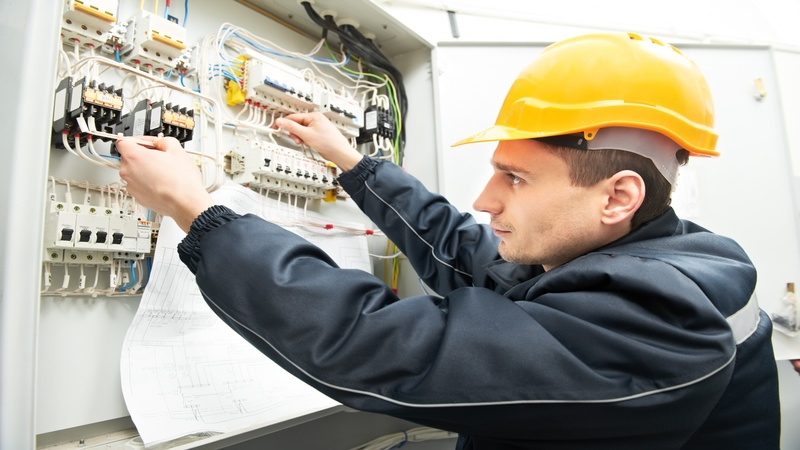
Residential electrical repair covers the diagnosis and correction of faulty wiring, outlets, switches, breakers, and related components inside a home. The goal is simple: restore safe, reliable power flow while reducing fire and shock risks tied to deteriorating or improperly installed electrical parts.
Homeowners searching for Residential Electrical Repair in Omaha, NE, are usually responding to a specific electrical issue rather than a theoretical concern. A breaker that trips weekly, an outlet that feels warm, or a light switch that sparks can all indicate that something in the circuit has failed or is beginning to malfunction. Addressing these issues early can help prevent costly repairs and avoid further damage to electrical circuits or appliances.
Common Signs Your Home Needs Electrical Repair
Electrical problems rarely announce themselves clearly. Most show up as small inconveniences before escalating into safety hazards.
• Lights that flicker or dim when other appliances turn on
• Outlets or switch plates that feel warm to the touch
• A persistent burning smell near outlets or the breaker panel
• Breakers that trip repeatedly without an obvious cause
• Buzzing sounds coming from switches, outlets, or the panel
Any one of these signs on its own may not indicate an emergency, but a combination of two or more often points to a wiring issue that needs professional attention rather than a quick fix.
Why Older Homes Need More Frequent Repairs
Housing stock in Omaha, NE includes a significant share of homes built before modern electrical codes were adopted. Aluminum wiring, two-prong outlets, and undersized panels were common decades ago and were not designed for the electrical load of modern households with multiple devices, HVAC systems, and kitchen appliances running simultaneously.
Seasonal temperature swings common to the region also stress electrical systems over time. Extreme cold can cause insulation on older wiring to become brittle, while summer heat adds strain to overworked circuits running air conditioning. The National Fire Protection Association notes that electrical failures remain a leading cause of home structure fires, which underscores why periodic inspection of aging systems matters.
Repair Versus Replacement: What to Expect
Not every electrical issue requires a full rewiring project. A licensed electrician typically evaluates the scope of damage before recommending a repair or a larger replacement.
| Situation | Typical Approach | Relative Scope |
| Single faulty outlet or switch | Component replacement | Minor, same-day |
| Frequent breaker trips | Circuit diagnosis and correction | Moderate |
| Outdated aluminum wiring | Partial or full rewiring | Major |
| Undersized electrical panel | Panel upgrade | Major |
Minor repairs, such as swapping a worn outlet or tightening a loose connection, are usually straightforward. Larger issues, like an undersized panel that cannot support current household demand, often require permits and a more involved scope of work.
What Happens During a Professional Repair Visit
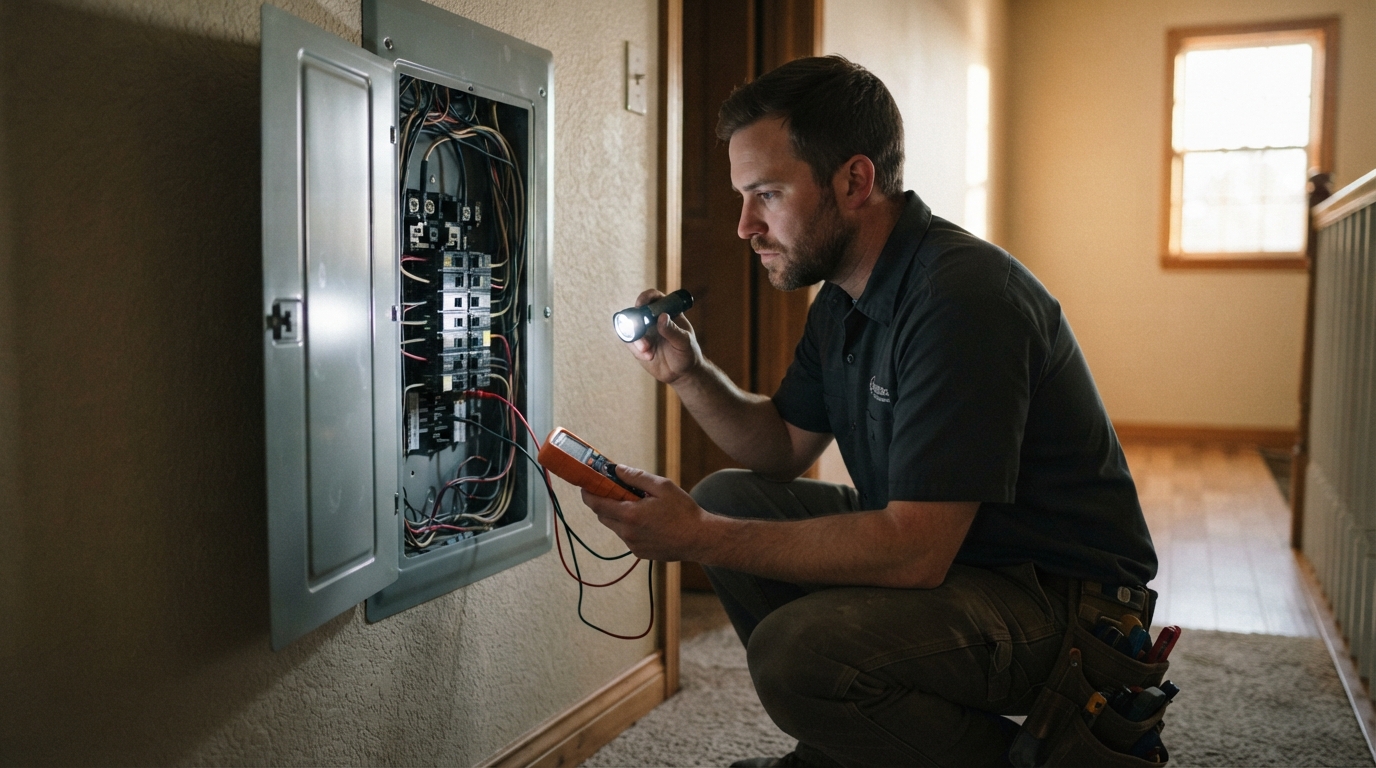
A typical residential electrical repair visit follows a structured process designed to identify the root cause rather than just the visible symptom.
1. The electrician inspects the affected outlet, switch, or panel and asks about recent symptoms.
2. Voltage and continuity are tested to confirm where the fault originates.
3. The damaged component is repaired or replaced, following local code requirements.
4. The circuit is tested again under load to confirm the fix holds.
This process helps avoid a situation where a quick patch masks a deeper wiring problem that resurfaces later, sometimes with more serious consequences.
How urgent is a tripping breaker? A breaker that trips once under heavy load may simply be protecting the circuit as designed. Repeated trips without a clear cause suggest a fault that should be checked promptly.
Can homeowners safely replace an outlet themselves? Basic outlet swaps are sometimes within reach for confident DIYers, but anything involving the panel, wiring behind walls, or GFCI/AFCI circuits is safer left to a licensed electrician familiar with local code.
Does homeowners insurance cover electrical repairs? Coverage varies by policy and cause of damage. Homeowners should review their specific policy or contact their insurer directly rather than assume coverage applies.
How often should home wiring be inspected? There is no universal schedule, but homes over 25 years old or those with a history of electrical issues generally benefit from periodic inspection by a qualified electrician.
Final Notes and Local Service Information
Based in USA, Solid Ground Electric serves customers across Omaha, NE.
Readers evaluating next steps can Get Professional Home Electrical Repairs for published service details relevant to their situation.