When a wrapped fleet vehicle needs collision repairs, damaged graphics typically must be removed from the affected panels before bodywork and refinishing can proceed. After the vehicle has been properly repaired and the new paint has cured according to manufacturer requirements, replacement graphics can be produced and professionally installed to restore its branded appearance.
For businesses operating delivery vans, service trucks, company cars, and other commercial vehicles, a collision can create more than an automotive repair issue. It can also interrupt the company’s visual branding, particularly when the vehicle displays a large logo, custom colors, or graphics extending across multiple panels.
Fleet managers in Mesa, Arizona, may need to coordinate several separate activities: collision repair, paint refinishing, graphic reproduction, and vehicle scheduling.
Understanding how these processes interact helps businesses make informed decisions about restoring fleet vehicle wraps without overlooking important technical requirements.
Why Do Collision Repairs Affect Existing Fleet Wraps?
Collision repairs can affect fleet graphics because vinyl is applied directly to exterior surfaces that may need to be repaired, replaced, or repainted.
When a vehicle sustains damage to a wrapped panel, the vinyl may become torn, stretched, punctured, or otherwise compromised.
Even when the material appears intact, damage beneath it may require removal before the repair facility can assess the affected area.
Damaged Panels May Need Complete Graphic Removal
Consider a delivery van involved in a minor side collision.
The impact may damage the sliding door while leaving the surrounding vehicle relatively unaffected. If a company logo extends across that door, the affected graphics may need to be removed so the repair facility can complete the necessary work.
In some situations, replacing the entire door may be more appropriate than repairing its existing surface.
The graphic design must then be reproduced for the replacement panel.
This does not necessarily mean the entire vehicle needs a new wrap. The appropriate scope depends on the damage, existing material, design layout, and condition of the remaining graphics.
Vinyl Can Conceal Underlying Damage
A wrap may remain attached even when the underlying body panel has been dented or distorted.
Because the material follows the vehicle’s exterior contours, damage beneath it may not always be fully visible.
Collision repair professionals must evaluate the vehicle according to the applicable repair procedures, regardless of its graphics.
A vinyl wrap should never be treated as a substitute for properly repairing damaged bodywork.
Adjacent Graphics May Also Be Affected
Body repairs can require work beyond the visibly damaged section.
For example, a repair facility may need access to adjacent panels, trim, or mounting hardware.
Some refinishing procedures may also involve blending paint into neighboring areas to achieve an acceptable finish.
If those panels contain graphics, additional vinyl removal may be necessary.
For businesses using vehicle fleet wraps, this means the graphic replacement area may be larger than the original impact location.
What Happens to Fleet Graphics During the Collision Repair Process?
The automotive repair process and the graphics restoration process serve different purposes.
Collision repair addresses the vehicle’s damaged components, while graphic restoration addresses its branded appearance.
Although these activities are related, they generally need to occur in an appropriate sequence.
Damage Assessment Comes First
The initial priority is determining the extent of the vehicle damage.
An automotive collision repair facility may inspect body panels, structural components, lighting, sensors, and other affected systems.
The presence of vinyl graphics can introduce additional repair-planning considerations.
The collision repair training organization I-CAR explains that repair facilities should identify the original wrap or decal provider when planning repairs so replacement graphics can be arranged appropriately.
rts.i-car.com
This is particularly relevant for commercial vehicles carrying custom branding that cannot be replaced with an ordinary stock decal.
Existing Graphics Are Removed Where Necessary
Damaged vinyl usually needs to be removed from panels requiring bodywork or refinishing.
The removal process depends on the material, its age, the underlying paint, and the extent of the damage.
Older graphics can become more difficult to remove after prolonged exposure to sunlight and environmental conditions.
A vehicle that has spent several years operating outdoors may therefore present different removal considerations from one with recently installed graphics.
Professional removal is important because improper techniques can create additional risks for the underlying finish.
Bodywork and Refinishing Follow
Once the relevant graphics have been removed, the collision repair facility can complete the required repairs.
These may include repairing damaged panels, replacing components, preparing surfaces, and applying new paint.
The precise procedures depend on the vehicle and the damage sustained.
Graphic installation should not interfere with necessary structural repairs, safety-system work, or paint refinishing.
The vehicle must be suitable for wrapping before replacement graphics are applied.
Why Does Fresh Paint Need to Cure Before Wrap Replacement?
One of the most important considerations following collision repair is the condition of newly applied paint.
A repaired vehicle may look ready for graphics as soon as it leaves the paint booth, but its finish may still require additional curing.
Dry Paint Is Not Necessarily Fully Cured
Automotive coatings undergo processes that vary according to the specific paint system.
A surface can feel dry while further curing is still required.
Applying vinyl before the coating reaches the appropriate condition can introduce problems involving adhesion, trapped solvents, or future removal.
The correct waiting period depends on the refinishing materials and their manufacturer’s specifications.
There is no single curing period suitable for every repair.
Manufacturer Instructions Determine Readiness
Avery Dennison’s application instructions emphasize that refinished surfaces must be properly dried and hardened before vinyl installation. The guidance also directs installers to consider the paint manufacturer’s recommendations when working with recently repaired vehicles.
graphics.averydennison.com
This is why collision repair timing and wrap installation timing may not be identical.
The body shop may consider the automotive repair complete before the surface is suitable for a new vinyl application.
Premature Installation Creates Additional Risks
Installing replacement graphics too early can affect how the film bonds to the refinished surface.
It may also increase the risk of paint damage during eventual removal.
For fleet managers, the practical implication is that vehicle availability should be coordinated around both repair requirements and appropriate graphic installation conditions.
Rushing the process can create avoidable complications.
Can Only the Damaged Section of a Fleet Wrap Be Replaced?
In many cases, a damaged section can be replaced without rewrapping the entire vehicle.
However, whether the replacement looks consistent depends on several factors.
These include the age of the existing graphics, the original materials, the extent of the damage, and the availability of accurate production files.
Individual Panel Replacement
Suppose a company pickup has a large branded graphic extending across both doors and the rear quarter panel.
If only the passenger door is damaged, replacing the graphics on that door may be possible.
The replacement artwork would need to align with the surrounding design.
This requires attention to scale, positioning, and the relationship between neighboring panels.
A correctly reproduced design helps maintain continuity, but visual differences may still occur because of changes in the older material.
Multi-Panel Graphics Require Greater Coordination
Some designs cross several connected panels.
A continuous stripe, gradient, photograph, or large illustration may be difficult to reproduce on one section without creating noticeable differences.
For example, replacing one panel of a design containing a smooth color gradient can make a small variation more apparent than it would be with a simple solid-color graphic.
In such situations, the wrap provider may recommend replacing a larger graphic section.
Full Rewrapping Is Sometimes Considered
A complete replacement may be appropriate when the existing wrap has experienced substantial weathering, several panels are damaged, or the original design and materials are no longer available.
This decision depends on the vehicle and the customer’s objectives.
A full replacement is not automatically necessary after every collision.
Professional assessment can help determine whether partial replacement or more extensive graphic work is the better option.
Why Can Replacement Graphics Look Different From the Original Wrap?
Even when the original artwork is available, newly produced graphics may not perfectly match vinyl that has already spent years outdoors.
This is an important consideration for commercial fleets because branding consistency often depends on recognizable colors and visual finishes.
Sunlight and Weathering Affect Existing Vinyl
Vinyl graphics are exposed to environmental conditions throughout their service life.
Sunlight, temperature changes, airborne contaminants, and cleaning practices can influence their appearance.
An older graphic may have experienced changes in color intensity, gloss, or surface condition.
A newly printed replacement can therefore appear slightly different when installed beside weathered material.
Manufacturing and Material Differences Matter
Wrap materials may vary by production lot, film type, finish, or printing conditions.
A replacement produced with a different material may not have precisely the same appearance as the original.
3M’s December 2024 wrap maintenance bulletin specifically identifies material aging, gloss changes, and production-lot differences as factors that can make replacement sections visibly different.
multimedia.3m.com
The bulletin’s discussion of specific wrap films also recommends considering replacement of complete components or larger sections when appearance is important.
Design Files Help Reproduce Branding
Original design files can make graphic replacement more manageable.
They preserve information about the approved artwork, proportions, colors, and layout.
For businesses managing fleet wraps, maintaining access to approved graphics can support consistency when individual vehicles need repairs.
However, having the original files does not guarantee a perfect match with weathered material.
Production accuracy and the condition of existing vinyl both influence the final appearance.
How Do Collision Repairs Affect Fleet Branding Consistency?
Fleet branding relies on presenting a recognizable identity across multiple vehicles.
When one unit requires collision repairs, its graphics may become temporarily incomplete or inconsistent with the rest of the fleet.
This can affect how the vehicle appears to customers.
A Repaired Vehicle May Have Temporary Gaps in Branding
A service van may return from body repair with a newly painted door but without the original company graphics.
Although mechanically repaired, it may no longer match the company’s other vehicles.
For businesses that use vehicle graphics to identify employees and services, this difference can be noticeable.
Restoring the affected branding helps return the vehicle to its intended visual presentation.
Fleet Standards Can Guide Graphic Replacement
Companies operating multiple vehicles may have established standards for logo placement, company colors, and contact information.
These standards can help guide replacement artwork following collision repairs.
For example, a fleet of delivery vans may use the same logo dimensions and typography across its side panels.
When one van requires a replacement graphic, those specifications provide a useful reference.
Professional graphics production can adapt the design to the repaired vehicle while preserving the company’s approved identity.
Older Fleets May Have Multiple Graphic Versions
Some organizations update their branding gradually.
A collision may affect a vehicle displaying an older design that differs from the company’s current graphics.
In this situation, the business may need to decide whether to reproduce the previous appearance or coordinate the repair with an already planned branding update.
The appropriate choice depends on the company’s marketing goals and fleet management priorities.
How Should Businesses Coordinate Fleet Graphic Replacement With Vehicle Repairs?
Collision repair and graphic replacement can involve different service providers.
Clear communication between the vehicle owner, repair facility, and graphics company can help establish the appropriate sequence.
Identifying the Original Graphics Provider
If the original wrap provider is known, their design and production records may help with replacement.
For example, the original artwork may contain panel measurements, graphic placement information, and approved design specifications.
These resources can reduce uncertainty when recreating the affected graphics.
If the original provider is unavailable, another professional graphics company may need to evaluate the existing design and determine what information is available.
Planning Around Vehicle Downtime
A collision can remove a commercial vehicle from service unexpectedly.
Businesses may need to arrange alternative transportation or adjust employee assignments while repairs are completed.
Graphics replacement can introduce additional scheduling considerations.
The vehicle may need to return for installation after the bodywork is complete and the new paint has cured.
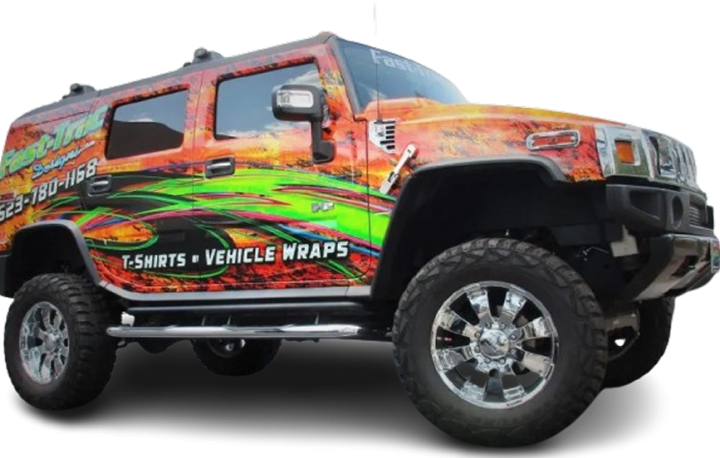
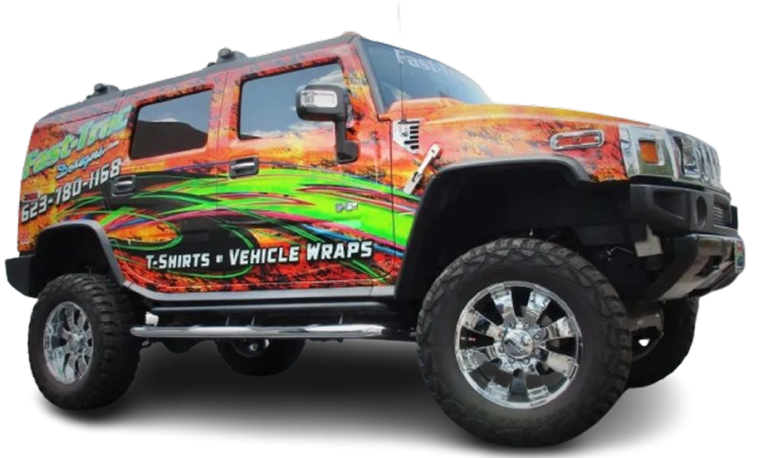
For businesses seeking fleet vehicle wraps in Mesa, Fast-Trac Designs provides professional design, production, and installation services for commercial fleets.
Their team can discuss replacement graphics and vehicle-specific requirements as part of a broader fleet branding project.
Clarifying the Scope of Graphic Restoration
Before replacement graphics are produced, the affected areas should be clearly identified.
Some projects may involve one panel, while others require several connected sections.
The scope can also depend on whether the business wants to retain the existing design or update the vehicle’s appearance.
Establishing these details helps the graphics provider determine what needs to be reproduced.
Are Fleet Wrap Replacement Costs Automatically Covered by Insurance?
Coverage for damaged graphics depends on the applicable insurance policy, the circumstances of the collision, and the insurer’s assessment.
A vehicle wrap should not automatically be assumed to have the same coverage treatment under every policy.
Graphics Can Be a Separate Repair Expense
Automotive collision estimates often focus on damaged components, labor, paint, and related repairs.
Custom graphics may represent an additional restoration requirement.
For a commercially wrapped vehicle, replacing a damaged door panel does not necessarily restore the company’s original branding.
The vehicle owner may need to identify the graphics separately when discussing the claim.
Documentation Can Support Cost Evaluation
Original invoices, project records, and details about existing graphics may help establish the scope of replacement work.
A professional graphics estimate can also clarify which panels require new material and installation.
However, whether those costs are reimbursed depends on the insurer’s determination and the policy terms.
Fleet Managers Should Avoid Assuming Coverage
Different policies may address custom equipment, commercial branding, and vehicle modifications differently.
Businesses should review the applicable policy and discuss coverage questions directly with their insurance professional or claims representative.
A graphics company can provide information about its services and proposed work, but it does not determine insurance eligibility.
Why Should Graphic Replacement Be Considered During Long-Term Fleet Planning?
Collision repairs are unpredictable, but the possibility of future graphic replacement is relevant to fleet management.
Businesses regularly add vehicles, retire older units, and update company branding.
A damaged wrap can become one more factor in those decisions.
Standardized Artwork Simplifies Future Projects
Maintaining approved designs for different vehicle types can support future graphic production.
A company operating vans, pickups, and box trucks may need separate artwork configurations for each model.
Keeping those specifications organized can help when vehicles require replacement panels or new graphics.
Fleet Age Influences Replacement Decisions
An older wrapped vehicle may already be approaching a planned branding update.
If a collision damages a significant portion of its graphics, the business may consider whether restoring the original design remains appropriate.
A newer vehicle with otherwise well-maintained graphics may require a more limited replacement.
Neither approach is universally correct.
The decision should consider the vehicle’s condition, existing wrap, and the organization’s broader branding plans.
Professional Assessment Helps Set Expectations
Replacing vehicle vinyl graphics after a collision involves more than reproducing an image.
Surface condition, material compatibility, paint curing, and the appearance of surrounding graphics all influence the outcome.
A professional assessment helps businesses understand the practical limitations before approving replacement work.
This supports more informed decisions about the appropriate scope of restoration.
Restoring Fleet Graphics After Collision Repairs
When a branded vehicle sustains collision damage, restoring its graphics is a separate but important part of returning it to the company’s fleet.
The process generally involves assessing the damaged areas, removing affected vinyl, completing the necessary automotive repairs, and allowing newly refinished surfaces to become suitable for graphic installation.
Replacement artwork must then account for the existing design, material characteristics, and condition of the surrounding graphics.
For businesses managing multiple vehicles, maintaining consistent branding may require coordination between fleet personnel, collision repair professionals, and graphics installers.
Not every collision requires a complete rewrap, and not every replacement panel will perfectly match older vinyl.
The appropriate solution depends on the damage, materials, vehicle condition, and company objectives.
Understanding these factors helps businesses plan for graphic restoration while keeping vehicle safety, proper repairs, and visual consistency as separate but connected priorities.
About Fast-Trac Designs
Serving Mesa and other Arizona communities from their Phoenix facility, Fast-Trac Designs has provided custom graphics services since 2007. Their work includes commercial fleet wraps, vehicle branding, and professional vinyl installation by certified installers, using materials from recognized manufacturers such as 3M and Avery Dennison. Fleet managers can reach their team at (623) 780-1168 or locate their Phoenix office on Google Maps.