A well-planned fence can add privacy, improve safety, and give a property a more finished look. For homeowners comparing local options, searching online for Fence company granger Indiana can help identify contractors who understand the area and its practical needs. Before requesting an estimate, consider what you want the fence to do, which materials suit your property, and what preparation the project may require.
Common fencing services
Local fence contractors typically help with more than setting posts and attaching panels. Services may include on-site consultations, measurements, design guidance, material selection, installation, gate construction, and repairs. Some contractors can also remove an existing fence or replace damaged sections, which can be useful when the rest of the structure remains sound.
A site visit is especially valuable when a yard has a slope, mature trees, landscaping, or uneven boundaries. The contractor can assess how the fence should follow the ground and where gates will be most convenient. Ask whether the estimate includes removal, cleanup, hardware, and adjustments for changes in grade. A clear scope makes it easier to compare proposals fairly.
Choosing a material
The best material depends on your priorities, budget, and willingness to handle upkeep.
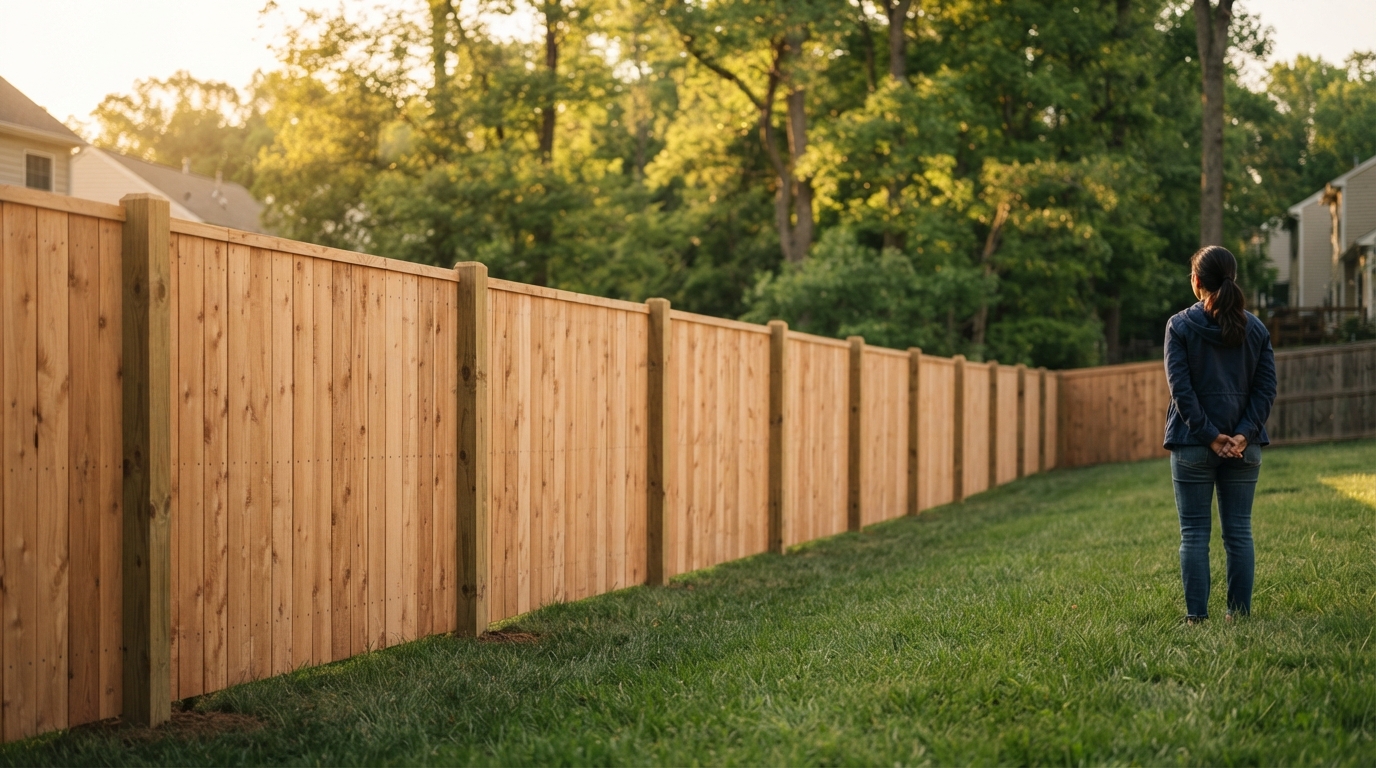
• Wood offers a traditional appearance and flexibility in height and style. It can provide strong privacy, but it needs periodic maintenance, such as staining or sealing, to help protect it from moisture and weather.
• Vinyl is a low-maintenance option available in several colors and designs. It does not require painting, although cleaning and occasional inspection of posts and connections are still worthwhile.
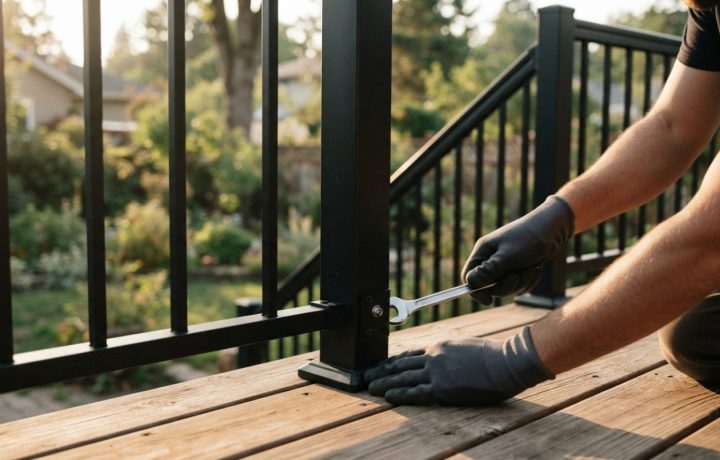
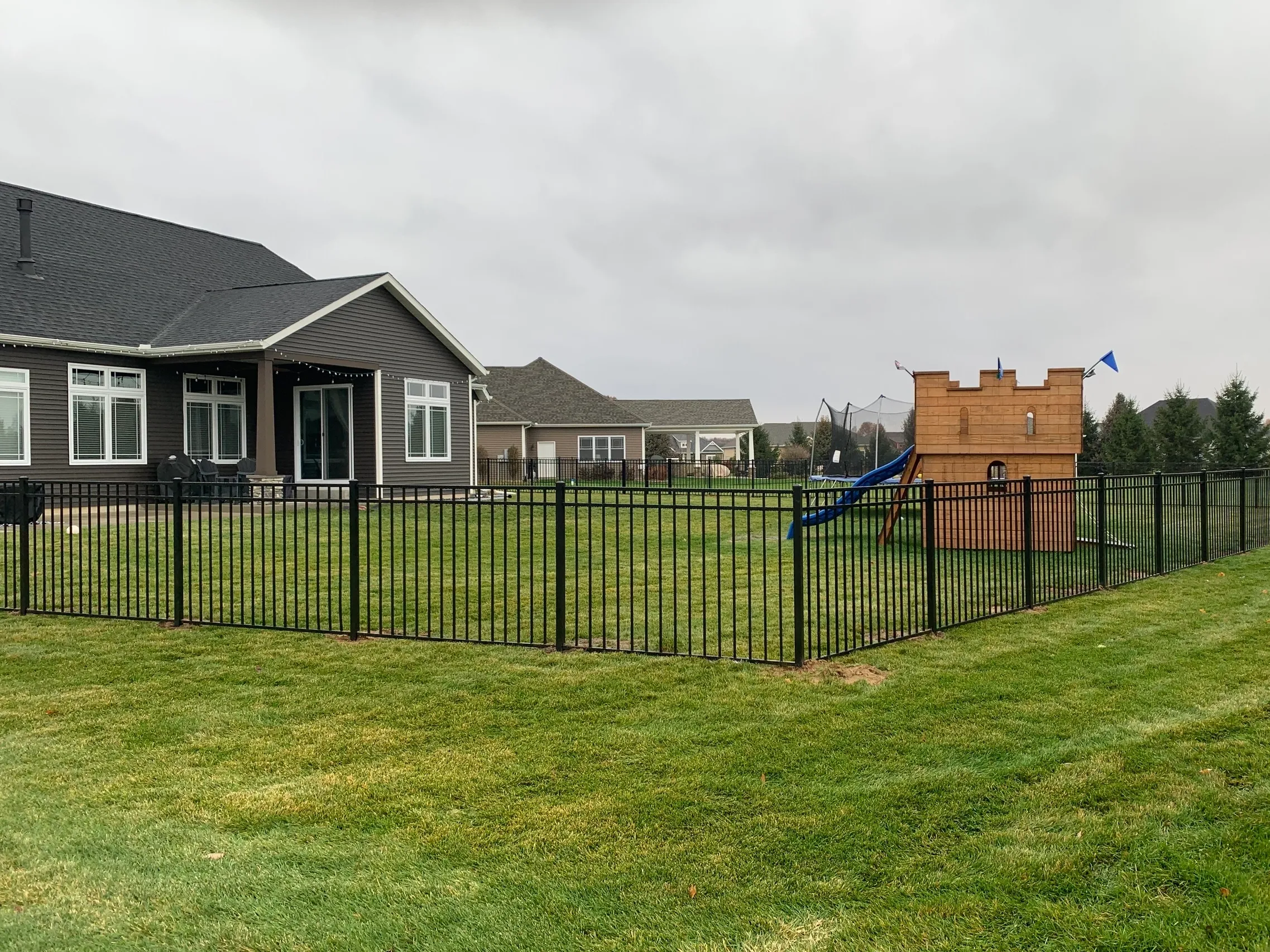
• Aluminum creates a clean, open look and works well around gardens or pools where visibility matters. It generally needs little routine care, but it offers less privacy than a solid fence.
• Chain link is often a practical choice for marking boundaries or containing pets while maintaining visibility. Privacy slats can be added to some designs, though they change the fence’s appearance and wind exposure.
Granger’s seasonal weather makes durability an important consideration. Ask how each material and installation method performs through wet conditions, temperature changes, and winter freeze-thaw cycles. For wood, discuss post treatment and protective finishes. For any fence, strong posts and suitable hardware matter as much as the visible panels.
Planning and installation
Before work begins, confirm the property line rather than relying on an old fence as a precise boundary. Check applicable local requirements and any homeowners association rules for height, placement, style, or color. Requirements can vary, so verify them before approving a design. Arrange for underground utility lines to be marked before digging, and identify sprinkler lines or other private features that may not be included in standard utility marking.
Ask for a written estimate that describes the materials, fence length and height, gate details, site preparation, schedule, and payment terms. If two quotes differ substantially, compare what each includes rather than focusing only on the final price. You can also ask about workmanship coverage and how the contractor handles weather delays.
A useful fence balances appearance, function, and long-term care. By clarifying your goals, comparing materials, checking local requirements, and reviewing a detailed estimate, you can make a confident choice for your Granger property.