
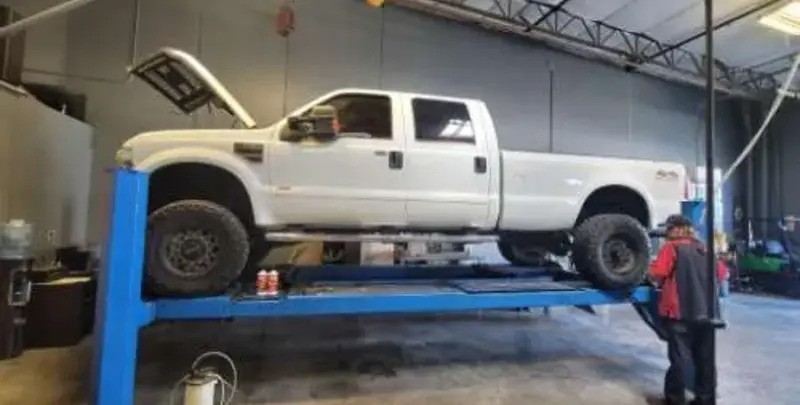
Modern diesel engines use a system called exhaust gas recirculation (EGR) to send a measured portion of exhaust back into the engine’s intake, where it lowers combustion temperatures and reduces the formation of nitrogen oxides. Because the system relies on electronic valves, a coolant-fed heat exchanger and engine computer control, servicing it calls for diagnostic equipment and diesel-specific training.
For diesel truck and van owners in Goodyear, AZ, the EGR system is one of several emissions technologies working under the hood every time the engine runs. Here’s how it works and why it’s best left to professionals.
Why Do Diesel Engines Need to Control Nitrogen Oxides?
Diesel engines burn fuel at high temperatures and pressures, which makes them efficient. Those same conditions also produce nitrogen oxides (NOx), a pollutant that contributes to ground-level ozone, or smog.
This matters in the West Valley. The 2026 State of the Air report from the American Lung Association ranks the Phoenix metropolitan area 4th in the nation for unhealthy ozone days. According to the Arizona Department of Environmental Quality, vehicles on the road produce the majority of NOx in the Phoenix area and are the biggest contributor to human-caused ozone.
EGR systems are one of the main ways diesel vehicles reduce their share of those emissions.
How Does Exhaust Gas Recirculation Work?
The idea behind EGR is simple, even though the hardware is precise. Exhaust gas contains less oxygen than fresh air. When a controlled amount of exhaust is mixed back into the intake air, it absorbs heat during combustion and lowers peak cylinder temperatures. Lower peak temperatures mean less NOx is formed.
The engine computer decides how much exhaust to recirculate based on engine speed, load, temperature and other sensor data. At times, very little exhaust is recirculated; at others, more is added to keep emissions in check.
What Are the Main Parts of a Diesel EGR System?
A typical diesel EGR system includes:
- EGR valve: an electronically controlled valve that opens and closes to meter how much exhaust enters the intake.
- EGR cooler: a heat exchanger that uses engine coolant to lower the temperature of the exhaust before it re-enters the engine. Cooler exhaust is denser and more effective at controlling combustion temperatures.
- Sensors: temperature, pressure and position sensors that report how the system is operating.
- Passages and connections: the piping and ports that carry exhaust between the exhaust side and the intake.
The EGR system works alongside other diesel emissions equipment, including the diesel particulate filter and the diesel exhaust fluid system, so each part affects how the others perform.
Why Is the EGR System Demanding to Maintain?
The EGR system operates in a tough environment. It handles hot exhaust that carries soot, and the cooler links the exhaust system to the engine’s cooling system. Over time, normal operation leaves deposits in valves and passages, and the cooler is exposed to constant heat cycling.
Goodyear’s driving conditions add to that load. Summer heat raises underhood temperatures, and diesel trucks in the area often tow trailers, haul equipment or spend long hours idling at job sites. All of these affect how hard the emissions system works.
Why Does EGR Service Require Diesel Specialists?
Because the EGR system connects the exhaust, intake, cooling system and engine computer, it isn’t something to approach as a simple part swap. Professional diesel automotive repair on the system typically involves:
- Diagnostic scan tools that read emissions-related codes, monitor sensor data and command the EGR valve to check its operation
- Cooling system testing, since the EGR cooler shares coolant with the engine
- Inspection of related components, such as intake passages, sensors, wiring and the turbocharger, which interact closely with the EGR system
- Manufacturer procedures for cleaning, replacement, gasket installation and torque specifications
Trained Diesel Engine Repair technicians look at how the whole system works together, not just one component. That approach helps diesel specialists confirm that the emissions system is operating as designed after service.
What About Removing the EGR System?
Some online sources promote “deleting” EGR systems. Under the federal Clean Air Act, removing or disabling emissions equipment on a road vehicle is prohibited. Arizona’s vehicle emissions program in the Phoenix area also checks diesel vehicles for emissions compliance. A professional diesel mechanic shop services EGR systems so they keep working the way they were designed.
When Should a Diesel Owner Have the EGR System Inspected?
A warning light, a change in engine performance or a change in exhaust should be inspected by a professional rather than left to guesswork. Routine diesel service is also a good time for an auto diesel mechanic to review the emissions system along with the rest of the engine.
Keeping Diesel Emissions Systems Working in Goodyear, AZ
Exhaust gas recirculation helps diesel trucks and vans meet emissions standards while keeping the efficiency diesel owners rely on. It’s also a precise system that ties together heat, airflow, coolant and electronics. For drivers in Goodyear, AZ, having the EGR system inspected and serviced by trained diesel technicians is the most dependable way to keep it working through Arizona heat, heavy loads and long miles.