Takeaway:
• A properly installed water filtration system depends on accurate water testing, correct sizing, and placement at the right point of use or entry.
• Filter type selection (carbon, reverse osmosis, or whole-house) should match the specific contaminants found in a water test.
• Licensed plumbing installation helps avoid leaks, pressure issues, and code violations tied to improper setup.
A successful water filtration system installation starts with testing the water supply, selecting a filter type matched to the contaminants found, and having the unit professionally connected to the home’s plumbing to maintain proper pressure and code compliance. Skipping any of these steps can lead to poor filtration performance or plumbing problems later.
For homeowners researching Water Filtration System Installation in Shreveport, LA, understanding the sequence of steps involved helps set realistic expectations about cost, timeline, and maintenance. The process is not simply “buy a unit and connect it” since water chemistry, plumbing layout, and household usage all affect the outcome.
Step 1: Test the Water Before Choosing a System
Every installation should begin with a water quality test rather than a guess about what filter to buy. Common residential concerns include sediment, chlorine taste and odor, hardness minerals, iron staining, and in some cases lead or PFAS compounds. According to the EPA’s guide on reducing PFAS with home filters, filter types such as granular activated carbon, reverse osmosis systems, and ion exchange resins each address contaminants differently, so matching the filter to what is actually in the water matters.
A basic test kit can flag obvious issues, but a laboratory analysis gives a clearer picture of mineral content and any regulated contaminants. Shreveport, LA households relying on municipal or well sources may encounter different water profiles, which is why testing before purchase avoids installing a system that does not address the actual problem.
Step 2: Match the Filter Type to the Problem
Once test results are in hand, the filter technology can be selected. Common residential options include faucet filters, pitcher filters, under sink filters, and refrigerator filters, each suited to different needs and budgets.
• Point-of-use systems : Installed at a single tap or fixture, often for drinking and cooking water only.
• Point-of-entry (whole-house) systems : Treat all water entering the home, addressing sediment, chlorine, or hardness before it reaches any fixture.
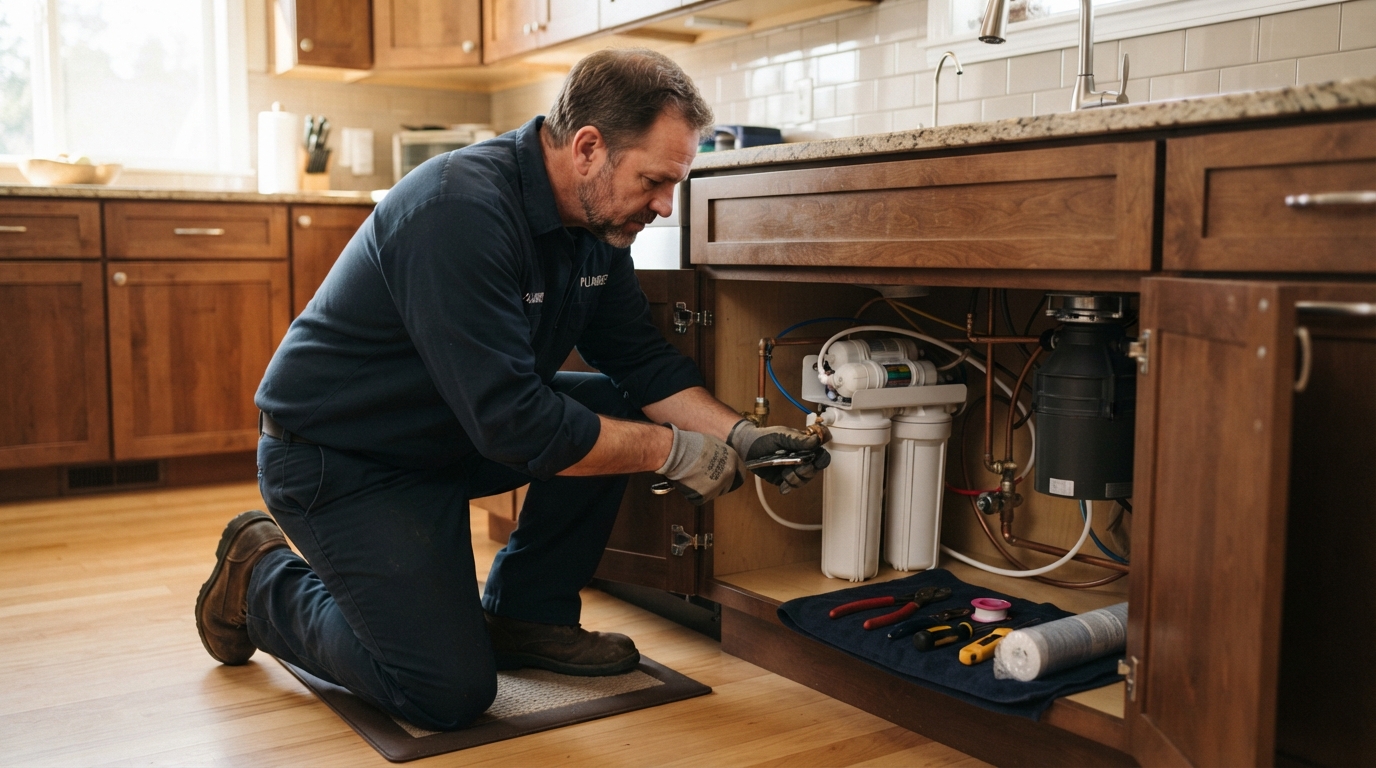
• Reverse osmosis units : Typically installed under the kitchen sink for high-purity drinking water.
Point-of-use filters are generally a relatively inexpensive treatment option compared to whole-house systems, but they only treat water at one location rather than throughout the home.
Step 3: Confirm Sizing, Placement, and Plumbing Connections
Correct installation depends on more than picking the right filter media. Flow rate, available space under a sink or near the main water line, and existing pipe material all affect how a unit is connected. Reverse osmosis systems force water through a thin barrier in a multi-stage filtration process, creating both treated water and untreated water that is sent to the drain, so drain line access needs to be planned during installation.
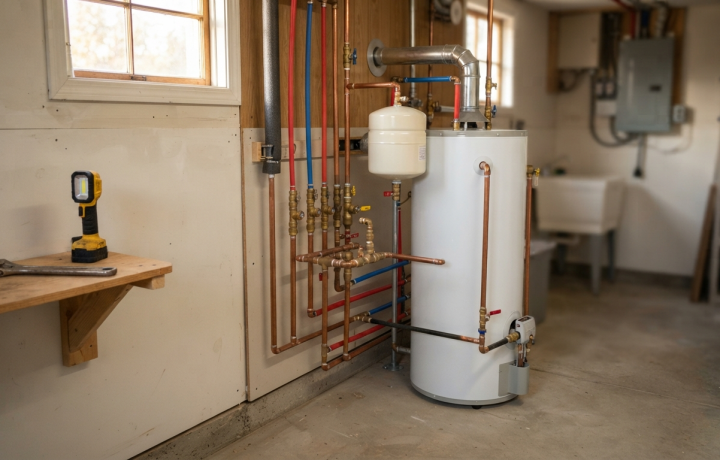
Whole-house units require placement after the main shutoff valve but before the water heater, and bypass valves should be included so the system can be serviced without cutting off water to the home. Improper placement or undersized piping can cause reduced water pressure throughout the house.
| System Type | Typical Install Location | Maintenance Frequency |
| Point-of-use (faucet/pitcher) | Single fixture | Monthly to quarterly filter changes |
| Under-sink RO | Kitchen cabinet, drinking tap | Filter changes every 6-12 months |
| Whole-house (point-of-entry) | Main water line entry | Annual filter or media checks |
Step 4: Schedule Follow-Up Testing and Maintenance
Installation is not the final step. Filters lose effectiveness over time, and periodic retesting confirms the system continues to perform as expected. Some maintenance services send a water treatment professional to the home regularly to replace filters and verify system function, which reduces the risk of a degraded filter going unnoticed.
Based in USA, licensed plumbing contractors familiar with regional water conditions, including those serving Shreveport, LA, can advise on realistic maintenance intervals for the specific system installed. Keeping a simple log of filter change dates helps homeowners track when service is due.
Frequently Asked Questions
How long does a typical water filtration installation take? A single point-of-use filter can often be connected in under an hour, while a whole-house system tied into the main water line may take a half day depending on plumbing access and any rerouting required.
Do all filters remove the same contaminants? No. Granular activated carbon filters trap chemicals as water passes through, reverse osmosis forces water through a thin barrier to separate chemicals, and ion exchange resins attract and hold contaminants, so filter choice should match the specific water test results.
Is a permit required to install a whole-house filtration system? Permit requirements vary by jurisdiction and depend on whether the installation involves modifying existing plumbing lines; checking with the local building department before work begins is advisable.
Can a water softener be combined with a filtration system? Yes, a water softener addresses hardness minerals specifically, while a separate filter can target sediment, chlorine, or other contaminants, and the two are often installed in sequence along the main water line.
A business information resource describing water treatment offerings is maintained by Rinchuso’s Plumbing & Heating Inc, which can be reviewed on the water treatment page for additional service area details.
Next Steps for Homeowners
Published installation and service area information for Rinchuso’s Plumbing & Heating Inc is available for reference when planning a filtration project.
Water filtration installation involves more than selecting a product off a shelf; it requires water testing, filter matching, correct plumbing connections, and ongoing maintenance to function as intended over time. Homeowners who follow this sequence are better positioned to avoid common pitfalls like undersized systems, incorrect placement, or filters that do not address the contaminants actually present in their water supply.