Briefly:
• Minor fixes like clearing a sink trap or replacing a toilet flapper are usually safe for homeowners to attempt.
• Gas lines, sewer backups, repiping, and water heater failures typically call for a licensed plumber.
• Knowing the difference helps prevent water damage, code violations, and repeat repairs.
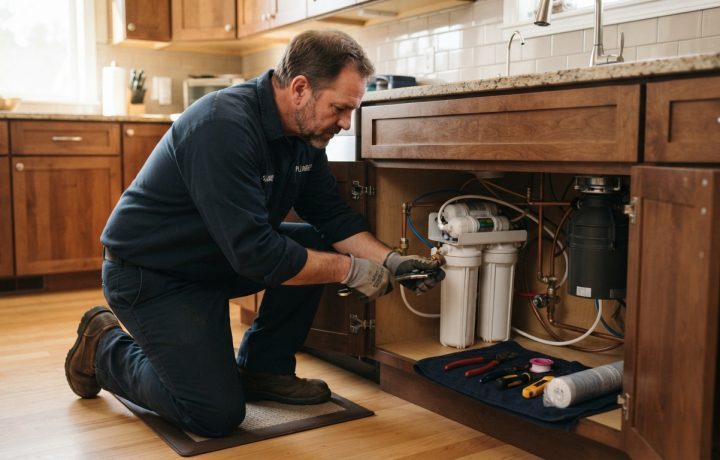
A clogged sink or a running toilet is often a reasonable do-it-yourself project, but plumbing work involving gas lines, main sewer lines, or whole-house repiping generally requires a licensed professional because of safety risks, permit requirements, and the potential for costly water damage if done incorrectly.
Homeowners in older housing stock, like much of what exists around Sewickley, PA, often encounter aging galvanized pipe, outdated fixtures, or undersized water heaters that were never designed for modern household demand. Recognizing which repairs are within reach and which ones need licensed experience can prevent small issues from becoming expensive emergencies.
Tasks Homeowners Can Usually Handle
Several common plumbing issues are low-risk and do not typically require specialized tools or licensing.
• Replacing a toilet flapper or fill valve when a toilet runs continuously
• Clearing a slow sink drain with a plunger or hand auger
• Tightening or replacing a showerhead
• Reseating a loose faucet aerator
• Replacing a worn washer on a dripping faucet
These repairs are also the exact issues flagged during national water-awareness efforts. The EPA WaterSense Fix a Leak Week initiative notes that household leaks can waste nearly 1 trillion gallons of water annually nationwide, with worn toilet flappers and dripping faucets among the most common and easiest fixes. A household that ignores a running toilet or dripping faucet for months can see a measurable increase on a water bill, which is one reason these minor repairs are worth tackling promptly even without professional help.
Situations That Call for a Licensed Plumber
Some plumbing problems carry risks that go beyond a wrench and a bucket. Attempting these without training can lead to code violations, structural damage, or health hazards.
1. Gas line work – Any connection, repair, or installation involving a gas line should be handled by a licensed plumber due to fire and carbon monoxide risks.
2. Sewer line backups or clogs – Persistent drain backups across multiple fixtures often point to a main line obstruction that requires professional inspection and clearing.
3. Repiping or re-piping older systems – Homes with galvanized or deteriorating pipe may need full repiping, a job that involves cutting into walls and understanding local plumbing codes.
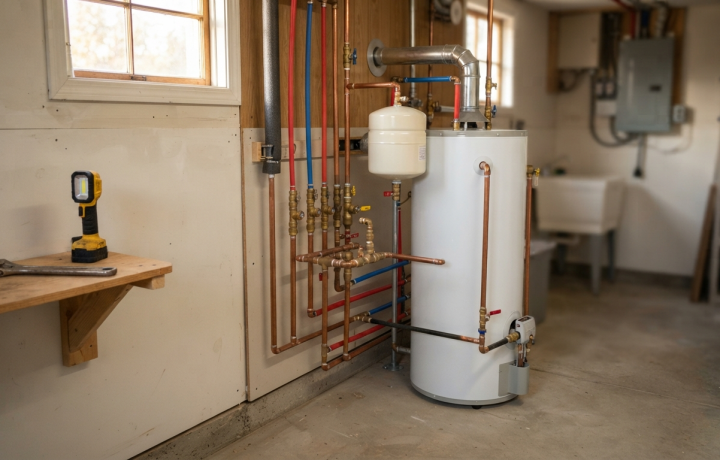
4. Water heater replacement or repair – Diagnosing failures, disposing of an old unit, and installing a new water heater involves gas or electrical connections and local permitting.
5. Leak detection behind walls or under slabs – Hidden leaks require specialized equipment to locate without unnecessary demolition.
DIY vs Professional: A Quick Comparison
| Task | DIY Suitability | Why |
| Toilet flapper replacement | Suitable for most homeowners | Simple parts, no special tools |
| Clearing a single slow drain | Suitable with basic tools | Plunger or hand auger usually sufficient |
| Gas line connection or repair | Professional required | Safety and code compliance |
| Whole-house repiping | Professional required | Requires licensing, permits, and code knowledge |
| Water heater installation | Professional required | Gas/electrical work and proper venting |
Local Considerations for Older Homes
Many properties in Sewickley, PA date back several decades, which means original plumbing materials may no longer meet current performance expectations. Aging galvanized pipe can corrode internally, reducing water pressure and increasing the likelihood of pinhole leaks, while cast iron sewer lines can develop cracks or root intrusion over time. Based in Aliquippa, PA, Mark A Redinger Plumbing & Heating Inc serves customers in Sewickley, PA, offering repair, leak detection, re-piping, and water heater services for homes dealing with these aging-infrastructure issues.
Frequently Asked Questions
How do I know if a leak is DIY-fixable or needs a plumber? A leak at a visible fixture connection, like under a sink, is often fixable by tightening or replacing a washer. A leak with an unknown source, especially one causing water stains on ceilings or walls, usually needs professional leak detection.
Is it safe to snake my own drain? A hand auger on a single slow drain is generally safe. Repeated clogs in the same drain or clogs affecting multiple fixtures at once often indicate a deeper line issue that needs professional evaluation.
When should a water heater be inspected by a professional instead of repaired at home? Any water heater issue involving gas supply, pilot lights, or electrical components should be handled by a licensed plumber, since incorrect handling can create fire or carbon monoxide risks.
Do older homes need more frequent plumbing checks? Homes with original piping from several decades ago benefit from periodic inspection, since galvanized pipe and aging fixtures are more prone to corrosion and leaks than modern materials.
Distinguishing between a quick fix and a job requiring licensed experience protects both a household’s budget and its water system’s long-term reliability. Published service details for Mark A Redinger Plumbing & Heating Inc cover repair and leak detection options available to homes in the area.