Briefly:
- Safe industrial rigging depends on trained personnel, inspected equipment, and load calculations that follow federal standards before any lift begins.
- OSHA regulations under 29 CFR 1926.251 and Subpart CC govern rigging gear, qualified riggers, and crane operations in construction and industrial settings.
- Spring Valley, NV businesses moving heavy machinery rely on engineered lift plans and certified equipment to reduce the risk of load failure or injury.
Safe industrial rigging means matching trained personnel, inspected equipment, and calculated load limits to every lift before a crane or hoist moves a single pound. The practice governs how heavy machinery, structural components, and oversized materials get secured, lifted, and repositioned without exceeding the rated capacity of the gear involved.
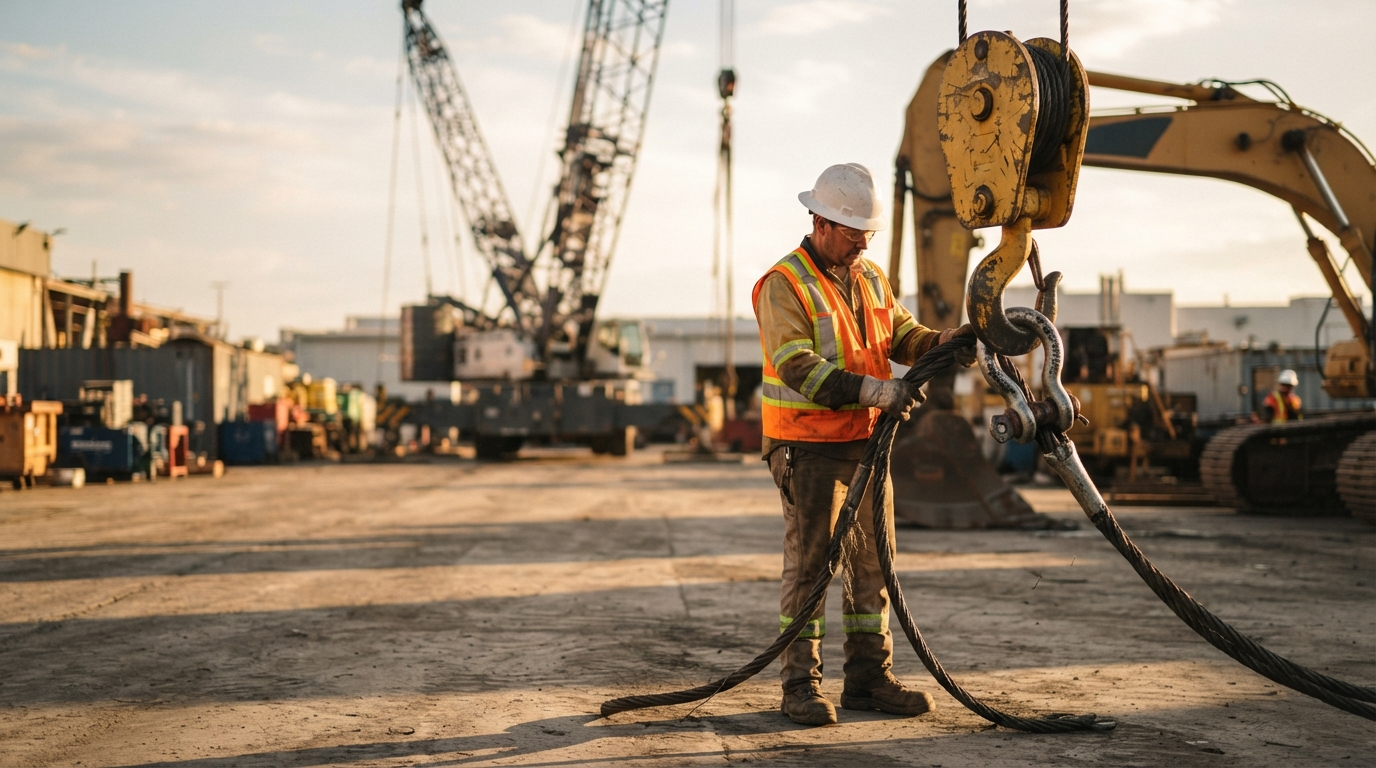
Industrial Rigging covers far more than attaching a sling to a load and signaling a crane operator. It requires a documented sequence: identifying the load weight, selecting rigging hardware rated for that weight, checking ground conditions, and confirming that every person involved understands their role before the lift starts. Projects in Spring Valley, NV that involve factory relocations, machinery installation, or structural steel work depend on this sequence being followed exactly, since a single miscalculation in sling angle or load center can shift the entire outcome of a lift.
Core Safety Standards That Govern Rigging Work
Federal rules set the baseline for how rigging equipment is inspected, rated, and used on active job sites.
- Pre-use inspection requirement: Rigging gear must be inspected before each shift, and any damaged or untagged equipment must be removed from service immediately.
- Rated load limits: Loads cannot exceed the manufacturer’s stated capacity on a sling or hardware tag, and sling angle changes that capacity in practice.
- Qualified personnel: A rigger is only considered qualified when they can attach and balance a load safely, particularly when workers are in the fall zone.
These requirements come directly from OSHA’s rigging equipment standard, which also addresses multiple-lift rigging assemblies and the safety factors required for each attachment point. Crane-specific rigging work falls under a related OSHA subpart that covers assembly, disassembly, operation, and signaling procedures for the full lifecycle of a lift.
Equipment Inspection and Load Planning
Inspection and planning form the two steps most often skipped on sites that experience rigging failures. Wire rope slings, chain slings, and synthetic web slings each have distinct removal criteria tied to visible wear, cuts, or corrosion. A sling with illegible identification tags or missing rated-load markings should never be used, since the tag is the only on-site confirmation of what that piece of gear can safely hold.
| Rigging Component | Common Defect to Check | Governing Reference |
|---|---|---|
| Wire rope slings | Kinking, broken wires, corrosion | ASME B30.9 |
| Chain slings | Bent or stretched links, wear at bearing points | ASME B30.9 |
| Synthetic web slings | Cuts, tears, melting, missing tags | ASME B30.9 |
| Hardware (shackles, hooks) | Deformation, cracks, missing latch | ASME B30.26 |
Load planning extends beyond the sling itself. Ground conditions, proximity to power lines, and the crane’s own capacity chart all factor into whether a lift can proceed safely, and engineered lift plans are often used on complex or oversized moves to document that these factors were reviewed in advance.
Why Local Project Conditions Matter
Spring Valley, NV sees a mix of commercial, industrial, and infrastructure projects where heavy equipment must move through tight access points or around active facility operations. Ground stability, available clearance, and site layout all influence which rigging configuration and crane setup are appropriate for a given job. Based in Las Vegas, NV, Dielco Crane Service serves projects across Spring Valley, NV where these site-specific variables shape the rigging plan.
Frequently Asked Questions
What is the difference between rigging and crane operation? Rigging refers to the equipment and techniques used to attach, balance, and secure a load, while crane operation refers to maneuvering the machine that lifts and moves that load.
Who is qualified to perform industrial rigging? A qualified rigger is someone who has demonstrated the ability to attach and balance loads safely, meeting criteria set by the employer or an accredited certification body.
How often must rigging equipment be inspected? Federal standards require a pre-use inspection before every lift, in addition to periodic inspections based on manufacturer guidance.
What happens if rigging equipment fails inspection? Any sling, shackle, or hardware found damaged, overloaded, or missing identification tags must be removed from service immediately and not used again until replaced or repaired.
Business Information
Dielco Crane Service operates out of Las Vegas, NV, supporting heavy lifting and rigging needs for projects in the surrounding region.
Published details for Dielco Crane Service outline the service area and availability for current rigging projects.