Snapshot:
- A malfunctioning air conditioner usually signals one of a handful of common issues: low refrigerant, a clogged filter, electrical faults, or a failing capacitor.
- Checking the thermostat, filter, and breaker before calling a technician can rule out simple fixes and speed up diagnosis.
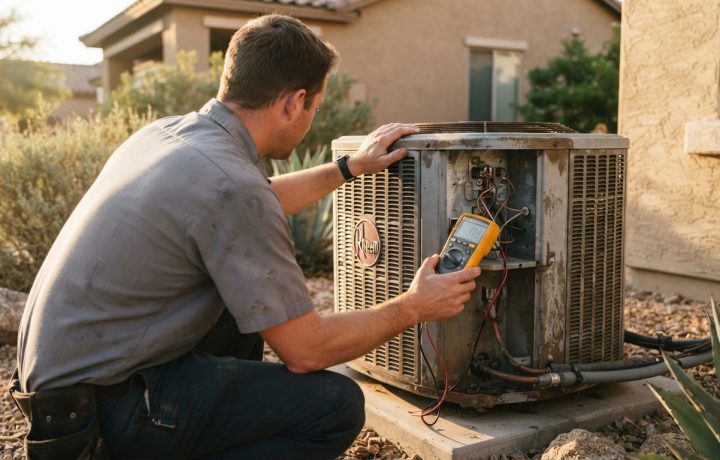
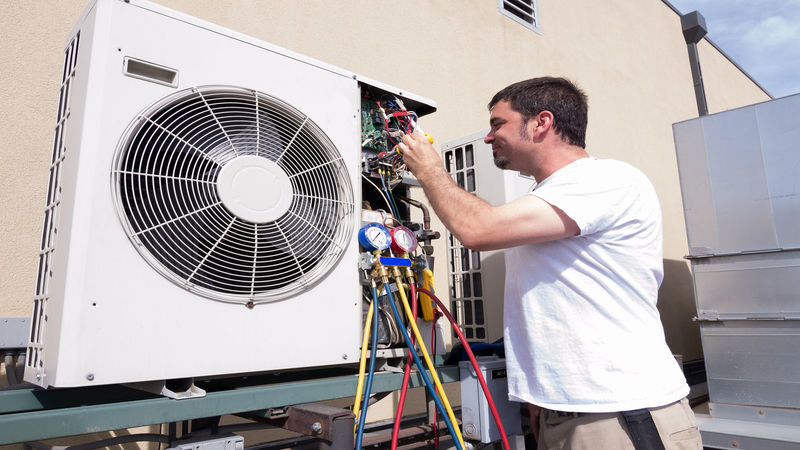
- Professional AC Repairs typically involve an inspection, diagnostic testing, and a repair estimate before any work begins.
A warm house with a silent or weakly running air conditioner points to a narrow set of likely culprits: airflow restriction, refrigerant loss, or an electrical component failure. Knowing which symptoms match which problem helps a homeowner describe the issue clearly and avoid paying for diagnostic time that a quick home check could have resolved. AC Repairs performed by a licensed technician generally start with a visual inspection and system test rather than guesswork, which keeps costs tied to the actual fault rather than trial and error.
Before dialing for service, a short walk-through of the system can save both time and money. Brinker Heating & Cooling Services is based in AC Repairs and serves customers throughout Rogers, AR, which places it within range of the region’s humid summers and the strain they place on residential cooling equipment.
Common Causes Behind a Failing AC System
Most residential air conditioner complaints trace back to a short list of mechanical or electrical issues. Recognizing these patterns helps homeowners describe symptoms accurately when scheduling service.
- Dirty or clogged air filter – restricts airflow and forces the system to work harder, which can raise energy use.
- Low refrigerant charge – often caused by a leak, resulting in warm air blowing from vents.
- Faulty capacitor or electrical connection – a frequent reason a unit will not start or shuts off unexpectedly.
- Blocked condensate drain line – can cause water pooling, musty odors, or an automatic safety shutoff.
- Frozen evaporator coil – usually linked to restricted airflow or low refrigerant, and requires the system to thaw before repair.
According to Energy.gov guidance republished by Goodman Manufacturing, replacing a clogged filter with a clean one can help lower an air conditioner’s energy consumption by up to 15 percent. That single maintenance step is one of the few AC issues most homeowners can safely address without professional tools.
What Homeowners Can Check Before Scheduling Service
A few minutes of troubleshooting can separate a simple fix from a repair that requires a technician.
- Confirm the thermostat is set to “cool” and the temperature setting is below the current room temperature.
- Check the circuit breaker panel for a tripped breaker tied to the HVAC system.
- Inspect and replace the air filter if it appears dirty or clogged.
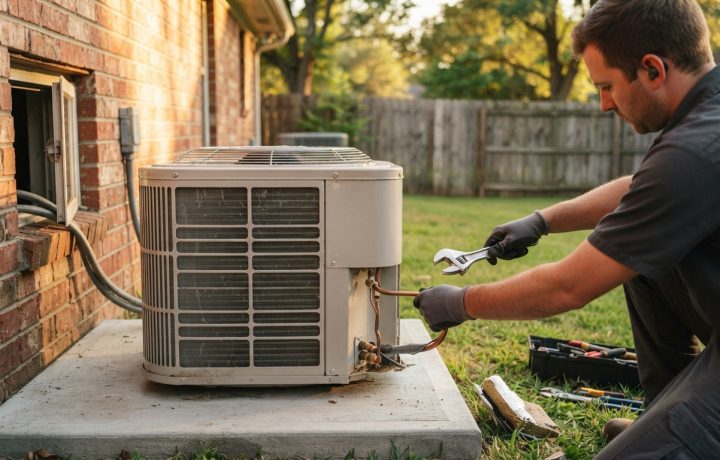
- Look at the outdoor condenser unit for debris, overgrown vegetation, or visible ice buildup.
- Listen for unusual sounds such as grinding, clicking, or buzzing, which often indicate a mechanical or electrical fault.
Tasks beyond this basic checklist, including refrigerant handling, electrical component replacement, or coil cleaning, should be left to a licensed technician. The Department of Energy’s central air conditioner guidance notes that regular maintenance, such as charging refrigerant and replacing filters, is necessary to maintain peak performance.
Seasonal Factors That Affect AC Performance in Rogers, AR
Northwest Arkansas summers bring sustained heat and humidity that push cooling systems to their limits for extended stretches. Units that run near-continuously during peak season are more prone to wear on capacitors, fan motors, and refrigerant lines than systems in milder climates. Homeowners in Rogers, AR who schedule a pre-summer inspection often catch small issues, such as a weak capacitor or a dirty coil, before they escalate into a full system failure during the hottest months.
Comparing DIY Checks vs. Professional Repair
| Task | Homeowner-Safe | Requires Licensed Technician |
|---|---|---|
| Replace air filter | Yes | No |
| Clear debris around outdoor unit | Yes | No |
| Recharge refrigerant | No | Yes |
| Replace capacitor or electrical parts | No | Yes |
| Diagnose unusual noises or odors | Limited | Yes |
Frequently Asked Questions
How quickly should a homeowner call for repair after noticing warm air? If a filter change and thermostat check do not resolve the issue within a day, scheduling a professional inspection sooner rather than later can prevent additional strain on the compressor.
Does a loud or unusual noise always mean a major repair? Not necessarily, but unusual sounds often point to a loose part or failing component, and a technician can confirm the cause before it leads to bigger damage.
Can a frozen coil be thawed and reused without repair? Thawing addresses the symptom, not the cause; the underlying airflow or refrigerant issue typically needs to be diagnosed to prevent the coil from freezing again.
Is annual maintenance enough to avoid most repair calls? Routine filter changes and an annual professional tune-up address many of the most common failure points, though some component wear is unavoidable over a system’s lifespan.
Scheduling and Service Availability
Published details for Brinker Heating & Cooling Services outline service availability for the local area. This information can help homeowners confirm scheduling options before deciding on next steps for a cooling system issue.