Choosing a new hair color is exciting, but getting a result that suits your features, lifestyle, and hair condition takes more than picking a shade from a photo. If you’re searching online for a hair stylist in Allen, TX, to guide your next color service, look for someone who considers your goals and your hair’s history before recommending a formula or technique. A thoughtful consultation can help you make an informed choice and protect the health of your hair along the way.
Start with a Thorough Consultation
A successful color appointment begins with conversation. Your stylist should ask what you want to change, how much time you spend styling your hair, and how often you’re comfortable returning for maintenance. Bring a few reference photos that show colors you like, but be prepared to discuss what appeals to you in each image. It might be the brightness around the face, the warmth of the tone, or the soft transition between shades.
It is equally important to share your hair history. Previous color, at-home dye, chemical treatments, and frequent heat styling can all affect how your hair responds. Even hair that appears healthy may have uneven porosity, which can cause color to absorb differently from one section to another. Honest details help your stylist set realistic expectations, plan the service, and avoid unnecessary damage.
Choose a Shade That Works with You
The most flattering hair color is not always the trendiest one. Skin undertones, natural hair color, eye color, and personal style can all help guide the decision. Some people feel most comfortable in cooler shades, while others prefer warmer or more neutral tones. Your stylist can assess these factors and suggest a color that complements your complexion without making the result feel unlike you.
Consider the contrast between your natural color and your desired shade, too. A subtle change may enhance your existing look while keeping upkeep low. A dramatic shift can make a bold statement, but it may require more time in the salon and a carefully planned transition. If you’re unsure, ask about starting with a softer version of your goal. You can often make a color brighter or deeper at a later appointment.
Understand the Technique and Commitment
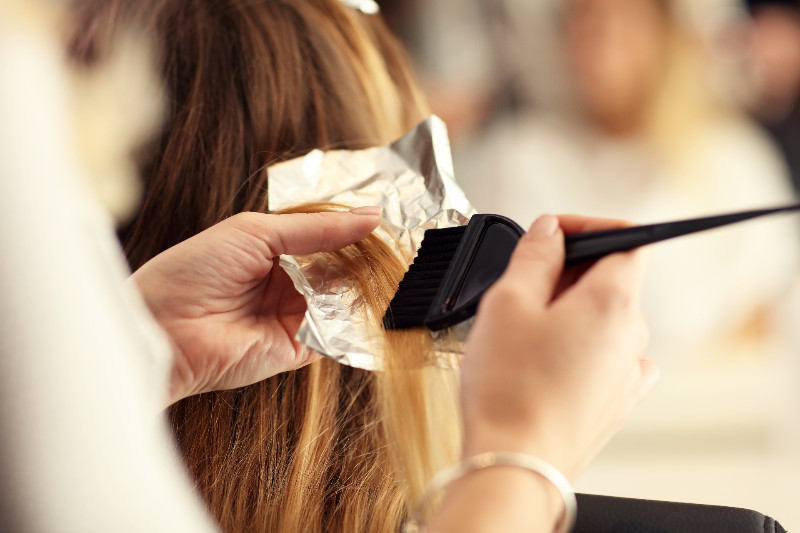
Different color techniques create different effects. A single-process color can add richness, cover gray, or shift your overall shade. Highlights and balayage can bring dimension and brightness, while a gloss or toner can refine tone and add shine. The right approach depends on your desired result, natural base, and the condition of your hair—not simply on what is popular.
Ask how the recommended technique will grow out and what maintenance it involves. Root touch-ups may be needed more frequently than blended highlights, while toning services can help keep certain shades from turning brassy. If you prefer fewer appointments, tell your stylist before the service is planned. A lower-maintenance placement or closer match to your natural color may provide a more practical result.
For major lightening, patience is often essential. Hair may need more than one session to reach a very light or vivid shade safely. Trying to lift hair too quickly can leave it fragile, dry, or prone to breakage. A professional should explain the likely process, discuss what is achievable in one visit, and recommend a gradual plan when needed.
Protect Color Between Appointments
At-home care plays a major role in how long color looks fresh. Use a color-safe shampoo and conditioner recommended for your hair type, and avoid washing more often than necessary. Very hot water can contribute to fading, so rinse with lukewarm water when possible. When using hot tools, apply a heat protectant and choose a moderate temperature.
Sun exposure, chlorine, and hard water may also affect color. A hat can help shield hair outdoors, and rinsing hair before and after swimming can reduce its exposure to pool water. If you regularly use clarifying products or have concerns about mineral buildup, ask your stylist how often to use them; frequent use may strip color or dry out the hair.
Keep up with trims and follow the care schedule suggested for your service. A gloss, toner, or conditioning treatment may be useful between major color appointments, but the right timing varies. Rather than guessing, ask what signs—such as fading, visible roots, or a shift in tone—mean it is time to check in.
Make Your Next Color Appointment Count
Before booking, prepare questions about the service, expected results, timing, upkeep, and cost. Share photos in natural lighting if possible, and be clear about what you like and what you want to avoid. If your goal requires multiple visits, ask for a step-by-step plan so you understand how the color will develop and how to care for it between sessions.
Expert color advice combines careful listening, knowledge of hair chemistry, and practical maintenance guidance. By discussing your history, choosing a shade that suits you, and following a personalized care routine, you can enjoy color that looks polished and lasts longer. The best outcome is not just a beautiful shade on appointment day—it is healthy-looking hair and a plan you can comfortably maintain.