Takeaway:
• Loose grips, worn ferrules, and shaft wobble are the most frequent golf club issues, and most can be diagnosed with a simple twist test.
• Re-gripping and re-epoxying a clubhead are DIY-friendly fixes, but cracked shafts or hosel damage usually call for a professional repair.
• Routine checks before the season starts help golfers avoid mid-round equipment failures.
A loose grip, a wobbling shaft, or a rattling clubhead are the three complaints that send most golfers searching for quick fixes. Most of these issues stem from worn adhesive, moisture exposure, or simple wear and tear, and many can be corrected at home with the right tools or resolved quickly through a golf club rental or pro shop visit. Golfers looking for a Golf Club in Grand Junction CO can also explore local facilities for equipment assistance, club maintenance, and guidance on keeping their golf clubs in good playing condition.
Golfers who play regularly on public courses often notice these problems building gradually rather than appearing all at once. Catching them early keeps a round from being interrupted and protects the overall performance of a set that may already represent a meaningful investment.
Diagnosing the Most Common Golf Club Issues
Before reaching for epoxy or a new grip, it helps to isolate exactly where the problem originates. A few checks can narrow down whether the issue is cosmetic or structural.
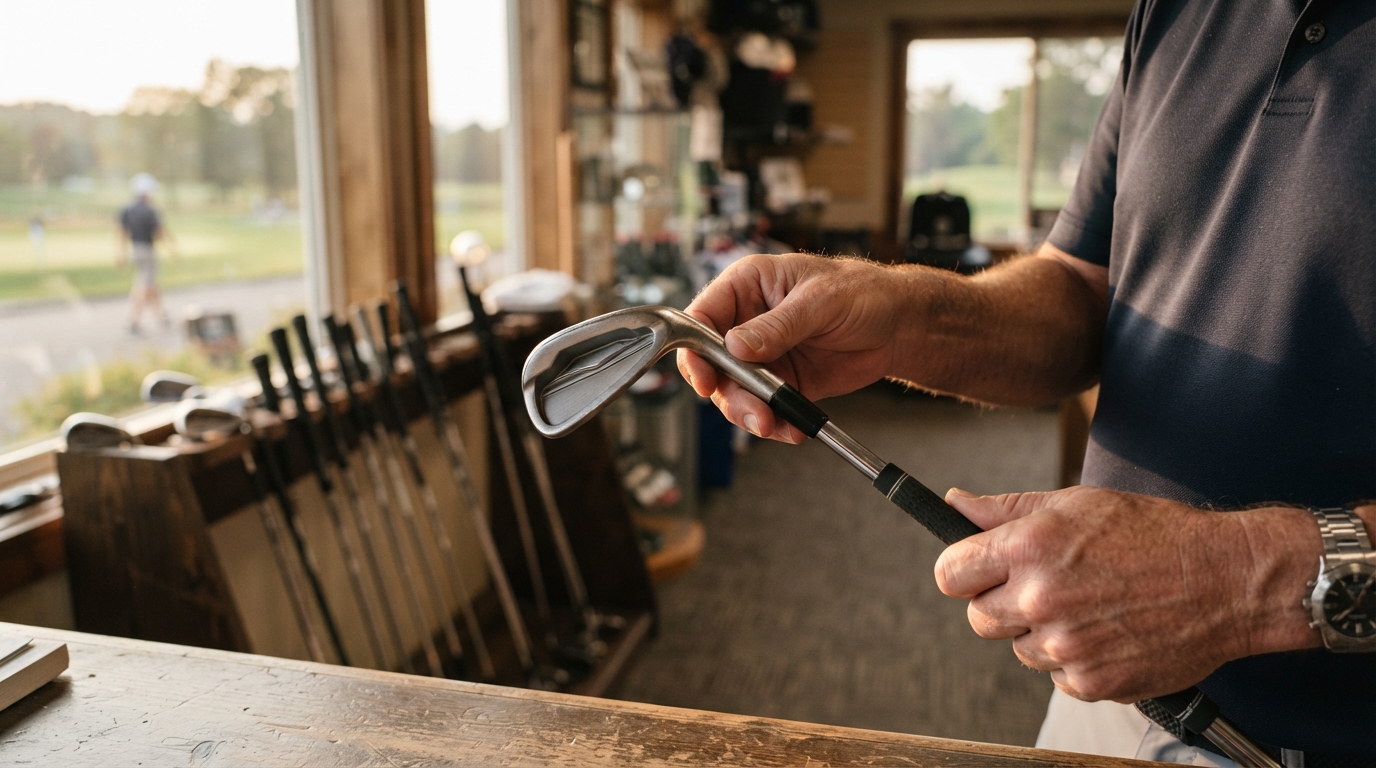
• Twist test for the clubhead. Hold the grip steady and try to twist the head; if it moves, the head itself is loose rather than the ferrule.
• Visual inspection of the ferrule. The ferrule is the small plastic ring where the head meets the shaft, and it is often the actual source of a wobble rather than the head.
• Grip slip test. Hold the club with bare hands in dry conditions; if it still rotates slightly, the grip has lost its tackiness and needs replacing.
• Shaft flex check. Flex the shaft gently near the tip; visible splintering on graphite shafts signals a structural problem that needs professional attention.
Because of improper assembly, heads and shafts sometimes feel unstable, which is why checking every connection point rather than assuming one single cause matters.
Fixing a Loose or Slipping Grip
A loose grip is the single most common complaint among recreational golfers, and it is also the easiest problem to self-correct. The fix typically comes down to preparation and patience rather than special skill.
1. Strip the old grip and clean the bare shaft thoroughly, since leftover residue weakens the new adhesive bond.
2. Wrap fresh grip tape along the full length where the grip will sit, leaving a small excess to fold into the shaft opening.
3. Apply solvent generously to both the tape and the inside of the new grip so it slides on evenly without misalignment.
4. Let the club sit undisturbed while the solvent evaporates and the grip sets fully before swinging it.
Skipping steps like removing the paper backing from grip tape is a frequent cause of grips that feel secure at first but loosen again within a few rounds. Golfers who play in humid climates or sweat heavily may also want heavier grip tape, since moisture speeds up the breakdown of the bond over a season of play.
Grip specifications are not just a comfort issue. Under the USGA Equipment Rules, a grip must be fixed to the shaft, generally circular, and kept within a maximum diameter, so a poorly installed or modified grip can make a club non-conforming for tournament play, not just uncomfortable to hold.
Repairing a Loose or Separated Clubhead
A rattling or detached clubhead almost always points to one specific failure. The epoxy bond holding the head to the shaft breaks down over time, often from repeated impact, torsional stress, or extreme storage temperatures.
| Problem | Likely Cause | Recommended Fix |
| Head twists slightly during swing | Worn or failed epoxy bond | Strip old epoxy, clean shaft tip, re-epoxy with golf-specific adhesive |
| Head feels loose but does not twist | Damaged or shifted ferrule | Push ferrule back into place or replace if cracked |
| Shaft flexes unevenly near tip | Splintered graphite shaft | Have a professional trim or replace the shaft |
| Grip spins independently of shaft | Insufficient grip tape or solvent | Remove and reinstall grip with fresh tape and solvent |
Golf-specific epoxy is engineered to withstand the torsional forces and repeated impacts of a swing, so standard hardware-store adhesives are not a reliable substitute. A shaft clamp helps hold the club steady while the epoxy cures, which prevents misalignment that can reintroduce the same wobble later.
Not every damaged club is worth restoring. The decision generally depends on the club’s condition, its age, and how the repair cost compares to buying a replacement.
• Repair when the clubhead is sound and the only issue is a worn grip, a damaged ferrule, or a loose but intact epoxy bond.
• Replace when a shaft is visibly bent, cracked, or splintered beyond a safe trim point, since continued use risks further damage and inconsistent ball flight.
• Re-epoxy a loose hosel connection when the shaft itself is undamaged, since this is often a reliable fix rather than a stopgap.
Golfers unsure which category their equipment falls into can benefit from an in-person look rather than guessing from a kitchen-table repair attempt.
Frequently Asked Questions
How often should golf grips be replaced? Grips that feel smooth, slick, or hard rather than tacky have lost their traction and should be replaced, especially for golfers who play multiple times a week in humid conditions.
Can a loose clubhead be fixed without professional tools? Yes, with a shaft clamp, acetone for cleaning, and golf-specific epoxy, most loose clubheads can be re-glued at home, provided the shaft itself is not cracked or splintered.
Is a wobbly shaft always a sign of damage? Not necessarily. Wobble can come from a loose grip, an improperly seated ferrule, or genuine wear in the shaft itself, so each connection point should be checked individually before assuming the shaft needs replacement.
Does an improperly repaired grip affect tournament eligibility? It can. Grips that are molded for the hands, exceed the maximum diameter, or are not fixed securely to the shaft may be considered non-conforming under official equipment rules.
Golfers who want to inspect, rent, or ask about club condition in person can visit the pro shop at Tiara Rado Golf Course, a public course in Grand Junction, Colorado, that offers rental clubs, a driving range, and a full-service shop for golfers working through equipment questions before a round.