Simply put:
- Indianapolis homeowners searching for a reliable concrete company typically need driveway installation, patio construction, or decorative concrete repair suited to Indiana’s freeze-thaw climate.
- Durable flatwork depends on proper base preparation, reinforcement, and finish selection, not just the concrete mix itself.
- Local contractors familiar with Marion County conditions can guide material and design choices that hold up over time.
Homeowners looking for a dependable concrete company in Indianapolis, IN, are usually trying to solve one of two problems: a cracked or aging driveway that needs replacement, or a backyard that could use a functional outdoor living surface. Both projects share the same foundation requirements, but each comes with distinct design and durability considerations worth understanding before hiring a contractor.
Custom Concrete and similar Indianapolis-area contractors commonly provide driveway installation, decorative concrete, sidewalks, patios, and related flatwork for residential properties, according to business listings on the Better Business Bureau.
What Goes Into a Long-Lasting Concrete Driveway
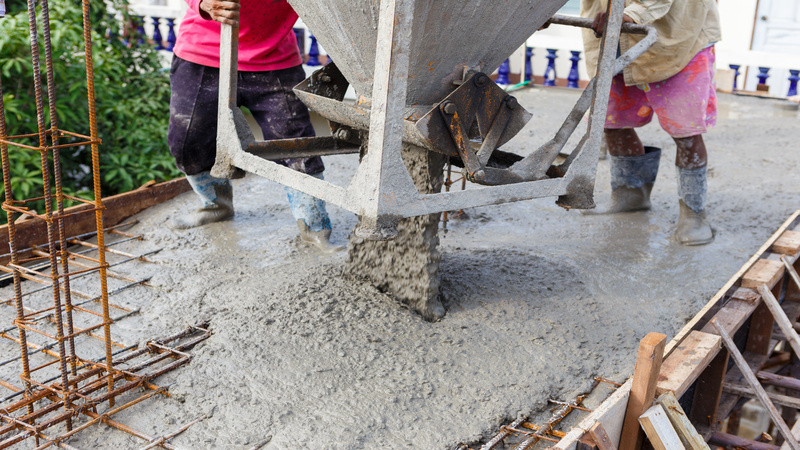
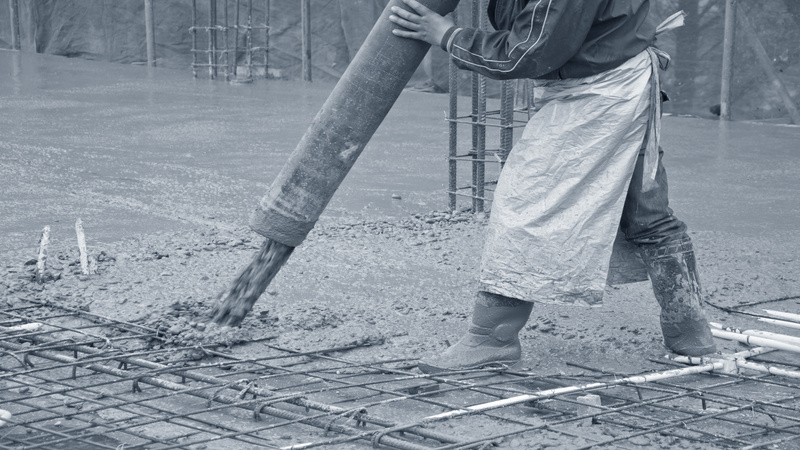
A concrete driveway is only as strong as the work done before the pour. Contractors typically follow a sequence that protects against Indiana’s seasonal freeze-thaw cycles.
- Excavation and grading to remove old material and establish proper drainage slope.
- Compacted gravel base to prevent shifting and settling.
- Steel or wire mesh reinforcement to reduce cracking under vehicle weight.
- Control joints placed at intervals so cracking, if it occurs, happens in predictable, less visible lines.
Climate plays a direct role in how concrete performs over time. The Indiana Department of Transportation publishes pavement design guidance that accounts for regional freeze-thaw stress, a factor that also applies to residential driveway construction in Central Indiana.
Patio Design Options for Indianapolis Backyards
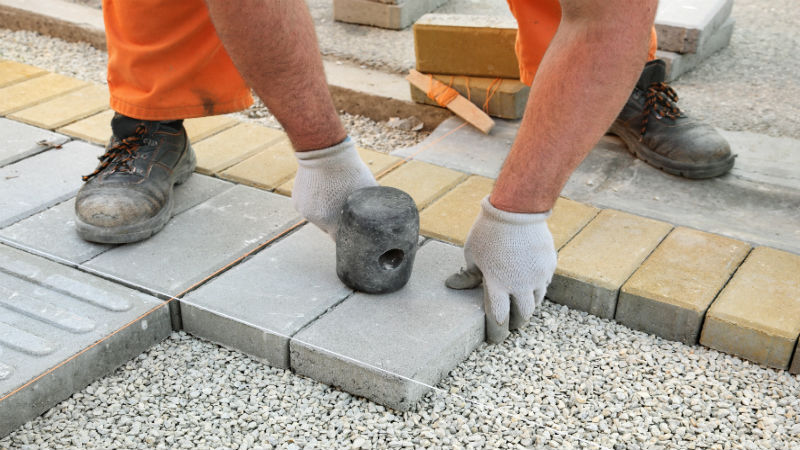
Patios serve a different purpose than driveways, so the finish and layout choices tend to focus more on appearance and outdoor livability. Homeowners generally choose between a few common finish types.
| Finish Type | Appearance | Typical Use Case |
| Broom finish | Simple, slip-resistant texture | Budget-friendly patios and walkways |
| Stamped concrete | Mimics stone, brick, or slate patterns | Patios where a decorative look is desired |
| Exposed aggregate | Textured surface showing embedded stone | Pool decks and high-traffic patios |
| Stained or colored | Custom tint applied to the surface | Patios matched to home exterior colors |
Selecting a finish often comes down to how the space will be used. A patio meant for outdoor dining and entertaining may call for a decorative stamped pattern, while a simple broom finish suits a smaller, low-maintenance sitting area.
Driveway vs Patio: Key Differences Homeowners Should Know
Although both projects use similar concrete materials, the engineering and design priorities differ.
- Load requirements: Driveways must support vehicle weight, so reinforcement and slab thickness are typically greater than for patios.
- Drainage needs: Driveways require slope toward the street or yard to prevent water pooling near the garage or foundation.
- Finish priorities: Patios often emphasize appearance and comfort underfoot, while driveways prioritize durability and traction.
- Maintenance: Sealing schedules can vary depending on sun exposure and whether the surface handles vehicle traffic or foot traffic.
Homeowners planning both projects at once may find it more efficient to coordinate timing, since base preparation equipment and concrete delivery can sometimes be shared across adjacent areas of a property.
Frequently Asked Questions
How long does a new concrete driveway take to cure before use? Concrete typically needs several days before it can support foot traffic and additional time before vehicles should be parked on it, though exact timing depends on weather conditions and mix design.
Can an existing patio be resurfaced instead of replaced? Resurfacing is sometimes an option when the underlying slab is structurally sound but the surface has cosmetic wear, though a contractor should evaluate the slab first to confirm it is a suitable candidate.
Do Indianapolis winters affect concrete differently than other climates? Freeze-thaw cycles common in Central Indiana can stress concrete surfaces, which is why proper reinforcement, control joints, and sealing schedules matter for long-term durability.
What is the difference between stamped and stained concrete? Stamped concrete uses textured molds to create a patterned surface, while staining applies color to an existing or newly poured slab without changing its texture.
Choosing the right approach for a driveway or patio project starts with understanding how you’ll use the space and how Indiana’s climate affects long-term durability. Homeowners who take time to compare finish options, reinforcement methods, and drainage plans are better positioned to get a surface that lasts for years. For more information, visit Custom Concrete.