Recap:
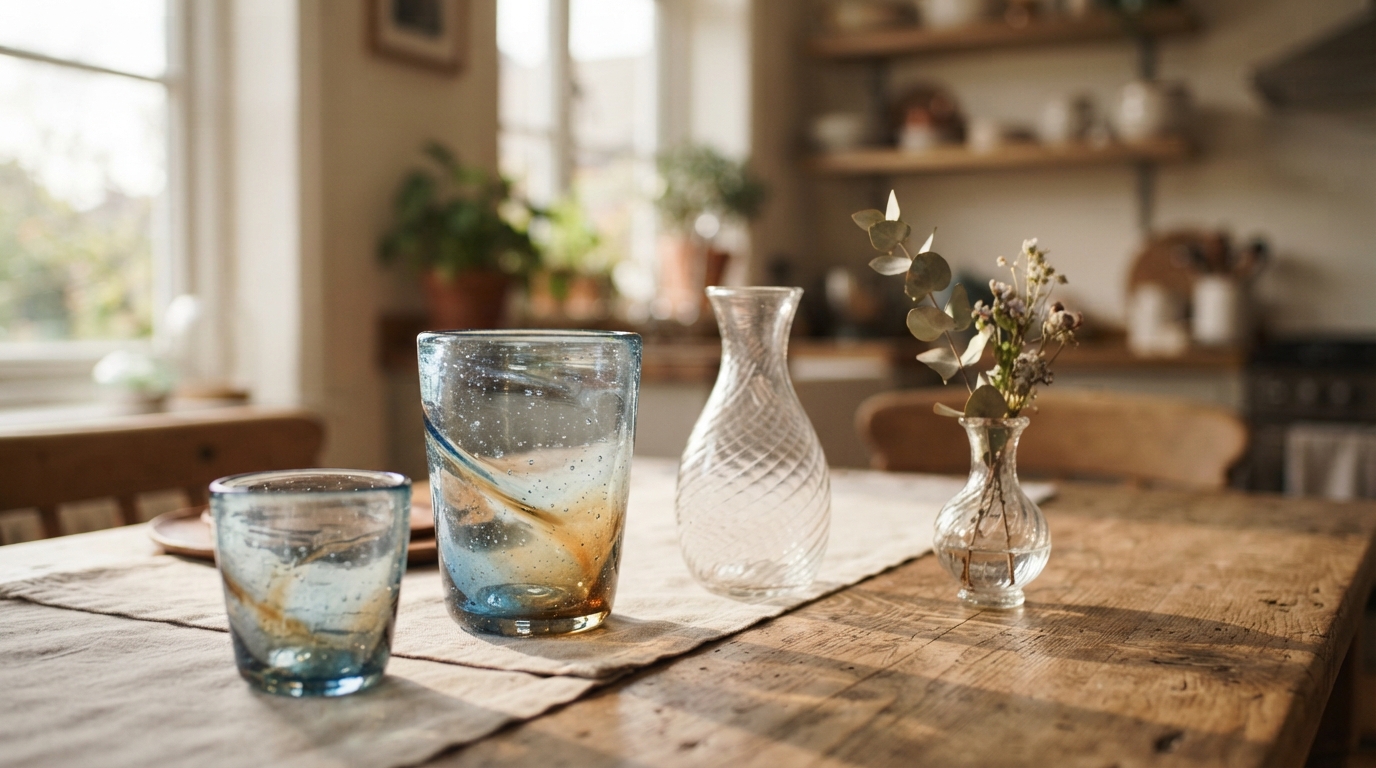
- Hand-blown glass pieces bring unique texture, color variation, and one-of-a-kind detail that mass-produced tableware cannot replicate.
- The Karma Korner carries hand-blown glass pieces alongside functional glassware, serving shoppers across Helena, East Helena, Missoula, and Bozeman, MT.
- Shoppers searching for Hand Blown Glassware in Missoula, MT can compare artisan pieces against factory-made alternatives before choosing a daily-use item.
Anyone searching for distinctive, artisan-made drinkware or display glass in western Montana is usually looking for one thing: a piece that looks handmade because it is. Hand-blown glass carries subtle variations in shape, color, and thickness that factory glass simply does not have, which is why it has become a popular choice for home dining tables and gift-giving across the region.
Shoppers browsing Hand Blown Glassware in Missoula, MT are typically comparing artisan glass pieces to standard retail drinkware, trying to understand what sets handmade glass apart before buying. The distinction matters because hand-blown glass is shaped while still molten, using techniques that date back centuries, which means no two finished pieces are identical even when made from the same mold or color batch.
What Makes Hand-Blown Glass Different From Factory Glass
Mass-produced glassware is pressed or machine-molded in uniform batches, producing identical pieces with no texture variation. Hand-blown glass is shaped by a glassworker using a blowpipe, heat, and hand tools while the material is still workable, a process documented by glass education resources such as the Corning Museum of Glass, which notes that participants in hands-on glassblowing sessions work directly with molten material to shape and inflate each piece individually.
That hands-on shaping process creates natural differences in every finished item:
- Slight asymmetry in rim thickness or base shape
- Subtle color swirls or gradients from pigment application during the hot-forming stage
- Small air bubbles or texture marks that reflect the handmade process rather than a manufacturing flaw
- Weight and balance that vary slightly from piece to piece
These characteristics are part of the appeal, not a defect. A hand-blown tumbler or display piece carries visual interest that a uniform, mass-produced glass cannot replicate.
Comparing Hand-Blown Glass to Standard Retail Glassware
| Feature | Hand-Blown Glass | Standard Factory Glass |
| Production method | Shaped individually by hand while molten | Machine-pressed or molded in bulk |
| Visual consistency | Natural variation piece to piece | Uniform and identical |
| Color and texture | Often swirled, layered, or hand-applied | Flat, consistent coloring |
| Everyday use | Durable for daily use with careful handling | Built for high-volume, low-cost use |
This comparison is useful for shoppers deciding whether a piece is meant for everyday dining, display, or gifting. Hand-blown glass tends to suit people who want a functional item that also serves as a conversation piece on a shelf or table.
Where to Find Hand-Blown Glass Pieces Near Missoula
The Karma Korner carries hand-blown glass as part of its broader selection of smoke accessories and specialty items, serving customers in Helena, East Helena, Missoula, and Bozeman, MT. The shop’s glass selection ranges from functional, everyday pieces to more artistic, collector-oriented designs, giving shoppers room to choose based on how they intend to use the item.
Shoppers who want hand-blown glass for regular use should consider a few practical points before buying:
- Check the thickness of the base and walls if the piece will see daily handling.
- Ask about care instructions, since hand-blown glass can react differently to temperature extremes than tempered glass.
- Look closely at color application, since hand-applied pigment often looks different in natural light versus indoor lighting.
Caring for Hand-Blown Glass at Home
Because each piece is shaped individually, care routines matter more than they do with mass-produced glassware. Hand washing is generally safer than high-heat dishwasher cycles, since rapid temperature shifts can stress glass that was not tempered for that kind of use. Storing pieces away from direct contact with other hard items also reduces the risk of chips along thinner edges.
Treating hand-blown glass as a functional piece rather than strictly decorative extends its life while still letting it serve its purpose at the table. A little extra care keeps the natural character of the piece, the swirls, bubbles, and asymmetry, intact for years of regular use.
Frequently Asked Questions
Is hand-blown glass safe for daily use? Yes, most hand-blown glass is designed for regular handling, though hand washing and careful storage help preserve thinner or more decorative pieces over time.
What makes hand-blown glass more expensive than standard glassware? The individual shaping process takes more time and skill than machine molding, and no two pieces come out identical, which adds value compared to mass production.
Can I find both functional and decorative hand-blown pieces in one shop? Yes, shops that carry hand-blown glass often stock a range from everyday drinkware to more artistic, display-oriented pieces, allowing shoppers to choose based on intended use.
Does hand-blown glass need special cleaning products? No special products are typically required, though gentle hand washing with mild soap is generally recommended over high-heat dishwasher cycles.
Hand-blown glass offers a practical way to bring handmade character into daily routines, whether that means a drinking glass used every morning or a display piece that catches afternoon light. Shoppers in the Helena and Missoula area who want to see these pieces in person can visit The Karma Korner to compare styles, colors, and sizes before choosing a piece suited to their home.