
Summary first:
- The right residential camera system matches camera type, placement, and connectivity to your property’s layout and lighting conditions.
- Night vision, motion alerts, and weather resistance are baseline features worth prioritizing over brand name alone.
- Professional installation helps avoid blind spots and wiring problems common with do-it-yourself setups.
Homeowners searching for residential camera systems typically want clear footage, reliable alerts, and remote access without guessing at placement or wiring. The right setup depends less on a single “best” camera and more on matching hardware to the property’s layout, lighting, and coverage priorities.
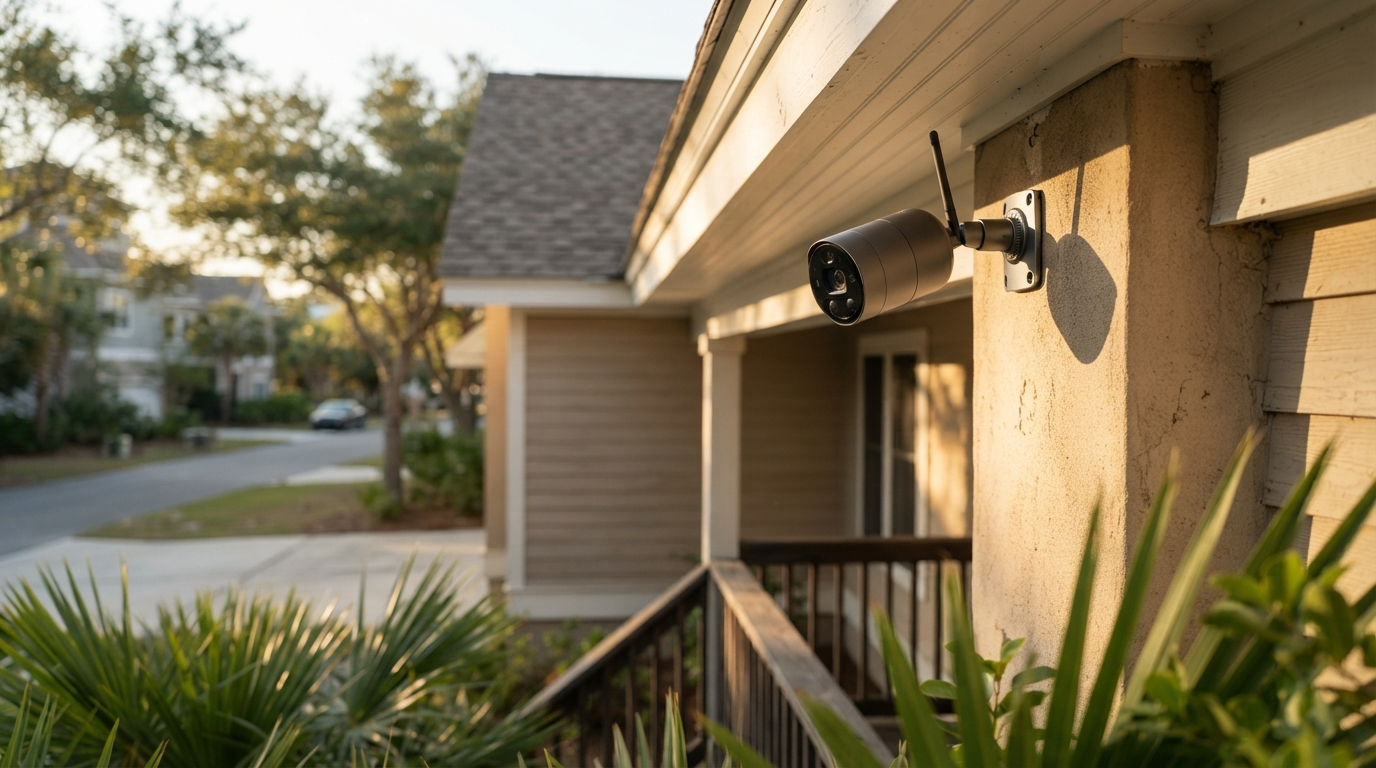
Residential Camera Systems Charleston SC are available in several configurations, including wired, wireless, and hybrid systems, each designed to accommodate different budgets, property layouts, and security needs. Charleston-based provider Coastal Burglar Alarm notes that the right option depends on a property’s layout, lighting conditions, and coverage goals, and that it offers a range of systems suited to coastal climates and varied property types. That distinction matters because a camera that performs well in a dry, temperate region may underperform in humid or storm-prone areas.
Matching Camera Types to Property Needs
Not every home needs the same camera hardware. Coverage goals, entry points, and local weather all influence which configuration makes sense.
- High-definition units capture clear footage day and night.
- Night vision models are designed for dark entryways, parking areas, and rear yards.
- Motion-activated cameras send instant alerts to your phone.
- Weather-resistant models are built to handle humidity, heat, and occasional storm seasons.
- Wireless and wired configurations are chosen depending on a building’s layout and coverage needs.
Homeowners in flood-prone or coastal neighborhoods should weigh weatherproofing as heavily as resolution, since exposed hardware faces more wear than indoor units.
Features That Matter Most for Home Coverage
Resolution and night vision get most of the attention, but a few other features determine whether a system is genuinely useful day to day.
| Feature | Why It Matters | Typical Use Case |
|---|---|---|
| Night vision | Maintains visibility after dark | Entryways, driveways, rear yards |
| Motion detection | Sends real-time alerts | Package theft, perimeter monitoring |
| Weather resistance | Withstands heat, humidity, storms | Outdoor and coastal installations |
| Smartphone integration | Enables remote live viewing | Checking in while away from home |
A residential setup built around these features gives homeowners night vision for clear footage in darkness, motion detection with instant alerts, weather-resistant designs, and smartphone integration for live viewing. Combined, these features let a system function day and night without requiring constant manual checking.
Security researchers also note that securing the camera network itself is part of choosing a system, not an afterthought. The FTC’s guidance on securing home security cameras recommends keeping cameras on a separate network from computers and printers, and using unique passwords rather than factory defaults, to reduce the risk of outside access to live feeds.
Installation Decisions That Affect Long-Term Performance
Camera placement and wiring quality influence how well a system performs for years, not just on installation day. A professional assessment typically covers the full property before any equipment goes up.
- Site assessment to identify vulnerable entry points and blind spots.
- Camera placement planning based on lighting and sightlines.
- Wiring and mounting suited to the property’s construction.
- Ongoing support to keep the system operational over time.
This approach mirrors how Coastal Burglar Alarm structures its residential installations, where specialists design and install systems that cover vulnerable areas, work with homeowners to find the right setup, install cameras strategically for maximum coverage, and provide training to use the system efficiently. Skipping a formal site assessment is one of the more common reasons homeowners end up with coverage gaps around side entrances or detached garages.
Frequently Asked Questions
Do residential camera systems need to be wired or can they be wireless? Either option can work. The choice depends on the building’s layout and coverage needs, since wireless and wired configurations are selected depending on a building’s layout and coverage requirements.
What features should a homeowner prioritize first? Night vision, motion alerts, and weather resistance cover the most common gaps homeowners run into, particularly for outdoor units exposed to heat and storms.
Can a camera system work for both small homes and larger properties? Yes. Surveillance setups are designed to work for both homes and businesses, with camera count and placement adjusted to the property’s size.
Is professional installation necessary, or can homeowners install cameras themselves? Professional installation reduces the risk of wiring errors and coverage gaps, since a trained team can handle everything from initial site assessment to wiring, mounting, and ongoing support.
Choosing a residential camera system comes down to matching hardware features, placement, and installation quality to the specific property rather than picking equipment based on brand recognition alone. Homeowners who start with a clear list of vulnerable areas and desired features are better positioned to get consistent, usable coverage. For Charleston-area homeowners weighing these decisions, Coastal Burglar Alarm residential camera services reflect the kind of site-specific planning that tends to produce fewer blind spots and fewer surprises after installation.

