Summary:
• Professional system commissioning verifies that electrical systems are properly installed, tested, and operating before a facility goes live.
• It reduces costly failures, supports regulatory compliance, and extends equipment life in complex facilities.
• Engaging a qualified commissioning team early in a project is one of the highest-return investments available to facility managers.
Professional system commissioning services give facility owners documented proof that every electrical system performs as designed before occupancy or energization. For complex facilities, skipping this step rarely saves money — it typically shifts costs to emergency repairs, downtime, and compliance penalties.
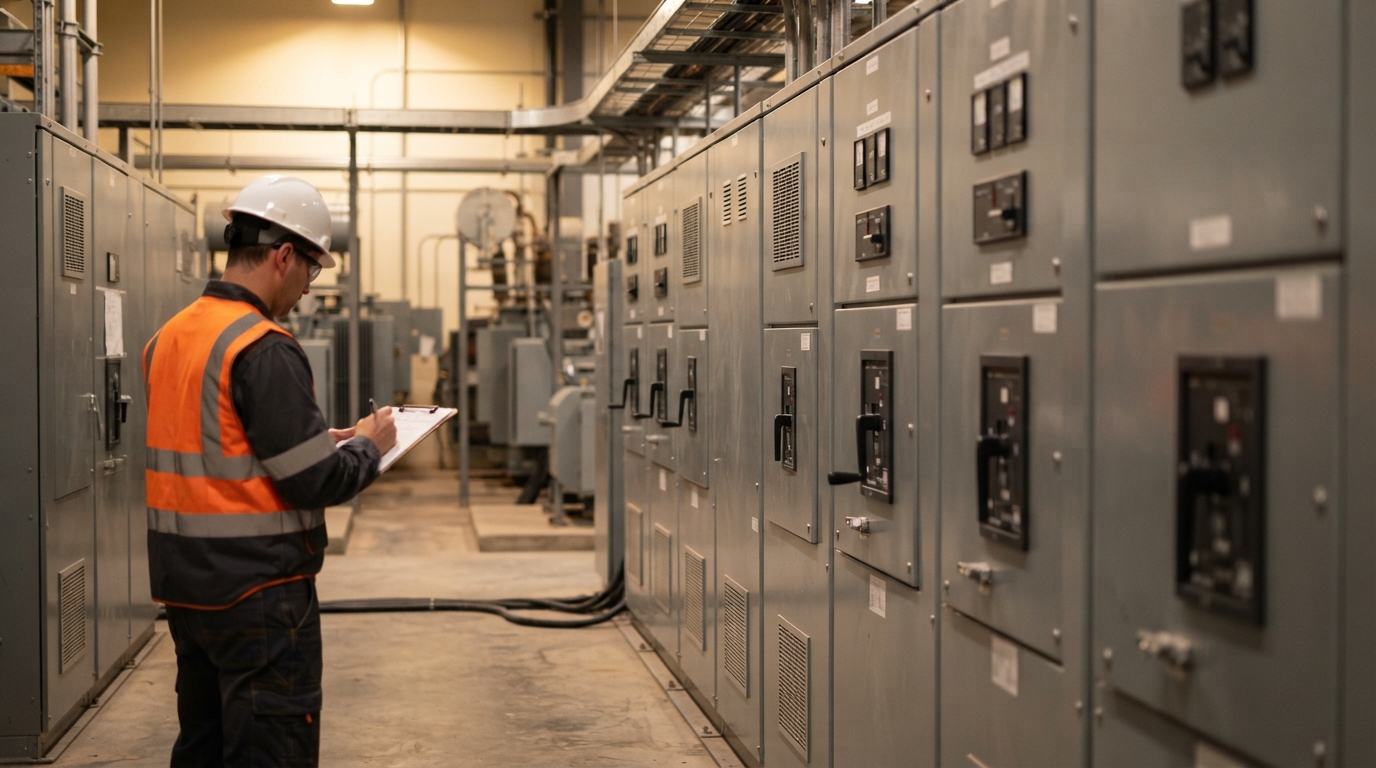
Commissioning is a quality assurance process that ensures all building systems perform interactively according to the owner’s design intent and operational needs. In electrical infrastructure, this means verifying that switchgear, protective relays, grounding systems, and distribution equipment all function within specifications—not just individually, but as an integrated whole. System Commissioning Services from JET Electrical Testing, LLC help verify that electrical systems operate safely, reliably, and as intended, supporting system performance, operational readiness, and long-term reliability.
What Professional Commissioning Actually Covers
Teams following nationally recognized standards, including NETA and NFPA guidelines, ensure every project meets regulatory and safety requirements. In practice, a structured commissioning scope for a complex facility typically includes:
• Equipment acceptance testing for new or upgraded gear
• Dielectric insulation testing and grounding system verification
• Switchgear testing across low, medium, and high voltage levels
• Protection and control system verification
• Relay calibration and functional testing
• Documentation of test results and performance baselines
Complete system commissioning services use tailored diagnostics that find problems before they become failures, testing grounding systems, dielectric insulation, and equipment to ensure they are safe, well-insulated, and ready to use.
According to the Whole Building Design Guide, commissioning assists in delivering a project that is efficient, safe, and healthy — optimizing energy and water use, reducing operating costs, and facilitating operations and maintenance staff orientation and training.
Core Benefits for Complex Facilities
The case for professional commissioning goes well beyond a regulatory checkbox. The benefits are measurable and compound over the life of the facility.
Early Fault Detection Prevents Expensive Failures
A commissioning team can identify and correct problems or deficiencies in a building or system before it is put into service, helping to prevent operational issues and improve overall performance and reliability.
Commissioning can extend equipment life and reduce warranty claims, leading to fewer service calls, reduced energy use, and reduced potential for catastrophic equipment failure. In mission-critical environments, that difference is measured in avoided downtime costs.
Documented Compliance and Reduced Liability
Documentation is the backbone of every commissioning phase. Issue logs, commissioning plans, test reports, and training records create an auditable trail that protects owners during disputes and supports future facility upgrades.
The cost of not commissioning equals the increased costs of correcting design and construction deficiencies later, plus the costs of inefficient operations.
Improved Long-Term Operational Performance
| Commissioning Benefit | Impact on Facility Operations |
| Pre-energization fault detection | Prevents equipment damage at startup |
| Verified relay and switchgear calibration | Ensures protective systems respond correctly |
| Grounding system confirmation | Reduces shock hazard and equipment damage risk |
| Documented performance baseline | Supports future maintenance and upgrades |
Commissioning leads to improved system performance by ensuring that equipment and systems are properly designed, installed, maintained, and optimized to work together.
When to Engage a Commissioning Team
Timing matters significantly. Early commissioning authority involvement reduces requests for information, change orders, and project disputes by catching coordination problems before they are built into the structure.
Commissioning is appropriate at several project stages:
1. New facility construction and initial energization
2. Major equipment upgrades or switchgear replacements
3. Utility substation modifications
4. Acceptance testing for newly installed apparatus
Working closely with facility managers, engineers, and contractors delivers accurate reporting, clear recommendations, and actionable insights that support informed decision-making.
Frequently Asked Questions
What types of facilities benefit most from system commissioning? Facilities requiring maximum uptime, such as semiconductor fabs, data centers, and pharmaceutical manufacturing plants, find systems commissioning absolutely critical. Utility substations, hospitals, and water treatment facilities carry similar risk profiles.
Does commissioning apply to existing facilities, or only new construction? Commissioning, used as a more forensic problem identification and solutions-based process, can be applied to an existing facility or system even if it was not initially commissioned.
What standards govern electrical system commissioning? Commissioning performed in compliance with NETA standards ensures that testing follows recognized industry benchmarks for electrical equipment performance and safety.
How does commissioning affect long-term maintenance costs? Commissioning provides more useful operations and maintenance condition baseline and performance data, which helps maintenance teams diagnose problems faster and plan repairs more accurately over the life of the facility.
For facilities where electrical failure carries serious operational or safety consequences, professional commissioning is not a discretionary line item. It is the structured verification process that confirms every system is ready before the stakes are real. NETA-accredited expertise, 24/7 availability, and a documented, standards-driven approach support commissioning projects of all scales—from individual equipment acceptance testing to complete substation upgrades. Get directions to JET Electrical Testing, LLC