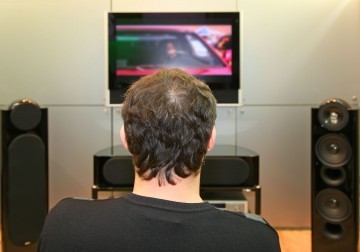
Designing a home theater is an exciting way to bring the cinematic experience into your living space. Whether you’re an avid movie watcher, a sports enthusiast, or a gamer, a well-installed home theater can transform your leisure time. When searching for “Home Theater Installation in Smyrna GA,” many homeowners want to ensure their investment delivers both comfort and quality. Before moving forward, it’s essential to evaluate several key factors to guarantee a smooth installation process and optimal performance. For those interested in professional assistance, Home Theater Installation in Smyrna, GA, can help guide your decisions.
Room Selection and Acoustic Planning
The first step in any home theater project is choosing the right room. Consider a space that’s isolated from high-traffic areas to minimize outside noise and distractions. Basements or dedicated spare rooms often work well, as they provide a controlled environment for sound and lighting.
Acoustic treatment is another critical aspect. Hard surfaces like tile or glass can cause echoes, while soft materials such as carpets, drapes, and upholstered furniture help absorb sound for a richer audio experience. Soundproofing the room can also prevent noise from disturbing the rest of the house.
Key Considerations for Room Selection:
• Room size and shape: Rectangular rooms are generally preferred for balanced sound distribution.
• Ceiling height: Higher ceilings can affect speaker placement and sound quality.
• Light control: Minimize natural light to reduce glare on screens and improve picture quality.
Equipment Choices and Wiring Needs
Selecting the right equipment is vital for achieving the theater experience you envision. Start by considering the type and size of the display—whether you prefer a large LED TV or a projector with a screen. The audio system is equally important; options range from soundbars to advanced surround sound setups.
Proper wiring and cable management are crucial for both safety and aesthetics. Plan for concealed wiring within the walls or under flooring to maintain a clean look and reduce tripping hazards. It’s also wise to leave room for future upgrades, as technology continues to evolve rapidly.
Equipment Checklist:
1. Display: TV or projector with appropriate resolution and size for your room.
2. Audio: Surround sound speakers, subwoofers, and receivers.
3. Source devices: Streaming boxes, Blu-ray players, or gaming consoles.
4. Universal remote or smart home integration for seamless control.
Seating, Lighting, and Ventilation
Comfort is a key part of the home theater experience. Choose seating that provides clear sightlines to the screen and accommodates the number of viewers you expect. Recliners or tiered seating can enhance comfort and visibility.
Lighting should be adjustable and non-intrusive. Wall sconces, dimmable overhead lights, or LED strips can create the perfect ambiance without causing screen glare. Ventilation is also important, as electronic equipment generates heat, and a comfortable temperature is essential for longer viewing sessions.
Bringing a home theater into your residence involves thoughtful planning, from selecting the right room and managing acoustics to choosing the best equipment and ensuring comfort. Taking the time to consider these factors will help you create a space that’s both functional and enjoyable for years to come.
Ready to turn your vision into reality? Start planning your home theater today, and don’t hesitate to reach out to professionals for guidance on installation and design. Your perfect entertainment space is just a few steps away!