Radon is a naturally occurring radioactive gas that can enter a home through gaps in foundations, crawl spaces, and other openings. It has no smell, taste, or color, so you cannot tell whether it is present without testing. If you are researching Radon detection services Loveland CO, understanding how testing works can help you make a confident decision about protecting your household.
Why Radon Testing Matters
Radon forms as uranium in soil and rock breaks down. The gas can move through the ground and collect indoors, particularly in lower levels and areas close to the foundation. Loveland homes may be affected regardless of age, construction style, or whether they have a basement. Two neighboring properties can also have very different readings, so a nearby test result cannot establish the radon level in your own home.
Long-term exposure to elevated radon is a serious health concern. Testing is the only way to learn whether levels in your home are high. It can be especially valuable before buying or selling a property, after completing significant renovations, or when a household has never tested.
What to Expect From a Detection Service
A professional radon test uses specialized equipment to measure the gas in the air. Depending on the property and the reason for testing, a technician may use a short-term test, which typically runs for a few days, or a longer-term test that gives a better picture of average exposure over time. The testing approach should follow appropriate protocols, including keeping windows and exterior doors closed as much as practical during a short-term test.
Placement matters. Testing is generally performed in the lowest level of the home that is regularly used or could be finished for living space. A qualified technician can identify a suitable location, set up the device correctly, and explain any conditions that could affect the result. Following those instructions helps make the reading more useful.
After testing, review the results and ask questions if anything is unclear. The U.S. Environmental Protection Agency recommends taking action when the measured level is 4 picocuries per liter (pCi/L) or higher. Because there is no known risk-free radon level, homeowners may also choose to reduce exposure when results fall below that threshold.
If Your Results Are Elevated
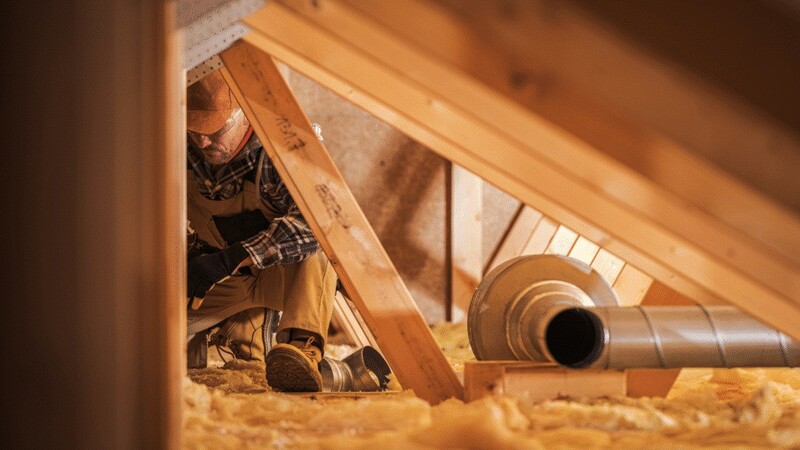
A high reading does not mean you need to move out. It means you should discuss next steps with a qualified radon professional. A mitigation system is designed to draw radon from beneath the home and vent it safely outdoors, reducing the amount that can enter living areas. The right solution depends on factors such as the foundation, soil conditions, and the home’s layout.
Once mitigation is installed, test again to confirm the system is working as intended. Retesting is also sensible after major foundation work or renovations that change airflow. Keeping records of test results, repairs, and follow-up measurements makes it easier to track the home’s radon history.
Make Testing Part of Home Care
Radon testing is a straightforward step that can uncover a hidden indoor air concern. Arrange testing with a qualified provider, follow preparation instructions, and use the results to guide any needed action. With accurate measurement and appropriate follow-up, Loveland homeowners can make informed choices and help keep their homes safer for the people who live in them.