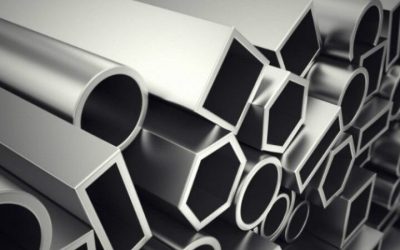
In high-stakes industrial applications where structural durability and weight-sensitive performance are paramount, material selection is the cornerstone of project success. Engineering firms and procurement specialists across the United States increasingly specify Aluminum Square Bar as a primary solution. This profile offers a sophisticated balance of high strength-to-weight ratios and design flexibility, making it a critical component in modern heavy-duty and precision applications.
The Technical Superiority of Aluminum Square Bars
Aluminum square bars are engineered for environments that demand structural support without the prohibitive mass of ferrous metals. Unlike steel, aluminum allows for significant weight reduction in critical systems—a factor that is non-negotiable in sectors such as automotive chassis engineering, aerospace framework, and industrial transport.
Furthermore, the metallurgical properties of aluminum provide an inherent oxide layer that ensures long-term corrosion resistance. In volatile industrial environments involving chemical exposure or high moisture, these bars maintain their structural integrity, significantly lowering the Total Cost of Ownership (TCO) by reducing maintenance cycles and premature material failure.
Strategic Advantages for American Engineering
Utilizing aluminum square bars in domestic industrial projects provides several high-level advantages:
- Exceptional Strength-to-Weight Ratio: This allows for the support of substantial loads while maintaining low overall mass, which is vital for fuel efficiency in transport and load-bearing limits in construction.
- Precision Machinability: Aluminum facilitates high-speed machining, clean welding, and precise drilling. This streamlines the fabrication of complex components and reduces machine-shop downtime.
- Environmental Resilience: Its natural resistance to rust makes it an ideal candidate for both sterile indoor facilities and rugged outdoor infrastructure.
- Architectural Integration: The clean, metallic finish of aluminum supports modern industrial design standards, serving both as a visible aesthetic element and a concealed structural member.
High-Impact Industrial Applications
The utility of aluminum square bars is evident across several specialized sectors:
- Commercial Construction: Utilized in high-load window mullions, curtain wall supports, and curtain tracking systems.
- Aerospace and Defense: Essential for lightweight brackets, internal bulkheads, and instrumentation supports that require flight-certified reliability.
- Industrial Machinery: Often used for the fabrication of jigs, fixtures, and robotic arm components where dimensional stability is required.
- Energy Infrastructure: Employed in solar panel racking systems and electrical enclosures due to its durability and conductive properties.
Technical Selection Criteria
To ensure optimal performance in professional applications, engineers should evaluate the following:
- Alloy Specification: Selecting the correct grade (e.g., 6061-T6 for general structural use or 7075 for high-stress aerospace needs) is critical for meeting safety factors.
- Anodizing and Surface Treatments: Determine if hard-coat anodizing or powder coating is required for specialized abrasion resistance or dielectric insulation.
- Tolerances and Load Ratings: Consult verified mill test reports (MTRs) to ensure the bar stock meets the specific tensile and yield strength requirements of the project.
Conclusion: Engineering for the Future
Specifying an aluminum square bar is a strategic decision that enhances the robustness and adaptability of American industrial projects. Its unique blend of corrosion resistance and ease of integration makes it the preferred choice for engineers and commercial builders. By selecting high-quality aluminum stock, you ensure that your structural assemblies are capable of meeting the rigorous demands of modern industrial standards.