At glance:
• A memorial service differs from a funeral mainly because it typically takes place without the body present, offering flexibility in timing and location.
• Planning involves choosing a setting, deciding on format and participants, and selecting readings, music, or tributes that reflect the person’s life.
• Families in Lima, OH can plan a service within days or weeks of a death, depending on scheduling needs and family preferences.
Families searching for guidance often want a clear, practical starting point rather than abstract advice about grief. A memorial service gives relatives and friends a structured way to gather, share memories, and mark a loss without the logistical requirements tied to burial timing.
Unlike a traditional funeral, this type of gathering is not bound to a specific timeline after death, which gives families more room to coordinate travel, venue availability, and personal readiness. That flexibility is often the deciding factor for families weighing their options.
Memorial Service Versus Funeral: Key Differences
Understanding the distinction helps families choose the format that fits their circumstances and budget.
| Feature | Memorial Service | Traditional Funeral |
| Body present | Usually not present | Typically present in casket |
| Timing | Flexible, can occur weeks later | Usually within days of death |
| Location options | Funeral home, church, outdoor space, private residence | Often funeral home or place of worship |
| Common elements | Readings, music, photo displays, shared memories | Religious rites, viewing, procession |
Each format can be adapted further with cultural, religious, or personal preferences layered in in order to reflect what mattered to the person being honored.
Steps to Plan a Service That Feels Personal
A structured approach reduces stress during an already difficult time and helps ensure nothing important gets overlooked.
1. Choose a date and location. Consider whether an indoor venue, outdoor setting, or place of worship best suits the gathering size and tone.
2. Decide who will speak. Family members, close friends, or a religious leader can share reflections; some families prefer an open period for guests to speak.
3. Select music and readings. Favorite songs, poems, or religious texts often anchor the emotional tone of the gathering.
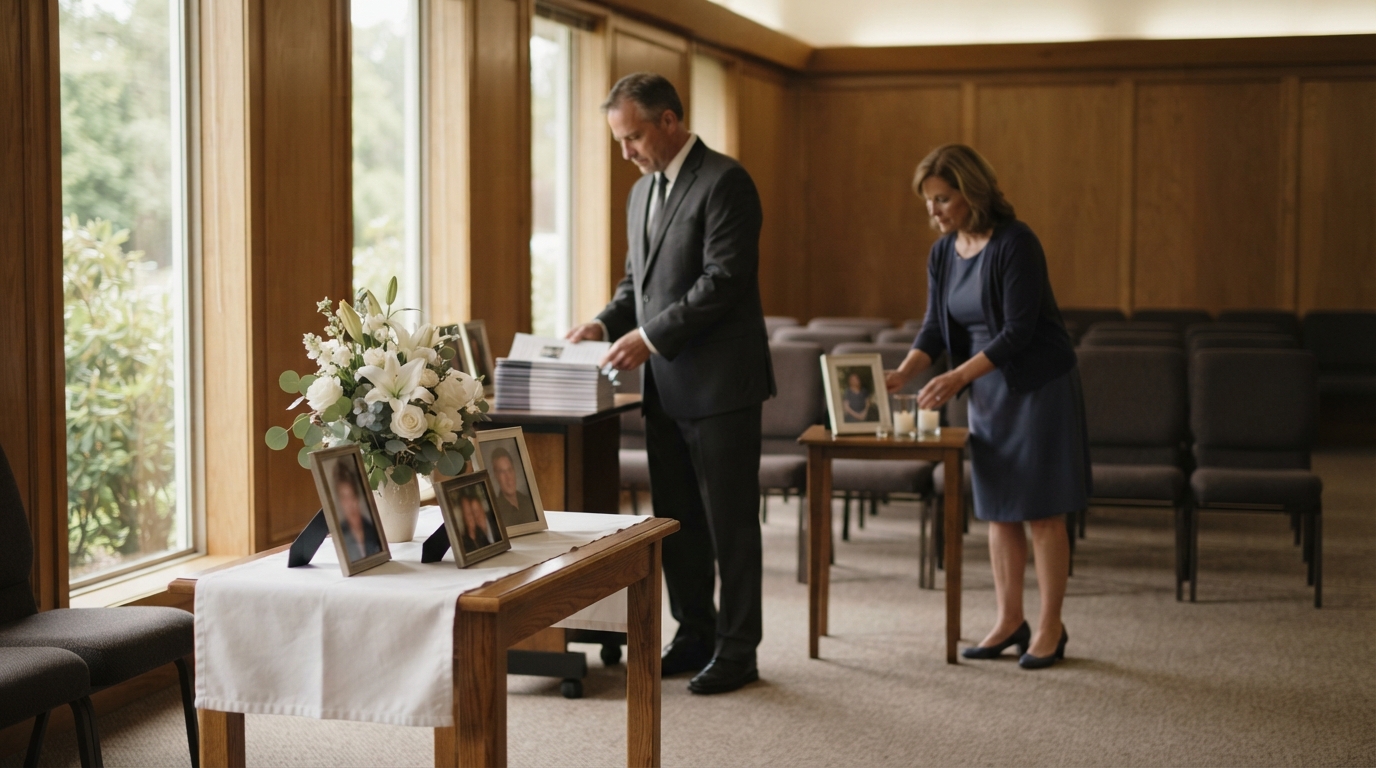
4. Plan visual elements. Photo displays, video tributes, or memory tables with personal items give attendees something tangible to connect with.
5. Arrange for refreshments or a reception. A simple gathering afterward gives guests time to console one another and share stories informally.
Grief support organizations note that structured mourning rituals can play a measurable role in emotional processing after loss. The national institute on aging outlines how formal and informal mourning practices help people adjust to loss over time, which underscores why thoughtful planning matters beyond logistics alone.
Choosing Elements That Reflect the Person’s Life
Generic programs rarely capture what made someone distinct, so families in Lima, OH increasingly favor touches that reflect specific interests or values.
• Themed displays tied to hobbies, careers, or causes the person cared about.
• Personalized readings written by family members instead of only traditional texts.
• Multimedia tributes combining photos, video clips, and voice recordings.
• Charitable tie-ins , such as donation requests to an organization meaningful to the deceased.
These choices do not need to be elaborate. A single meaningful detail, like a favorite song or a display of handwritten letters, often resonates more than an extensive program.
Practical Considerations for Families in Lima, OH
Logistics still matter even when the focus is emotional and personal. Families coordinating a gathering should think through a few practical factors before finalizing plans.
• Guest count and venue capacity , since available spaces vary widely in seating and parking.
• Weather considerations , particularly for outdoor services during Ohio’s variable spring and fall conditions.
• Scheduling around out-of-town relatives , which often pushes the service a week or more past the date of death.
• Printed or digital programs , which help guests follow the order of events and keep a keepsake.
Addressing these details early prevents last-minute scrambling and allows more attention to go toward the people gathering rather than the arrangements themselves.
Frequently Asked Questions
How long after a death should a memorial service be held? There is no fixed rule. Many families hold the gathering within one to three weeks, depending on travel needs and venue availability.
Can a memorial service include religious elements even if the family is not strongly religious? Yes. Many services blend secular and religious elements, such as a hymn alongside a personal reading, based on what feels appropriate to the family.
Is a reception necessary after the service? No, but many families find that a brief gathering afterward gives guests a chance to connect and share memories in a less formal setting.
What if family members disagree on the format? Open discussion beforehand, ideally with a written outline of preferences, helps avoid disagreements and ensures the service reflects shared wishes.
Planning Support and Next Steps
Based in USA, Chiles-Laman Funeral Homes serves customers across Lima, OH.
Additional planning resources and service information are available through chiles-lamanfh.com for families reviewing their options.