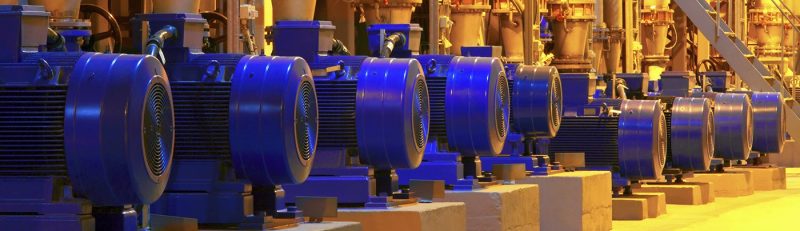
When a production-line motor fails, every hour of lost operation can affect schedules, labor costs, and customer commitments. Replacing the unit may seem like the fastest fix, but it is not always the most practical or affordable option. Businesses comparing repair solutions online may search for Electric motor rewinding New York, especially when they need to restore equipment while controlling expenses.
Restore Equipment Without Replacing the Entire Motor
Rewinding involves removing damaged or deteriorated wire from a motor’s stator or rotor and installing new windings. A qualified repair provider can also inspect related components, such as bearings, insulation, and the core, to determine whether other work is needed.
If the motor’s main structure remains sound, rewinding can extend its useful life without the expense and lead time associated with purchasing a replacement. This can be particularly valuable for older or specialized equipment that would be difficult to source. Before approving the work, ask for a clear assessment of the motor’s condition and whether repairing it is likely to deliver dependable service.
Shorten Downtime Through Early Planning
A motor problem rarely happens at a convenient time, but preparation can make recovery faster. Keep records of each motor’s specifications, operating conditions, repair history, and criticality to production. These details help technicians evaluate the issue and identify an appropriate repair path sooner.
It also helps to know which motors are essential to daily operations and whether a spare is available. For critical equipment, establish a response plan before failure occurs. That might include identifying a repair provider, arranging transportation, and confirming how quickly inspections and repairs can begin. Clear communication about the symptoms, operating environment, and required return date can reduce delays and prevent avoidable misunderstandings.
Control the Full Cost of a Repair
The price of a repair is only one part of its financial impact. Consider shipping, labor, installation, lost production, and the possibility of repeat failure. Rewinding may be cost-effective when the motor is repairable and the expected service life justifies the investment. However, a severely damaged core, repeated winding failures, or poor efficiency may make replacement the wiser choice.
Ask for an itemized estimate and a written explanation of the findings. Useful questions include:
- What caused the winding failure?
- Were the bearings, insulation, and core inspected?
- What testing will be completed before the motor is returned?
- Are repair work and materials covered by a warranty?
Understanding the answers helps decision-makers compare options based on reliability and lifecycle cost, not just the lowest initial quote.
Prevent Repeat Failures
A repaired motor’s performance depends on more than the quality of the winding work. Overheating, moisture, contamination, voltage imbalance, excessive vibration, and overloading can contribute to failure. Correcting these conditions is essential if the repaired unit is to remain in service.
After installation, monitor temperature, noise, vibration, and current draw. Follow recommended lubrication and inspection schedules, keep cooling passages clean, and confirm that the motor is properly aligned and matched to its load. These steps can reveal developing issues before they trigger another shutdown.
A timely, well-planned repair can help businesses return equipment to service while avoiding unnecessary replacement costs. By reviewing the motor’s condition, comparing total costs, coordinating the repair process, and addressing the cause of failure, New York operations can make informed decisions that support reliable production and reduce downtime.