Quick summary:
• Denver’s clay soil, elevation, and freeze-thaw cycles put extra strain on irrigation systems, making routine checks and prompt repairs essential for lawn health.
• Common issues include broken heads, valve leaks, and controller malfunctions, most of which are fixable without replacing the entire system.
• Seasonal startup, mid-season audits, and fall winterization form the backbone of a repair and maintenance routine suited to Colorado’s climate.
A malfunctioning irrigation system wastes water, stresses turf, and often signals a deeper problem with valves, pipes, or controllers that needs attention before damage spreads. Homeowners searching for reliable sprinkler repair in Denver CO are usually dealing with uneven coverage, pooling water, or a system that will not power on, all of which point to specific, diagnosable causes rather than a need for full replacement.
Denver’s combination of clay-heavy soil, intense UV exposure, and sharp overnight temperature swings accelerates wear on sprinkler components in ways that milder climates do not experience. Soil that expands and contracts with moisture shifts can crack PVC pipe joints or shift sprinkler heads out of alignment within a single season. Recognizing these patterns early helps homeowners decide when a quick fix will hold and when a professional inspection is the better move.
Common Sprinkler Problems in Denver Yards
Most irrigation complaints trace back to a handful of recurring issues, many tied directly to local soil and weather conditions.
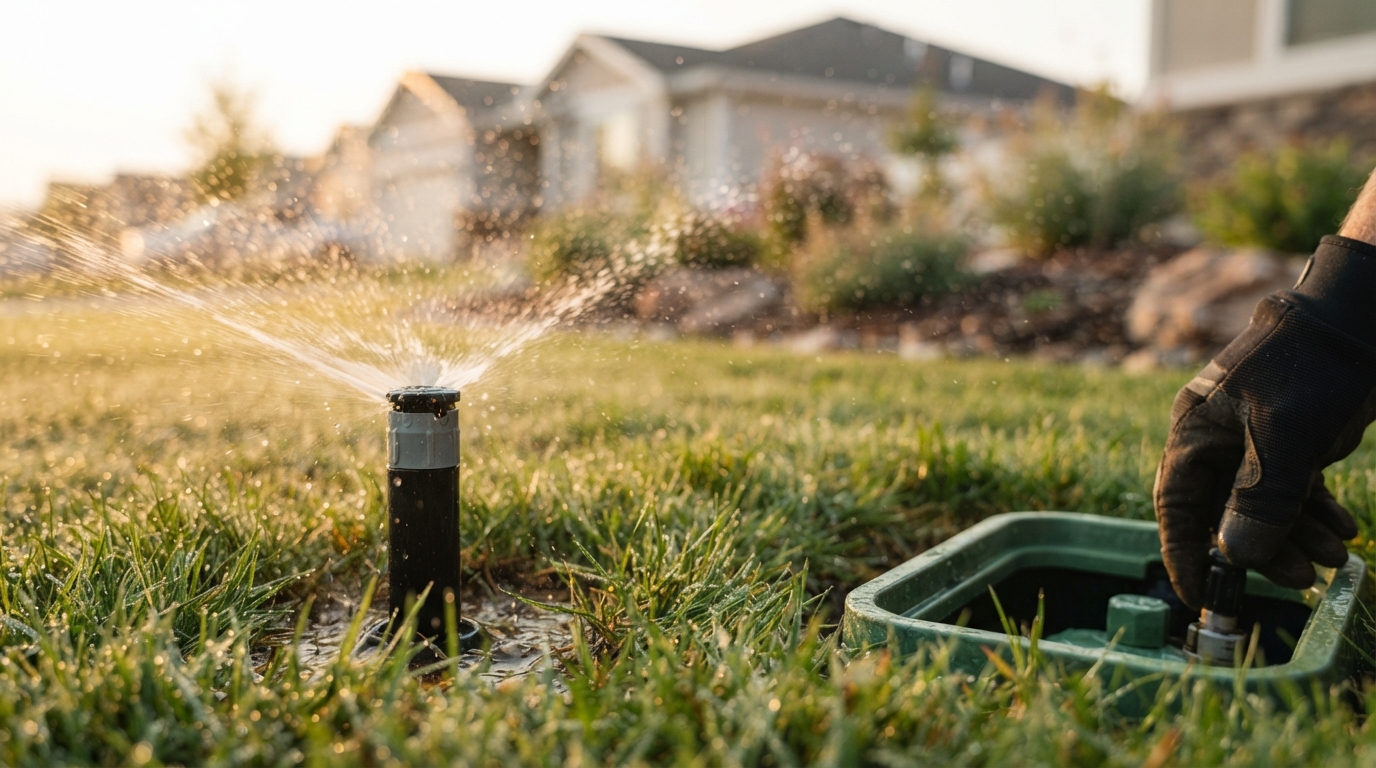
• Broken or clogged heads: Freeze damage or lawn equipment often cracks heads, leading to weak or uneven spray patterns.
• Valve leaks: Debris or worn seals inside control valves can cause water to seep even when the system is off.
• Low water pressure: Clogged filters, line breaks, or municipal supply fluctuations reduce coverage across zones.
• Controller or wiring faults: Loose connections, power surges, or outdated timers can stop zones from activating on schedule.
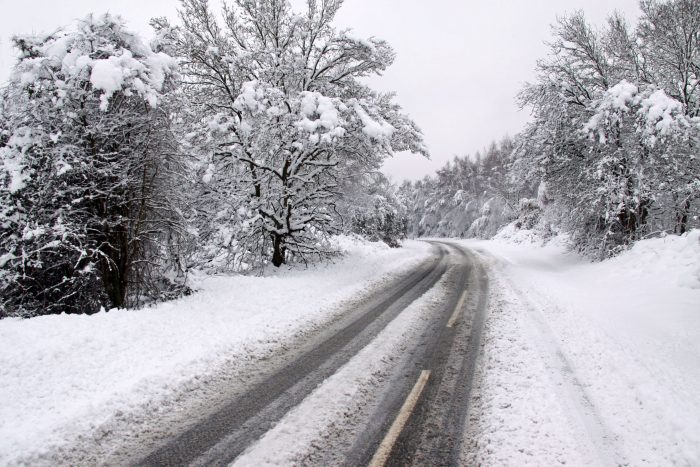
• Line breaks from freezing: Colorado’s freeze-thaw cycle is a leading cause of underground pipe cracks, particularly in systems not properly winterized.
Each of these problems tends to show up as a visible symptom, such as a soggy patch of lawn, a dry brown ring around a head, or a zone that simply will not turn on, making early diagnosis manageable for most homeowners before calling in a technician.
Seasonal Maintenance That Prevents Bigger Repairs
Colorado’s semi-arid climate and wide temperature swings make seasonal upkeep more than a cosmetic routine. The Colorado State University Extension notes that efficient irrigation scheduling and system upkeep are central to water conservation efforts statewide, reflecting how closely sprinkler performance is tied to both plant health and resource use. A seasonal approach generally includes three checkpoints:
1. Spring startup: Flushing lines, checking for winter cracks, and testing each zone before growth season begins.
2. Mid-season audit: Inspecting head alignment, adjusting spray patterns for growth changes, and confirming even pressure across zones.
3. Fall winterization: Draining lines and blowing out water with compressed air to prevent freeze damage over winter.
Skipping any of these steps increases the odds of a mid-season breakdown, often during the hottest stretch of summer when turf is least able to tolerate a dry spell.
DIY Fixes vs. Professional Repair
Some sprinkler issues are simple enough for a homeowner with basic tools to resolve, while others require specialized diagnostic equipment or valve access that is best left to a trained technician.
| Issue | DIY Feasibility | When to Call a Professional |
| Clogged or cracked head | Easy, replace with matching model | Rarely needed unless lateral line is damaged |
| Valve leak | Moderate, requires disassembly | When leak persists after cleaning or seal replacement |
| Controller malfunction | Moderate, check wiring and settings | When wiring faults or electrical shorts are suspected |
| Underground line break | Difficult, requires excavation | Almost always, due to depth and pipe-locating needs |
This breakdown reflects general industry practice for irrigation troubleshooting rather than a guarantee of outcome, since soil conditions, system age, and installation quality all affect repair complexity.
Choosing a Local Repair Approach
Systems installed with Denver’s climate in mind tend to hold up better over time, which is why many homeowners pair repairs with a broader look at system design. Mile High Sprinkler and Landscaping lists sprinkler installation and repair services on its Google Business Profile, covering diagnostic work and system corrections for residential irrigation setups. Choosing a provider familiar with local soil and freeze patterns can reduce the chance of repeat issues tied to the same underlying cause.
Sprinkler issues rarely fix themselves, and in a climate as variable as Denver’s, delaying repairs tends to compound both water waste and lawn stress. Reviewing symptoms against the common causes outlined here gives homeowners a practical starting point, whether the next step is a simple head replacement or a full system evaluation.
Frequently Asked Questions
What causes a sprinkler zone to stop working completely? A dead zone is often linked to a faulty valve, a wiring break between the controller and the valve, or a solenoid failure, each of which prevents the zone from receiving the signal to open.
How often should a Denver sprinkler system be inspected? Most systems benefit from at least two checks per year, one at spring startup and one before the first fall freeze, with an optional mid-season audit for heavy-use lawns.
Can clay soil really damage sprinkler lines? Yes, clay soil expands significantly when wet and contracts when dry, and that movement places ongoing stress on buried pipe joints and fittings.
Is it normal for water pressure to drop mid-season? A gradual pressure drop can indicate a clogged filter, a partial line blockage, or a growing leak, so it is worth investigating rather than assuming it will resolve on its own.
Addressing sprinkler problems as they appear, rather than waiting for a full system failure, keeps repair costs lower and protects turf during Denver’s demanding growing season. Homeowners who track symptoms like uneven spray, pooling water, or unresponsive zones are better equipped to describe the issue clearly, whether they attempt a fix themselves or bring in a professional. For residential service needs, Mile High Sprinkler and Landscaping offers irrigation installation and repair work suited to the region’s soil and climate conditions.